
Ohio has a bed bug problem that is genuinely worse than the national average, and it has for about fifteen years. Cleveland, Columbus, Cincinnati, Dayton, Toledo, and Youngstown all turn up in the annual national bed bug city rankings with a consistency that is not coincidence, and several of them place in the top tier year after year. If you are in the Miami Valley and you have found bed bugs, the useful thing to know first is that you have not done anything unusual or unclean. You are in one of the most bed-bug-dense regions of the country.
This page covers the Ohio-specific part: why the state ranks the way it does, how they actually move around here, what the calendar looks like, and what renting in Ohio means for who handles it. For the biology and behavior questions, the rest of the library covers those in depth, and if you have an appointment coming up the preparation checklist is the page you want.
Ohio ranks high for reasons that fall hardest on renters. Bed bug treatment in Dayton is built around that reality.
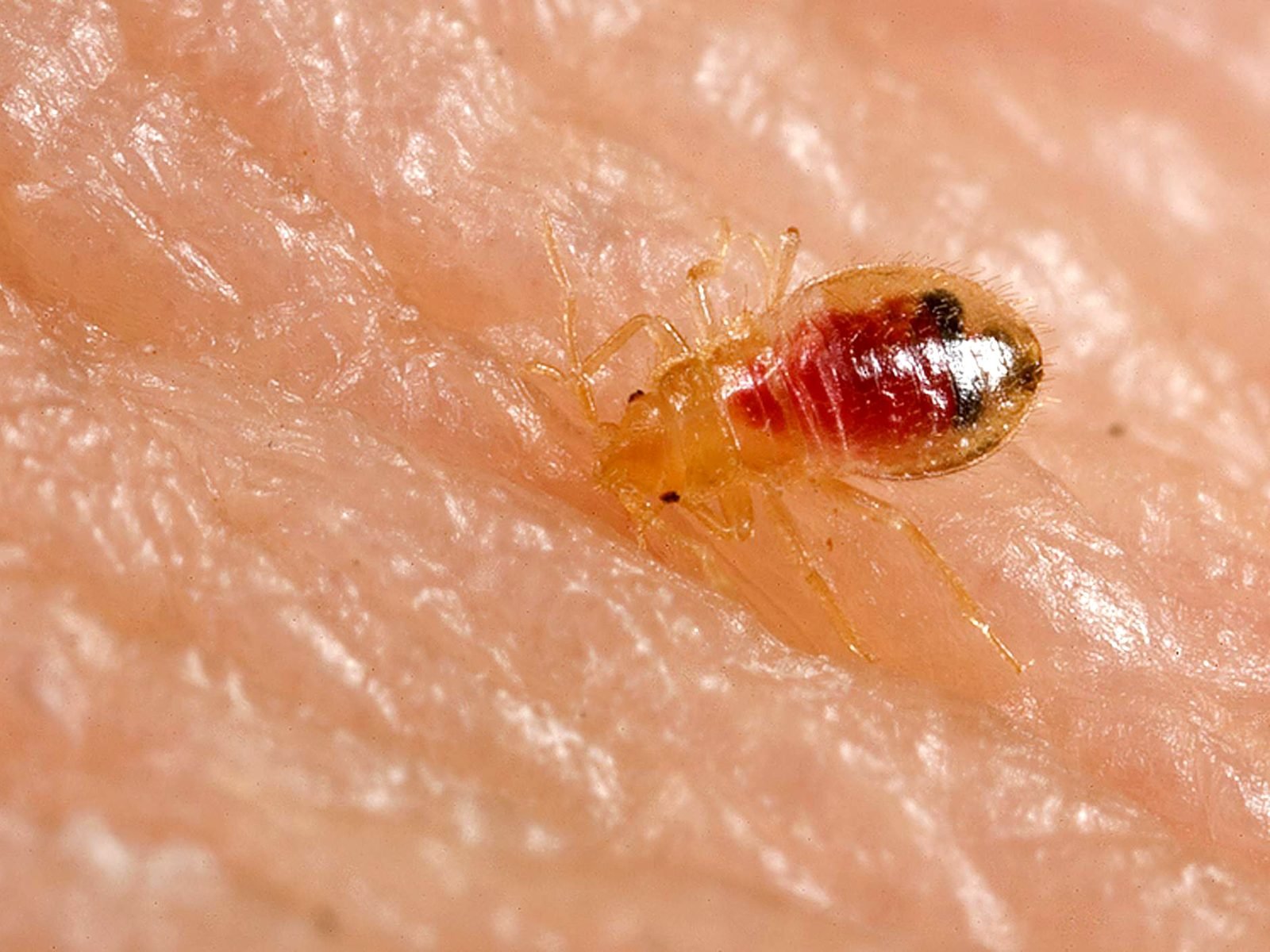
Why Ohio ranks so high
There is no single cause, which is part of why the ranking has been so stubborn. The largest factor is housing stock. Ohio has an unusually high proportion of older multifamily buildings, and older multifamily is the hardest environment in which to eliminate bed bugs, because units share walls, plumbing chases, and electrical runs, and bed bugs travel all three. A single untreated unit in a twelve-unit building reseeds its neighbors indefinitely, which means the building, not the apartment, is the real unit of treatment. That is expensive and coordination-heavy, and it frequently does not happen.
The second factor is turnover. Ohio has high residential mobility in its rental markets, and moving is the single most efficient way to transport bed bugs. Every lease change is an opportunity for an infestation to relocate, often with furniture that sat on a curb for an afternoon in between. Add a dense network of university housing across the state, with two full population exchanges a year, and you have a system almost designed for redistribution.
Third is geography. Ohio sits on major interstate corridors with heavy freight and travel through Columbus, Cincinnati, Cleveland, and Dayton, and bed bugs are fundamentally a hitchhiking insect. Volume of movement correlates with bed bug prevalence more reliably than climate does, which is exactly why the northern industrial Midwest ranks above much of the warm South.
The Dayton picture specifically
What we see across the Miami Valley matches the state pattern with local texture. The older rental stock in Dayton proper, particularly divided single-family houses and small multifamily buildings, produces the most persistent cases, because those buildings often have no coordinated pest management and the units communicate through shared voids. When we treat one unit in that kind of building and the neighboring unit is untreated, everyone involved understands the ceiling on the outcome.
Owner-occupied single-family homes in Kettering, Centerville, Beavercreek, Springboro, and the surrounding townships are a different case entirely and generally a much better one. A detached house has no neighbors sharing its walls, which means treatment has a defined boundary and a job that is finished stays finished. The great majority of single-family bed bug work we do resolves in two visits, and the household is dealing with a discrete event rather than an ongoing exposure.
The two settings that need naming separately are senior housing and student housing. In senior housing, reporting is often delayed because residents may not react visibly to bites and may be reluctant to report, so infestations are frequently well established by discovery. In student housing, the churn every August and May moves bed bugs around the region efficiently, and secondhand furniture culture accelerates it. Neither is a moral failing; both are structural.
Is there a bed bug season in Ohio?
Sort of, and not for the reason people assume. Bed bugs live indoors in climate-controlled space year round, so Ohio winters do not touch them. What is seasonal is human behavior. Summer is peak travel and peak moving, and both are transport mechanisms, so introductions cluster from roughly May through September with a secondary spike around university move-in and move-out.
There is a real biological component too. Bed bugs develop faster in warmth, and a population introduced in June in a warm apartment reaches detectable numbers considerably sooner than the same introduction in January. That does not mean winter introductions are rarer; it means they are quieter for longer, which is why a January discovery often turns out on inspection to be an October arrival.
The practical takeaway for Ohio households is that the summer months deserve more vigilance after travel and after any furniture acquisition, and that a winter discovery should never be read as a recent one. Assume it has had time.
How they actually get into Ohio homes
In rough order of how often we trace it: travel, including hotels but also stays with family and friends; secondhand furniture, particularly upholstered pieces and anything with a frame; moving into a previously infested unit, where the household inherited the problem and had nothing to do with causing it; spread from an adjoining unit in multifamily housing; and visitors or caregivers who carry them in on bags or clothing. Purchased new furniture is an occasional source, usually through delivery trucks that also handle removals.
The curb furniture route deserves a specific warning because it is so common here and so avoidable. A couch on a Dayton curb in August is on the curb for a reason, and the reason is frequently bed bugs. The same applies to mattresses, box springs, upholstered chairs, and wooden dressers, which harbor them in joints and drawer runners just as effectively as fabric does. If you are furnishing on a budget, hard-surface items you can fully inspect and wipe down are a far safer category than anything with a seam.
What almost never causes them is cleanliness. Bed bugs feed on blood, not crumbs, and a spotless home offers them exactly what a cluttered one does: a person who sleeps in a predictable place. Clutter makes treatment harder, which is a real and different problem, but it does not attract them. The persistent belief otherwise is the main reason people delay reporting, and delay is what turns a two-visit job into a building-wide one.
Renting in Ohio: who is responsible
Ohio has no bed-bug-specific statewide statute. What applies instead is the general duty in the Ohio landlord-tenant act for a landlord to keep the premises fit and habitable and to comply with applicable housing, health, and safety codes, together with whatever the local housing code says, and local practice varies quite a bit between jurisdictions. Some Ohio cities have adopted more specific bed bug provisions or enforcement practices than others.
In practice, most disputes turn on two questions: whether the infestation predated the tenancy, and whether each side cooperated. Tenants are generally expected to report promptly and to complete the preparation the treatment requires; landlords are generally expected to engage a licensed professional and to treat adjoining units where the building requires it. Refusal on either side tends to be what actually decides a case, more than the original source does.
This is general information and not legal advice, and we are a pest control company rather than a law firm. If you are in a dispute, your local housing or health department is the right first call, and a tenant-landlord attorney is the right second one. What we can tell you is the technical truth, which is that treating one unit in a building where adjoining units are infested has a predictable outcome, and documenting that in writing early tends to help everyone.
For property managers and owners running multiple doors in the Miami Valley, we handle building-wide coordination as a matter of course, and our property manager program exists precisely because unit-by-unit treatment in shared-wall housing does not work.
What actually works in an Ohio home
The short version: a licensed professional, a defined protocol including a scheduled follow-up timed to the egg hatch, encasements, interceptors, and preparation done properly before the first visit. Nothing on that list is optional and none of it is exotic. The reason bed bug jobs fail here is almost never the product; it is an unprepared home, a skipped follow-up, or an untreated neighboring unit.
The things that reliably do not work are worth naming because Ohio households spend real money on them every year. Retail foggers and bug bombs scatter the population into wall voids and adjoining units and make the professional job substantially harder. Rubbing alcohol, bleach, and Lysol kill individual bugs on direct contact and reach essentially none of the harborage, and alcohol in particular has started house fires. Discarding the mattress usually spreads bugs through the hallway and leaves the rest of the population untouched. Moving to the couch relocates the infestation to the couch.
If you are in a single-family home in the Miami Valley, the realistic expectation is two visits about ten to fourteen days apart and a resolved problem. If you are in an apartment with shared walls, the realistic expectation depends on whether the building gets treated, and anyone who tells you otherwise is selling something. We would rather set that expectation at the inspection than collect for a job that cannot succeed.
Frequently asked questions about bed bugs in Ohio
Does Ohio have a bad bed bug problem?
Yes, measurably worse than the national average. Cleveland, Columbus, Cincinnati, Dayton, Toledo, and Youngstown all appear in the annual national bed bug city rankings with unusual consistency, and several place in the top tier year after year. The drivers are older multifamily housing stock, high rental turnover, dense university populations, and heavy interstate travel through the state.
Why is Ohio worse than warmer states?
Because bed bug prevalence tracks human movement and housing type far more closely than it tracks climate. Bed bugs live indoors in heated space year round, so Ohio winters are irrelevant to them. What matters is the density of older shared-wall housing and the volume of people and furniture moving through, and Ohio has a great deal of both.
Are bed bugs seasonal in Ohio?
Introductions cluster from roughly May through September because that is peak travel and moving season, with a secondary spike around university move-in and move-out. The bugs themselves are not seasonal. A population introduced in summer also grows faster in the warmth, which means a winter discovery is often an autumn arrival that stayed quiet longer.
Who is responsible for bed bugs in an Ohio rental?
Ohio has no bed-bug-specific statewide statute. The landlord’s general duty to keep the premises fit and habitable and to comply with housing and health codes applies, along with local ordinances that vary by city. In practice disputes usually turn on whether the infestation predated the tenancy and whether both sides cooperated with treatment and preparation. This is general information, not legal advice; your local housing or health department is the right first call.
Can my landlord make me pay for bed bug treatment in Ohio?
It depends on the lease, the local code, and the facts of how the infestation started, and it is genuinely a legal question rather than a pest control one. What we can say technically is that treating a single unit while adjoining units remain infested has a predictable and poor outcome, so building-wide treatment is usually the cheaper path for an owner even when unit-level charging is permitted.
Do bed bugs mean my house is dirty?
No. Bed bugs feed on blood, not food debris, and a spotless home offers them the same thing a cluttered one does: a person sleeping in a predictable place. Clutter makes treatment harder because it multiplies hiding places, but it does not attract them. The belief that infestations signal poor housekeeping is the main reason people delay reporting, and delay is what turns a small job into a large one.
Where do most Ohio bed bug infestations come from?
Travel is the most common traced source, including stays with family rather than just hotels. After that: secondhand and curbside furniture, moving into a unit that was already infested, spread from an adjoining apartment, and visitors or caregivers carrying them in on bags. A couch on a curb in August is on the curb for a reason often enough to be worth avoiding entirely.
How many treatments does a bed bug job take in Dayton?
In a single-family home, usually two: the initial treatment and a follow-up ten to fourteen days later timed to catch the egg hatch. Heavier or long-established infestations take three or occasionally four. In shared-wall apartment housing the number depends less on your unit than on whether the building is treated as a whole.
Do bed bugs die in an Ohio winter?
Not indoors, which is where they live. Heated homes stay well within their comfortable range all winter, and they continue feeding and breeding through it. Freezing does kill them, but it requires sustained subzero exposure of items over several days, which is not something an Ohio winter reliably does to the inside of a house or a garage.
Should I throw away my mattress if I have bed bugs in Ohio?
Almost never. The population is never confined to the mattress, carrying it out seeds the hallway and stairwell, and a replacement delivered into an untreated room is infested within weeks. A quality encasement costs a fraction of a mattress and does considerably more. If something truly must go, have it treated and wrapped before it leaves the room.