
There is a bed in Vandalia’s pest ecology that almost nobody thinks about: the sleeper cab. Hundreds of them move through this town every day — parked overnight at the truck stops off the I-75/I-70 interchange, staged in warehouse yards, idling at the fuel islands along Route 40. A sleeper cab is a bedroom that visits forty cities a month, and that makes it the most efficient bed bug vehicle ever engineered. Understanding bed bug treatment in Vandalia means starting from that fact: this is an interchange town, and interchange towns run bed bug exposure through routes most cities never see — the cab, the crew hotel, the driver’s own house at the end of the week.
The Interchange Routes
Bed bugs do not fly, jump, or wander in from the yard. They ride. In most towns the riding happens through travel luggage and secondhand furniture, and Vandalia has those files too — but the interchange adds three of its own. The first is the cab-to-home route: a driver based here sleeps in the cab all week, and anything the cab picked up at a distribution-center bunkhouse in another state comes home Friday in the duffel. The second is the hospitality loop: the hotels clustered around the interchange turn rooms at highway volume, and highway-volume turnover is the industry’s hardest bed bug assignment — even well-run properties intercept introductions weekly. The third is the crew-quarters file: staffing-agency housing and extended-stay arrangements serving the warehouse corridor concentrate rotating workforces the same way, and rotating beds are the species’ favorite infrastructure.
None of this is cause for alarm about staying or living in Vandalia — it is cause for precision. Exposure routes this specific can be watched: the duffel that lives in a cab gets the hot-dryer protocol on arrival, the hotel room gets the sixty-second check before the suitcase crosses the threshold, and the extended-stay operator gets a standing inspection cadence instead of a panicked call after a review goes up.
Reading the Evidence
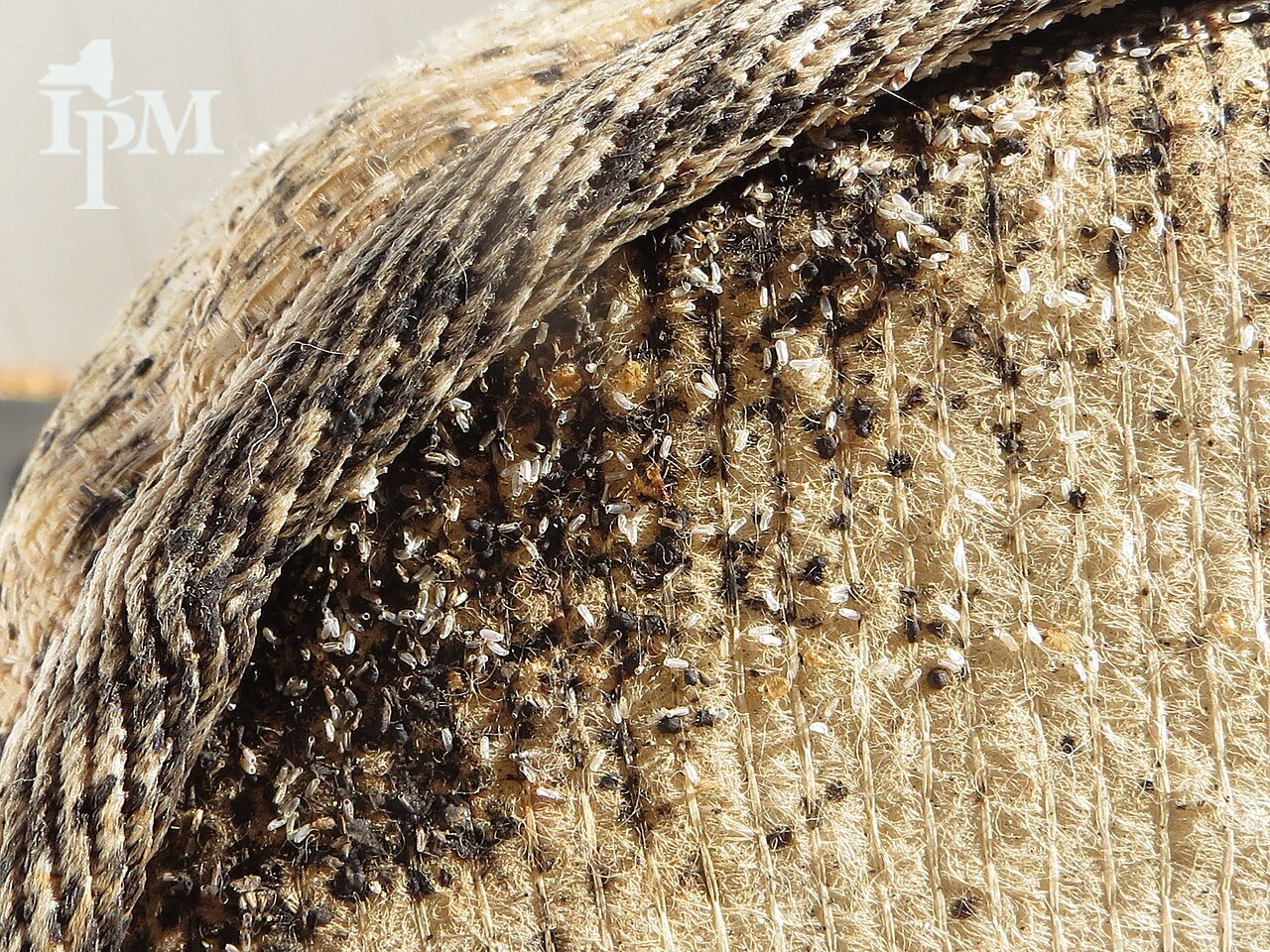
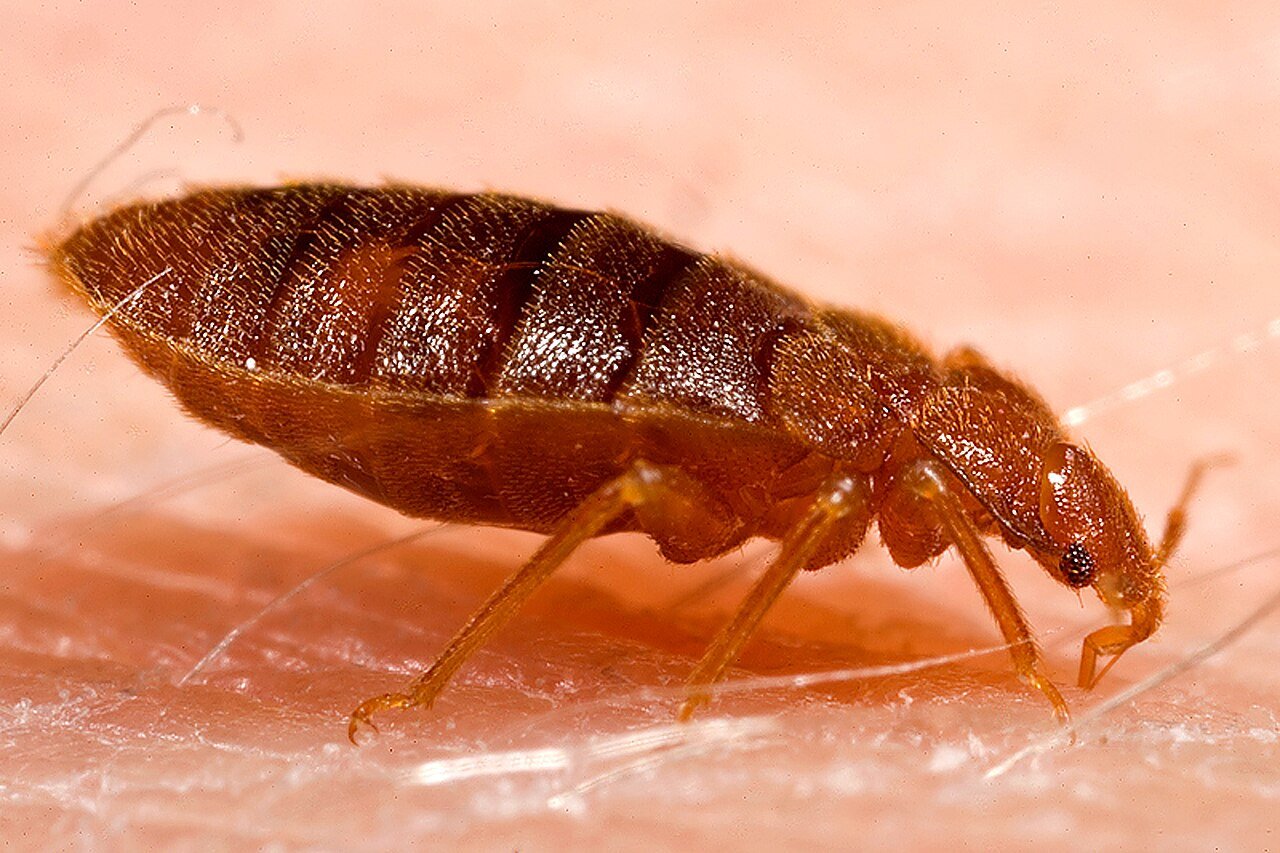
The confirmation signs are the same here as everywhere — rust-brown fecal spotting on seams and box-spring corners, shed skins in mattress piping, live insects the size of an apple seed in the crevice zone within a few feet of where someone sleeps. What the interchange changes is the interview. When we inspect a Vandalia house, we ask about the driving schedule, the recent hotel stays, the secondhand mattress — because matching the infestation to its route tells us whether we’re treating a fresh introduction of a few insects or an established population with egg generations banked, and those are different jobs.
How Treatment Actually Works
We treat bed bugs as a course, not a visit — an initial full-protocol treatment followed by scheduled re-inspection and retreatment timed to the egg cycle, because no single pass kills eggs laid the morning before it. The protocol covers the sleeping zones fully: mattress and box-spring encasement counsel, crevice-line treatment through the bed frame, baseboard, and outlet-plate zone, and furniture the interview flags. What we do not do is fog. Total-release foggers are the single most counterproductive consumer move in the bed bug file — the repellent drive scatters the population into walls and adjacent rooms and turns a one-room job into a whole-floor job. The neighbors who fogged first call us second, and the job costs more than it had to.
- Confirm first: free photo ID and a physical inspection — carpet beetle larvae and bat bugs run bed bug impersonations constantly
- Full-course treatment: initial protocol plus egg-cycle retreatment, priced as one job with the guarantee built in
- Encasement + interception: mattress encasements and monitor cups under bed legs turn the bed itself into the detection system
- Route counsel: the cab protocol, the hotel check, the secondhand-furniture rule — prevention matched to how this town actually gets exposed
The Commercial File
For the interchange’s hotels and extended-stay properties, the program is standing rather than reactive: scheduled room inspections on a rotation, staff training on the housekeeping tells, monitor placement in the highest-turnover rooms, and a documented response protocol that turns a guest report into a contained single-room event instead of a floor closure. The economics are lopsided in prevention’s favor — one public review naming bed bugs costs more than a year of inspection cadence. For warehouse operators running crew accommodations, the same logic applies at bunk scale, and the service slots into the calendar the roach and rodent programs already keep.
Straight Answers, Local Numbers
Bed bug work rewards honesty more than any other service line, so: infestations here skew early-stage and single-room, because the interchange routes deliver small introductions often rather than large ones rarely — caught inside the first month, treatment is contained and the success rate is excellent. The disasters are always the waited-six-months cases. If something is biting at night in a Vandalia bedroom, send the photo today, get the free verdict, and know what you’re dealing with by dinner. The full local picture lives on our Vandalia service page.
Settle It Tonight
One call or one photo starts it: free identification, straight confirmation, and a treatment course with the retreatment built in — not sold to you later. Drivers, hoteliers, households: the interchange’s bed bug file is beatable when it’s caught early.
Frequently asked questions
How do bed bugs get into Vandalia homes?
They ride — luggage, secondhand furniture, and this town’s specific additions: the sleeper-cab-to-home route for interchange-based drivers and the highway-hotel loop. They do not come from yards, filth, or neighbors’ walls in detached housing.
I drive OTR and sleep in my cab — what should I do?
Run the arrival protocol: the week’s soft goods go straight into a hot dryer for 30 minutes before anything else unpacks, and the duffel stays in the garage. Periodic cab inspections (mattress seams, bunk frame crevices) catch introductions before they establish — we can do them.
What do bed bug bites look like, and do bites prove I have them?
Bites alone prove nothing — reactions vary wildly and fleas, mites, and imagination all bite similarly. Confirmation is physical evidence: fecal spotting on seams, shed skins, or a live insect. Send the photo; the ID is free.
Can one bed bug turn into an infestation?
One fertilized female can, laying several eggs a day — which is why the small-introduction-caught-early case is the one to play for. Early Vandalia cases are typically single-room and fully containable.
Why shouldn’t I just use a fogger?
Foggers scatter bed bugs into walls and adjacent rooms — the repellent effect converts a contained job into a building-wide one. It is the most expensive “cheap” move in this file.
Does the treatment kill the eggs?
No product reliably kills all eggs in place, which is why the course includes a scheduled retreatment timed to the hatch cycle — priced in from the start, not sold later when survivors appear.
Do I have to throw away my mattress?
Almost never — encasement traps anything inside to die and turns the mattress into a monitorable surface. Discarding beds usually spreads insects down the hallway on the way out and buys a new bed for the survivors to colonize.
What does bed bug treatment cost in Vandalia?
Quoted per job after inspection because room count and stage drive the work — but always as a full course with retreatment included, and always after free confirmation that bed bugs are actually the problem.