
The question arrives in two costumes. Sometimes it is strategy: “If we move out for a month, will they starve?” Sometimes it is dread: “We bought a couch that sat in a garage all winter — are we safe?” Either way, the answer decides real decisions, so here it is without padding: under normal household conditions, adult bed bugs routinely survive two to six months without feeding, and in cool conditions can stretch toward a year; nymphs last weeks to a few months; and no vacancy plan a family can actually live with will starve an infestation out. The long version below covers where the famous “18 months” number comes from (and why it half-applies), what temperature does to the clock, the starvation math by life stage, and the handful of situations — moves, storage, secondhand furniture — where the survival timeline genuinely changes what you should do.
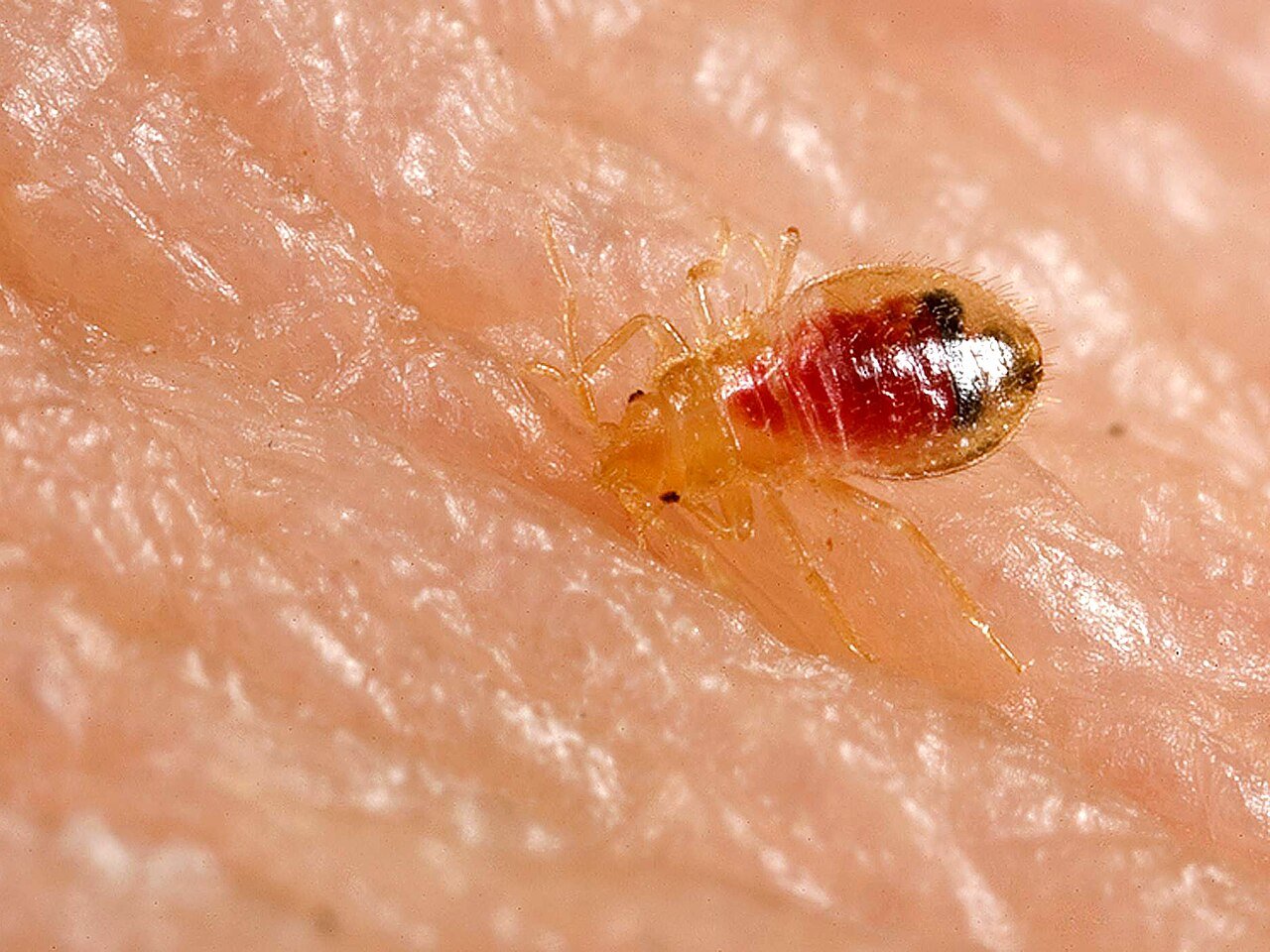
The starvation clock, stage by stage
- Eggs: not on the clock at all — they need no food, hatch in 6–10 days regardless, and convert into hungry first-stage nymphs (the egg guide)
- First-stage nymphs: the fragile ones — days to a few weeks unfed at room temperature; many die waiting if hosts vanish right after a hatch
- Later nymphs: tougher with each molt — several weeks to a few months, and they cannot molt onward without a blood meal, so vacancy freezes their development
- Adults: the marathoners — two to six months is routine at household temperatures; laboratory and cool-condition records run twelve months and beyond
- The population as a whole: plan around the toughest member, not the average — a starving infestation is a shrinking one, but “shrinking” and “gone” are separated by months of margin
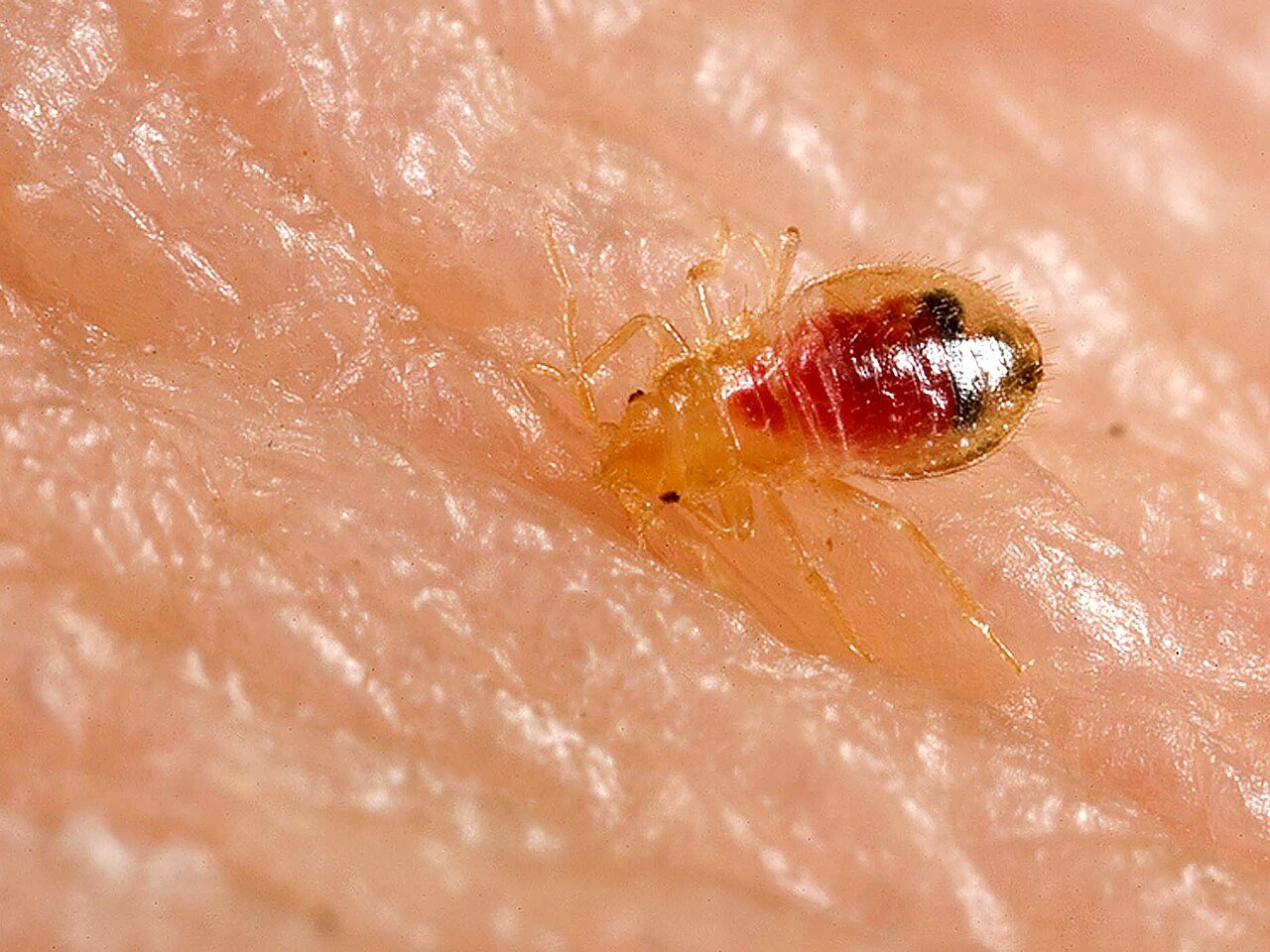
Where the “18 months” legend comes from
The internet’s scariest bed bug number traces to early twentieth-century laboratory work — classic entomology studies that starved bed bugs at cellar temperatures in the 40s and 50s Fahrenheit and watched hardy adults idle over a year, occasionally beyond 500 days. The number is real science and misleading guidance at once: metabolic rate is the whole story, and a bug in a 45°F cellar burns fuel at a fraction of the rate of one behind your headboard at 72°F. Modern studies with modern (insecticide-resistant) strains at room temperature find markedly shorter survival — typically two to four months for adults — partly because resistance itself carries metabolic costs. So both facts deserve shelf space: in your heated bedroom, the realistic adult window is months, not years; in your unheated storage unit, barn, or attic-in-winter, the old cellar numbers wake back up. Cool storage is bed bug cryosleep — remember that when the moving truck enters the plan.
They outlast an empty room by months, so waiting them out is not a plan. Ending it takes bed bug treatment in Dayton.
Why they are built for famine
Everything about the animal is engineered around intermittent feeding. A bed bug’s flattened body is an expandable fuel tank — one full blood meal can multiply its weight and sustain weeks of quiet digestion in a harborage crack. Between meals it does almost nothing: no nest-building, no wandering patrols, no energy spent except a nightly sniff for carbon dioxide and warmth. Deprived entirely, it downshifts further into a torpor that stretches reserves — less movement, slower everything, a creature pausing itself like held breath. And the biology has one more famine adaptation that matters to your planning: unfed bugs do not simply wait where they are. Hungry bed bugs range farther — out of the abandoned bedroom, along baseboards and wall voids, toward whatever warm-blooded chemistry the building still offers, which in a multifamily building means the neighbors and in a house means the one room you retreated to. Starvation pressure is dispersal pressure; an infestation you try to out-wait is an infestation you are actively spreading.
The vacate-and-starve plan, run against the math
Now the strategy question gets its honest audit. To beat the adults’ starvation window in a heated Ohio home you would need the dwelling host-free — no residents, no pets, no nightly visits to grab the mail — for six months minimum to be confident, and the practical failures pile up before the calendar does: the house cannot be heated normally and then casually visited (each visit feeds no one but re-arms your clothing as transport); cool seasons stretch the clock toward the old laboratory numbers exactly when Ohio houses are coolest; and the dispersal effect above means month two’s bugs are ranging into every adjacent unit or storage box while you wait. Meanwhile the same six months of carrying a vacant mortgage or double rent costs multiples of the professional treatment that ends the story in weeks. Verdict: vacancy is not a treatment anywhere people actually live. Its one legitimate cousin is item quarantine — sealing individual belongings away long enough to be certain — and that has real rules, next.
Quarantine that actually works: the storage rules
- Sealed is the whole game: quarantine only counts in airtight bags or bins — an open box in the garage is a bus stop, not a quarantine
- Warm storage, shorter clock: in heated space, five to six months sealed covers the realistic adult window with margin
- Cool storage, long clock: unheated units and barns preserve bugs beautifully — treat cool-stored items as suspect for a year, or shortcut the wait entirely
- The shortcuts beat the calendar: 30+ minutes tumbling in a high dryer, a 0°F chest freezer for four days, or a verified 122°F heat session clears items in hours-to-days instead of months (the temperature guide has every number)
- Label the dates: the future you unpacking in November will not remember what was bagged in June — masking tape and a marker turn the timeline into a fact instead of a feeling
The scenarios the timeline actually decides
The vacant house you are buying or renting
“It sat empty for four months — surely anything died.” Run the math: four months at partial heat is inside the adult survival window with room to spare, and a winter vacancy at low thermostat settings is practically a preservation program. Vacancy history is weak evidence, not clearance. The real clearance is an inspection — ours are free, and interceptors placed for two weeks in a doubtful dwelling settle the question with data before the furniture truck arrives. Landlords turning over a unit after an infested tenancy should treat, not wait, for exactly this reason; the “rest the unit a few weeks” folk remedy hands the next tenant a hungry, motivated welcoming committee.
The storage-unit couch and the curb find
The secondhand timeline question in its purest form. A couch from a heated showroom with a clean inspection is one risk class; a couch from six months in cool storage is another entirely — cool storage preserves, and upholstered furniture is the single highest-risk category of object that enters homes. The discipline: daylight inspection of every seam and the frame underside before it crosses your threshold, quarantine-or-heat where any doubt survives, and for box springs and upholstered pieces with unknown history, the courage to leave them where they sit. The egg guide’s furniture section covers the inspection stroke by stroke.
The suitcase that sat, the dorm move, the winter cabin
Small-object timelines follow the same physics. Luggage stored since last summer’s trip: anything aboard has had months, and cool-attic storage extends benefit of the doubt in the wrong direction — run contents through the dryer ritual before the next trip, not after. Dorm and sublet moves with months in transit storage: sealed bins beat open boxes, and the unpack-day dryer pass costs nothing. The family cabin closed all winter: cold enough to preserve, never reliably cold enough to kill (Ohio’s freeze-thaw does not deliver 0°F for four sustained days) — open-season habits should include a bedding hot-wash and a seam check, particularly if any guest history includes a bed bug story.
Survival questions we hear
Can they live outside — in the yard, the curb pile, the car?
Bed bugs have no outdoor life stage and no interest in one: no host warmth, no harborage architecture, exposure to predators and weather. Outdoors they survive only as stranded passengers — alive in the curbside couch for weeks-to-months (which is why the couch should be slashed or marked before the curb, sparing the next family the “free find”), alive in a parked car’s upholstery on the same indoor-ish clock (cars are neither hot enough nor cold enough, reliably, to self-clear in Ohio — treat a suspect vehicle’s fabrics with the same steam-and-inspect discipline as a bedroom). They do not colonize lawns, do not live in trees, and do not march to your door from the neighbor’s curb; they ride. Everything about outdoor risk is about objects.
How long can they live ON me — do they stay on people like lice?
They do not live on hosts at all — a feeding visit lasts five to ten minutes and ends with retreat to the harborage; between meals they are furniture-dwellers, not passengers. This is why person-to-person spread in the lice sense is rare, why your workplace handshake carries essentially no risk, and why the transmission story is luggage, furniture, and sleeping spaces rather than people (the spread guide maps it). The corollary: you cannot starve them by sleeping elsewhere in the same dwelling — they find the new room, or they wait; they are better at both than any family’s patience.
How often do they NEED to feed, when a host is available?
Given the buffet, a bed bug feeds every three to seven days, digesting in hiding between meals — which surprises people who imagine nightly attacks. It means bite-free stretches of a week prove nothing by themselves, and it means population growth is gated by warmth and access, not appetite: at summer room temperatures with nightly hosts, the egg-to-laying-adult cycle runs about five weeks and compounds from there. The practical reading of all these numbers together: time is always on their side of the scoreboard — fed, they multiply; starved, they outwait; the only clocks that beat them are the ones you set deliberately with heat, cold, encasement, and treatment.
How professionals use the survival math (and how you should)
The starvation timeline is not trivia to us — it is load-bearing in three professional judgments. Encasement duration: certified mattress and box-spring encasements stay zipped for a full year, not a season, precisely because the sealed population’s toughest adults need that long to be certainly gone at any storage temperature the bedroom might swing through. Monitoring windows: post-treatment interceptors stay down for months, because a treated-but-not-eradicated population can idle quietly through a short monitoring period and resurface — the marathon metabolism cuts both ways, hiding survivors from quick victory laps. And clearance judgments on doubtful dwellings: when we pronounce a vacant unit or a quarantined load clean, the pronouncement leans on inspection plus interceptor data plus the calendar, never the calendar alone. Borrow all three habits: keep the encasements zipped past the point of boredom, leave the interceptors down after the last bite fades, and let dates-plus-evidence — not dates alone — declare your endings.
The bottom line
Bed bugs are famine athletes: months of survival at room temperature, a year within reach in the cool, eggs outside the clock entirely, and hunger that disperses them rather than defeating them. So retire the out-waiting fantasies — the empty house, the sealed bedroom, the winter garage — and use the timeline the way it can actually serve you: to quarantine belongings correctly (sealed, dated, long enough or heat-shortcut), to price secondhand and vacancy risks honestly, and to keep monitoring past the celebration. The clocks that kill are the ones you control — 122°F, 0°F, and the treatment calendar — and we run all three with a guarantee attached: (937) 569-3330, free assessment, same-week response, Greater Dayton Pest & Rodent.
The bed bug library: eggs · lethal temperatures · how they spread · home remedies, graded · professional treatment.
The moving-day protocol (where all the timelines converge)
No scenario concentrates the survival math like a move out of an infested home — done right, moving day is the infestation’s extinction event; done casually, it is a colonization voyage. The protocol: treat before packing where at all possible (moving a treated home beats racing an untreated one); pack from clean outward — launder-and-dryer clothing and linens directly into sealed bags that stay sealed until the new closets; heat-or-freeze the delicates per the storage rules above; inspect and steam furniture on the way out the door, with encased mattresses traveling in mattress bags that get discarded at arrival; and quarantine the maybes — the box of stuffed animals, the fabric headboard — sealed and dated in the new garage rather than opened optimistically in the new bedroom. At the destination, interceptors go under the beds on night one and stay for three months: cheap instrumentation, decisive answer. And the truck matters more than people think — rental trucks and moving blankets have carried more than one infestation between Dayton households; bag what touches the blankets, or bring your own. Families who run this list arrive clean, provably, and sleep accordingly. It is two extra days of discipline against six months of doubt — the best trade the survival clock ever offers.
Does starving them make treatment harder?
Meaningfully, yes — and it is one more quiet argument against the waiting strategies. Hungry bed bugs range wider (spreading the treatment footprint), respond less predictably to monitors and lures calibrated for normal behavior, and in multifamily settings export themselves next door before your vacancy math matures. Treatment lands hardest on a population behaving normally: harborage-faithful, feeding-cycled, concentrated where the evidence says. Keep sleeping in the room behind your interceptor moat, let the population stay home, and let the treatment arrive on schedule to find everyone at the address. Strange but true: between confirmation and treatment day, the most strategic thing in the bedroom is you.
The unit next door was treated — how long until I can relax?
Adjacent-unit vigilance runs a season, not a weekend. Displaced or hungry stragglers can filter through wall voids for weeks after a neighbor’s treatment, so put interceptors under your beds the day you learn of next-door work and read them for two to three months — quiet cups across that window is genuine clearance. A single early catch is not doom; it is exactly what the moat exists to intercept, and a same-week inspection at the first catch keeps a straggler a straggler. Buildings on our management programs handle this automatically with perimeter-unit monitoring around every treated unit — ask your landlord whether that is happening; it should be.
Last word, because the dread version of this question deserves a direct answer: yes, the couch that wintered in the garage could still be carrying live bugs, and no, that is not a reason to fear every object — it is a reason to own the three clocks that actually kill. Thirty dryer minutes. Four freezer days. One treatment calendar, guaranteed. Everything on this page reduces to choosing your clock instead of trusting theirs, and the free photo-and-question line is open whenever a specific couch, suitcase, or vacancy needs a specific answer: (937) 569-3330.
Frequently asked questions
How long can bed bugs live without feeding?
Adults: months — commonly two to six at room temperature, up to a year-plus in cool conditions; nymphs weeks-to-months by stage; eggs need no food at all. Every vacancy-based strategy fails on these numbers.
Will bed bugs die if I leave the house for a month?
No — a month is a comfortable fast for adults, and cooling an empty house EXTENDS survival by slowing metabolism. Returning residents reactivate the population with the first night’s CO₂; vacancy is a pause button, never a treatment.
Can bed bugs live in an empty apartment between tenants?
Routinely — the vacant-unit surprise is a classic: the previous tenant’s population waits out the vacancy and greets the movers. Pre-lease inspection of used units (seams, outlets, baseboards) is the two-minute defense.
How long do bed bugs live in a car?
Cars are survivable but hostile — temperature swings and host-scarcity mean weeks-to-months rather than the indoor maximum. Summer heat loads (a sealed car in sun) can clear them; winter cold merely slows them. Treat vehicle infestations as real but winnable with heat and vacuum discipline.
Do bed bugs die in storage units?
Slowly if at all — climate-controlled units approximate ideal survival conditions, and unconditioned ones extend it via cool dormancy. Infested items entering storage exit infested months later; the dryer-and-bag protocol belongs BEFORE the storage run.
How often do bed bugs need to feed normally?
Every five to ten days when hosts are available — but feeding is opportunity-driven, not need-driven scheduling, and any household member’s CO₂ keeps the opportunity constant. The gap between feedings is why bites arrive in episodic waves.
Does starving bed bugs make them easier to kill?
Marginally hungrier bugs respond faster to lures and CO₂ monitors — and that is the entire upside. Treatment efficacy is unchanged; the practical use of the biology is monitoring, not warfare.
Can bed bugs survive on pets if humans leave?
They will feed on pets opportunistically (dogs, cats, birds), keeping a population viable in your absence — another leak in the vacancy strategy, covered fully on our pets page. Pet bedding joins the treatment scope for exactly this reason.
How long until I can be sure bed bugs are gone?
Monitoring-based, not calendar-based: interceptor cups and encasements showing zero catches and zero new evidence across six-to-eight weeks post-treatment is the honest all-clear — a window sized to outlast every egg and straggler timeline.
What actually ends an infestation if waiting cannot?
Treatment that reaches all life stages — the protocol (both visits, egg-timed) or whole-structure heat — plus the encasement-and-interceptor containment that proves the win: (937) 569-3330. The biology of patience belongs to them; the biology of heat belongs to us.