
Most pest problems can wait a few days for a scheduled visit. Some cannot: the yellowjacket nest discovered next to the only door your mother-in-law can use, bed bugs confirmed two days before the family reunion sleeps over, a mouse sprinting across the kitchen of a house that closes on Friday, roaches surfacing in a restaurant with a health inspection on the calendar, or stings already delivered to a kid who might be allergic. For those, Greater Dayton Pest & Rodent runs emergency and priority response across the Miami Valley: same-day where the schedule and the situation demand it, next-day and same-week as the standard for everything urgent, seven cities deep on our daily routes. This page explains exactly how it works, what genuinely counts as an emergency, what we charge (spoiler: no crisis markup), and what to do in the hours before the truck arrives.
What actually counts as a pest emergency
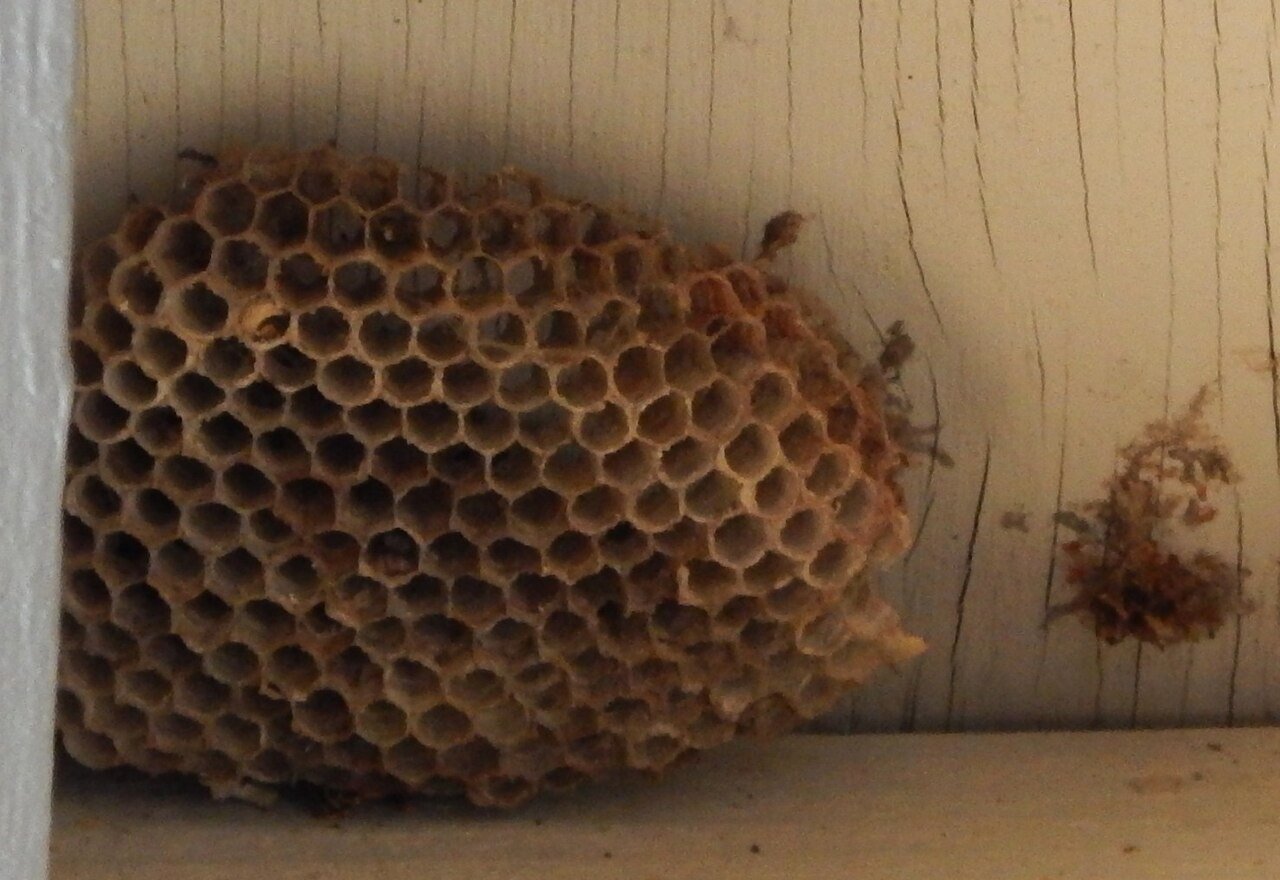
We triage every call honestly, because the fastest slot should go to the situation that needs it. The calls that jump the schedule: stinging insects controlling an entryway or play area — wasps, yellowjackets, or hornets nesting at doors, decks, swing sets, or anywhere someone with a sting allergy lives; any sting event with a reaction beyond normal (that call starts with 911 or urgent care, then us for the nest); bed bugs against a deadline — guests arriving, a move happening, a baby coming home; rodents in food areas — active mice or rats in kitchens, especially with immune-compromised residents, infants, or a home sale pending; commercial exposure — roaches, rodents, or flies in a restaurant, daycare, or healthcare setting with an inspection, audit, or franchise visit looming; and infestations discovered mid-transaction — the discovery during a home inspection that threatens a closing date. If your situation is on that list, say so when you call and it is treated accordingly.
Once the urgent part is handled, most households move onto something ongoing. That is pest control in Dayton.
Equally honest: the calls that feel like emergencies and usually are not — the lone spider (even the scary one, which is probably not a recluse), the ant trail that has been there three weeks, the wasp nest high on a third-story gable nobody approaches, citronella ant swarms, and October’s fall invader pileups. Those get real appointments fast — usually inside the week — but we will not scare-sell you an emergency premium for a situation that biology says can wait until Thursday. Knowing the difference is part of what a local company owes you.
How our priority response actually works
Call or text (937) 569-3330 — a photo with the text is worth ten minutes of description and often lets us quote from the phone. We triage on the spot: what is the pest, who is at risk, what is the deadline. Emergencies get the next available truck — same-day when the routes allow, which in our core service area (Dayton, Kettering, Oakwood, Beavercreek, Centerville, Huber Heights, and the neighborhoods between) is most weekdays, because we are based on Salem Ave and our routes already blanket the map daily. Everything urgent-but-not-burning gets locked into a next-day or same-week slot before the call ends — a commitment, not a callback promise. Saturdays exist for exactly these situations, by appointment. And the quote still comes before the work, even at speed: emergency response changes our scheduling, not our pricing discipline.
No crisis markup — and why we can afford that policy
The pest industry has an unlovely tradition of emergency surcharges — fear is elastic, and a family with yellowjackets in the wall at 4 p.m. will pay almost anything. Our policy is simpler: the price is the price of the work, quoted up front, whether you called three weeks or three hours ahead. We can hold that line because we are local — a same-day Kettering call slots into a route already in Kettering, not a franchise dispatcher’s overtime board — and because the economics of this company run on the second call and the referral, not the panic invoice. If someone quotes you triple after hours for a wasp nest, get the second opinion; it is free and it is us.
While you wait: the right first hour, by emergency
- Stinging insects at an entry: close the route, use another door, and do not plug the nest hole — sealed-in yellowjackets chew through interior drywall with remarkable speed; mark the entrance from a distance for the technician instead
- Sting reaction: emergency medicine first, always — swelling beyond the sting site, breathing changes, or dizziness is 911 territory; the nest will still be there for us after the person is safe
- Bed bugs before guests: do not bomb the room (it spreads them), do not move bedding to other rooms; bag and hot-dry the linens, keep sleeping in the room, and let us stage treatment against your date
- Mice in the kitchen: everything edible into sealed containers or the fridge tonight, dishes run hot, counters disinfected — the health exposure is the droppings-to-food-contact chain, and you can break it before we break the population
- Restaurant sighting: photograph everything, quarantine the delivery cartons it may have arrived in, brief the closing crew on sanitation overdrive, and call us before the review or the inspector arrives — our restaurant program exists for exactly this week
- Mid-transaction discovery: get us the inspection report photos immediately — a same-week treatment with documentation usually keeps the closing date, and we write reports lenders and agents accept
The emergencies we see most, and what response day one looks like
Yellowjackets and hornets in the structure
The classic August emergency: a ground nest under the porch step, a wall-void colony entering at the dryer vent, or a bald-faced hornet globe over the play set — each at peak population and peak defensiveness by late summer. Day-one response: the technician treats the nest at its entrance with the equipment and timing that make it safe (usually early morning or dusk, when the colony is home), confirms the kill window, and seals or screens the entry after activity ceases — never before. You get the “stay clear” timeline in writing and the guarantee behind the work. What we will not do is spray-and-dash a wall-void nest and leave the drywall roulette to you; interior breakthrough is exactly the failure mode experience exists to prevent.
Bed bugs on a deadline
Confirmed bugs and a date that cannot move — a wedding party arriving, a furnished unit turning over, a dorm move-in. Day-one response: inspection to stage the infestation, immediate knockdown treatment of the sleeping areas, encasements on the beds, and a written schedule that puts the follow-up inside the egg-hatch window and ahead of your deadline where biology allows. Honesty clause: bed bug elimination is a two-visit process no matter who promises otherwise — what emergency response changes is how fast visit one happens and how confidently you can plan around the timeline.
Rodents meeting real estate
Half our “emergency” rodent calls have a contract attached: the buyer’s inspector found droppings, or the sellers heard scratching the week the listing went live. Day-one response: full inspection with photos, immediate trapping and exclusion of the active entries, and the documentation package — what was found, what was done, what is scheduled — that turns an inspection-report red flag into a handled line item. Agents across the Miami Valley use us for precisely this conversion; a rodent finding managed inside a week rarely costs anyone the deal.
Commercial emergencies: the 48-hours-before-inspection call
For food service, childcare, healthcare, and lodging, a pest sighting is a business event with a countdown attached, and our commercial emergency response is built around the clock you are on. What the first visit delivers: knockdown treatment of the active problem with products and placements legal for your facility type, the sanitation-and-exclusion punch list ranked by what an inspector will actually look at, monitoring devices placed and mapped, and — the part that changes the meeting — documentation: a professional service report, dated, describing the response already underway. Inspectors and auditors distinguish sharply between “facility with a pest sighting” and “facility with a pest sighting and a professional program already engaged”; the second category passes with corrective actions noted every week of the year. From the first emergency visit, most commercial clients roll into the scheduled programs (restaurant, property management, warehouse) that make the next emergency an event that never happens.
Where and when: coverage honesty
Same-day capability is a function of geography, and ours is best where our routes are densest: Dayton proper and the first ring — Kettering, Oakwood, Trotwood, the northwest neighborhoods minutes from our Salem Ave office — then Beavercreek, Centerville, Huber Heights, Vandalia, Englewood, Miamisburg, and Fairborn, then the outer arc of Springboro, Bellbrook, Xenia, and Lebanon. Weekday calls before noon have the best same-day odds everywhere; afternoon calls usually land next-morning; Saturday emergency slots exist by appointment and go fast in wasp season. We will always tell you the real window on the phone rather than promise a truck we cannot send — and when your situation outranks our schedule (a sting allergy and an active nest, say), we have moved routes around before and will again.
Emergency questions, answered straight
Do you answer nights?
The phone takes texts around the clock and we respond starting 8 a.m.; we do not run midnight service calls, and honestly, almost no pest situation benefits from one — nest treatments work best at dawn, and nothing about 2 a.m. improves bed bug work. What the overnight text buys you is the front of the morning queue with photos already reviewed. For the rare true overnight hazard — stings with reactions, wildlife in living space — medical care and animal control are the right overnight numbers, and we take the handoff at eight.
Can you just tell me if it is an emergency from a photo?
Yes, and we do it all day: text the photo, get the triage — species, risk level, honest urgency, and a price frame — usually within the hour in business hours. It is the single most useful free service we offer and the fastest possible start to any emergency that turns out to be real.
Is same-day treatment as good as scheduled treatment?
For knockdown, identical — same products, same technician standards, same guarantee. What compresses is the preparation window on jobs that benefit from homeowner prep (bed bug laundering, kitchen clear-outs), which is why our emergency bed bug protocol pairs the immediate visit with a staged follow-up: speed where speed helps, thoroughness where biology insists. The guarantee does not know what day you called; if the problem returns between visits, the return trip is free either way.
What does emergency response cost?
The same as the work would cost scheduled — a wasp nest is a wasp nest priced by access and size, a bed bug job by rooms and staging, rodent work by scope of exclusion. No after-hours multipliers, no “urgency fees,” no mystery truck charges; the quote comes before the work even when the work is hours away. The only premium in our emergency system is paid by us, in schedule flexibility — and we consider it marketing money well spent, because the family we un-panic on a Tuesday afternoon tells the whole cul-de-sac.
The bottom line
Pest emergencies are defined by risk and deadlines, not by panic — and the right emergency company is the one that can tell the difference on the phone, show up inside the real window, and charge you like a neighbor rather than a hostage negotiator. That is the service: triage by text or call at (937) 569-3330, same-day capability across the Dayton core, next-day-to-same-week everywhere in the Miami Valley, Saturday slots for the situations that earn them, honest prices quoted first, and every job — rushed or scheduled — carrying the same re-treatment guarantee. Save the number before you need it; the day you need it, you will not want to be googling.
Emergency-adjacent reading: wasp & hornet removal · bed bug treatment · rodent control · professional wasp nest removal.
A word about the emergencies we hand off
Part of honest triage is knowing whose truck should come, and three overnight-adjacent situations route past us by design. Wildlife in living space — a bat in the bedroom (a genuine handle-with-care event: in Ohio, a bat found in a room with a sleeping person warrants a health-department conversation about rabies testing, so do not release it — contain the room and call), a raccoon in the chimney, a squirrel in the den — gets our licensed wildlife-operator partners for the removal, with us returning for the exclusion that keeps the sequel from filming. Venomous snake concerns get a reality check (the Miami Valley’s snakes are overwhelmingly harmless and beneficial) and a wildlife referral where warranted. Structural stinging emergencies at height — the hornet globe forty feet up a Hills & Dales oak — sometimes get a coordinated response with tree services. One call to us still starts all of it; you should never have to run a dispatch center from your kitchen mid-crisis, and with our number, you do not.
For the planners: how to never need this page
The unglamorous secret of our emergency log is how predictable it is: the same six situations, the same six weeks of the calendar, mostly preventable at spring prices. The April perimeter treatment is the August yellowjacket emergency, canceled. The September rodent exclusion is the November scratching-in-the-walls call, canceled. The travel habits in our bed bug spread guide are the reunion-week crisis, canceled. Emergency response will always exist here for the situations that ambush good planning — but the cheapest emergency service ever sold is the quarterly program that quietly deletes the emergencies, and we will always tell you which of the two you actually need.
We rent — can our landlord slow this down?
Tenants can always authorize inspection and quoting of their own unit, and for genuine health-risk situations — stinging insects at entries, rodents in kitchens, confirmed bed bugs — most Miami Valley landlords approve emergency response the same hour they see the photos and the quote; we make that easy by sending both directly to the owner or manager with your permission. Where a landlord drags on a true habitability issue, document everything (our written findings help) and know that Ohio landlord-tenant law puts pest habitability obligations on the owner in most rental situations. We work for hundreds of area landlords through our property-management programs, and the fastest emergency resolution in a rental is almost always the three-way conversation we broker every week: tenant reports, we verify and quote, owner approves — truck rolls the same day.
Frequently asked questions
Do you offer emergency pest control?
Priority routing, honestly framed: sting-risk situations (nest over the door, allergy household), daytime roach or multi-room rodent discoveries, and bed bug findings get scheduled fastest — typically within a day or two, sometimes same-day when the route allows. What we refuse to sell: panic pricing.
What counts as a real pest emergency?
The honest triage: anaphylaxis-risk stinging situations, wildlife inside living space (a different trade — we refer), and health-code commercial crises rank first; everything else — even dramatic discoveries — is urgent-not-emergency, because no insect infestation meaningfully worsens in 48 hours. The 2 a.m. roach is horrifying and stable.
Do you charge extra for emergency or same-day service?
No — the no-crisis-markup policy is published and permanent: urgency affects scheduling, never price. An industry that surge-prices panic taught us the counter-position; it is on this page so you can hold us to it.
What should I do at 2 a.m. while waiting for you?
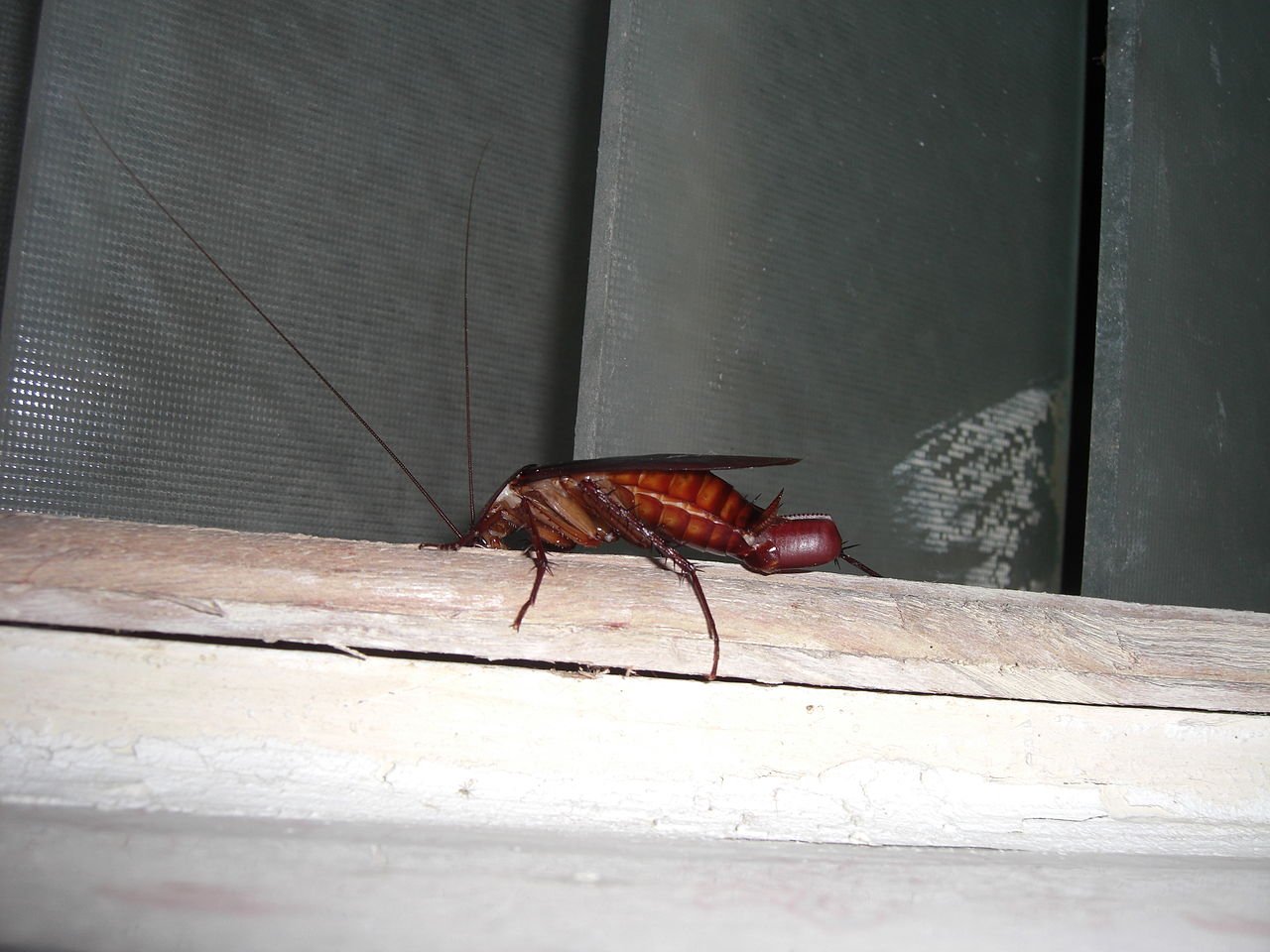
Species-dependent containment: wasps — close the room, plan the dusk call; rodents — note locations, touch nothing; bed bugs — do NOT move to the couch (you spread them), bag tonight’s clothes; roaches — skip the spray can that sabotages tomorrow’s baiting. Every guide on this site has a “tonight” section; the library is open all night.
Can you come today for a wasp nest?
Sting-risk calls lead the queue — nest-over-doorway and allergy-household situations are the definition of our priority tier, and most get same-or-next-day visits. Describe or photograph the nest when you call; arriving with the right materials the first time IS the speed.
What about mice discovered right before guests arrive?
The holiday special — we know it well: priority scheduling plus the honest reassurance that a trap line set tonight (yours or ours) does most of its work in the first 48 hours. The four-move system guide can have you functional before we arrive; the visit makes it thorough.
Is a bed bug discovery an emergency?
It feels like one and functions as urgent: same-week response matters for containment and sanity, and we schedule accordingly — but the biology moves in weeks, not hours, and panic-driven mistakes (foggers, furniture disposal, couch migration) do more damage than the delay ever could. Calm plus fast beats frantic plus tonight.
Do you handle after-hours calls?
Phones answer during business hours; messages route for next-morning priority callback with the queue position honesty deserves. For genuine overnight emergencies: containment per the guides, and — for medical situations (stings with systemic symptoms) — 911 outranks any exterminator, always.
What emergencies are NOT pest control?
The referral list, offered without a runaround: wildlife in living space (raccoons, bats, squirrels — licensed wildlife operators), venomous snake concerns (wildlife again), animal bites (medical), and structural bee colonies (beekeepers first). We keep the numbers handy and hand them over free.
How do I reach you fastest?
(937) 569-3330 — call first, text photos second; the photo triage routinely turns a “come now” panic into a “here is exactly what to do tonight, visit tomorrow at 9” plan that costs less and works better. Speed is a scheduling promise; honesty is the whole brand.