
The rodent repellent aisle is one of the most profitable strips of shelving in America, and almost none of it works. That’s not cynicism — it’s the consistent verdict of university extension testing, EPA enforcement history, and every winter we spend pulling mice out of homes fully perfumed with peppermint, plugged with ultrasonic devices, and ringed with granules. This page grades every popular rodent repellent honestly — the oils, the gadgets, the granules, the folk recipes — explains the biology of why scent-based deterrence keeps failing, names the two categories that genuinely do repel rodents, and shows where repellents fit (narrowly) inside a plan that actually ends a mouse problem.
Why Repellents Keep Losing: the Motivation Math
Every repellent bets that a bad smell outweighs what your house offers: warmth in a cold month, food, water, and safe nesting two inches from all three. That bet loses because a mouse’s cost-benefit math is brutally simple — unpleasant odor versus death by exposure or starvation outside — and because rodents are neophobic only briefly: they treat a new smell as suspicious for a day or two, then habituate completely once nothing bad follows it. This is the pattern behind every “it worked at first!” review you’ve ever read. The product didn’t work; the novelty did, and novelty has a 48-hour shelf life. Layer on that scent products fade, disperse with airflow, and never reach the wall-void highways mice actually travel, and the aisle’s track record stops being mysterious.
Nothing on the repellent shelf closes a quarter-inch gap, and the gap is the actual problem. Closing it is rodent control in Dayton.
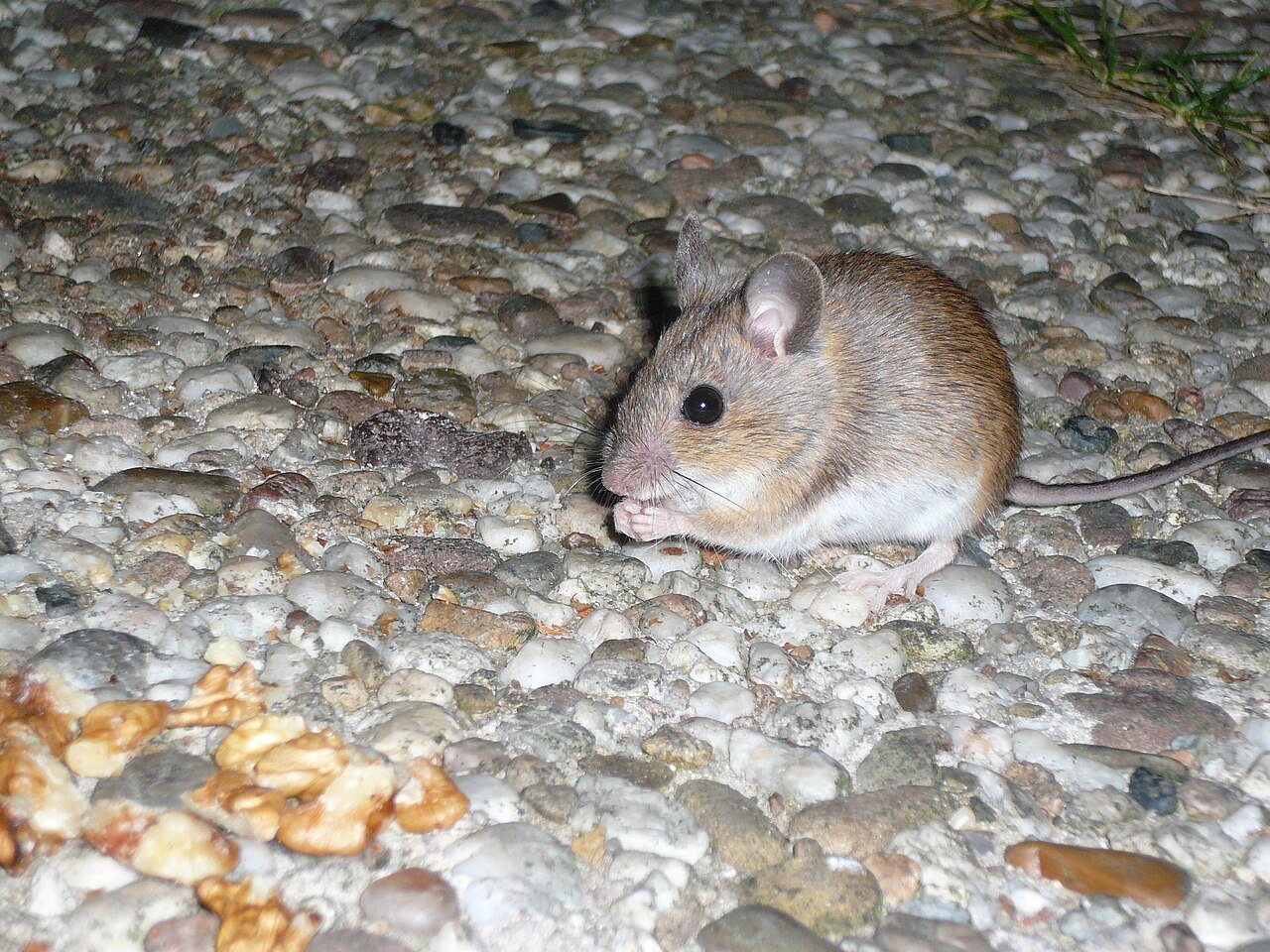
The Report Card
Peppermint oil: D
The internet’s favorite, and the one customers most want to believe in. Controlled testing keeps finding the same thing: high concentrations produce brief avoidance in lab arenas, and real-world cotton balls and sprays produce essentially nothing durable — the oil flashes off in days, mice habituate, and we routinely trap healthy mice within arm’s reach of month-old peppermint deployments. If you enjoy the smell, your kitchen can have it; your rodent plan shouldn’t.
Ultrasonic plug-in repellers: F
The gadget aisle’s flagship, and the category with the worst gap between marketing and evidence. Ultrasound doesn’t penetrate walls or furniture (the shadows are exactly where mice travel), rodents habituate to it within days even in direct exposure, and the FTC has repeatedly pursued manufacturers over unsupported claims. University extension guidance is blunt: don’t spend the money. We find active nests within feet of plugged-in units almost weekly all winter.
Mothballs: F, and illegal to use this way
Naphthalene at label concentrations is far too weak to move a rodent, and using mothballs outside sealed containers for stored fabric isn’t just useless — it’s an off-label pesticide use that puts a genuinely toxic vapor into your living space, with kids and pets at most risk. Same verdict as our mothballs-for-roaches page: wrong tool, real hazard, skip entirely.
Dryer sheets, Irish Spring, ammonia, predator urine: D through F
The folk shelf. Dryer sheets and soap bars produce the standard novelty pause, then become nesting material — we have photographed mouse nests built from dryer sheets, which is as complete a verdict as this category will ever get. Ammonia’s “smells like predator urine” theory fails on dosage and dissipation, and actual predator urine granules fare little better in testing: prey species that abandoned good habitat every time they smelled a fox would have starved out of evolution long ago. Coyote urine around a suburban foundation is theater.
Commercial spray and granule repellents: C-minus, situationally
The EPA-registered products — typically capsaicin, garlic-oil, or botanical blends — are the only corner of the aisle with even modest legitimate use. Where they occasionally earn their keep: outdoor, localized, non-survival situations — discouraging chewing on irrigation lines, vehicle wiring in a parked camper, or a shed’s corner — where the rodent has equally good options elsewhere and the stakes are convenience, not winter survival. Against mice entering a heated home, they fail exactly like everything else, for the same motivation-math reasons. Read labels, expect reapplication, and expect modesty.
The two “repellents” that actually work: A
First: a sealed building. Exclusion is the only intervention that permanently changes a mouse’s decision, because it removes the option rather than arguing about it. Copper mesh, steel wool done right, hardware cloth, and door sweeps out-repel every scent ever bottled. Second: a boring property. Sanitation is repellency — sealed food containers, secured pet food and bird seed (the #1 overlooked mouse subsidy in the suburbs), managed garbage, cleared clutter and wood piles at the foundation. A house that’s hard to enter and unrewarding to visit is “repellent” in the only sense the species respects. Everything else on this page is commentary on those two sentences.
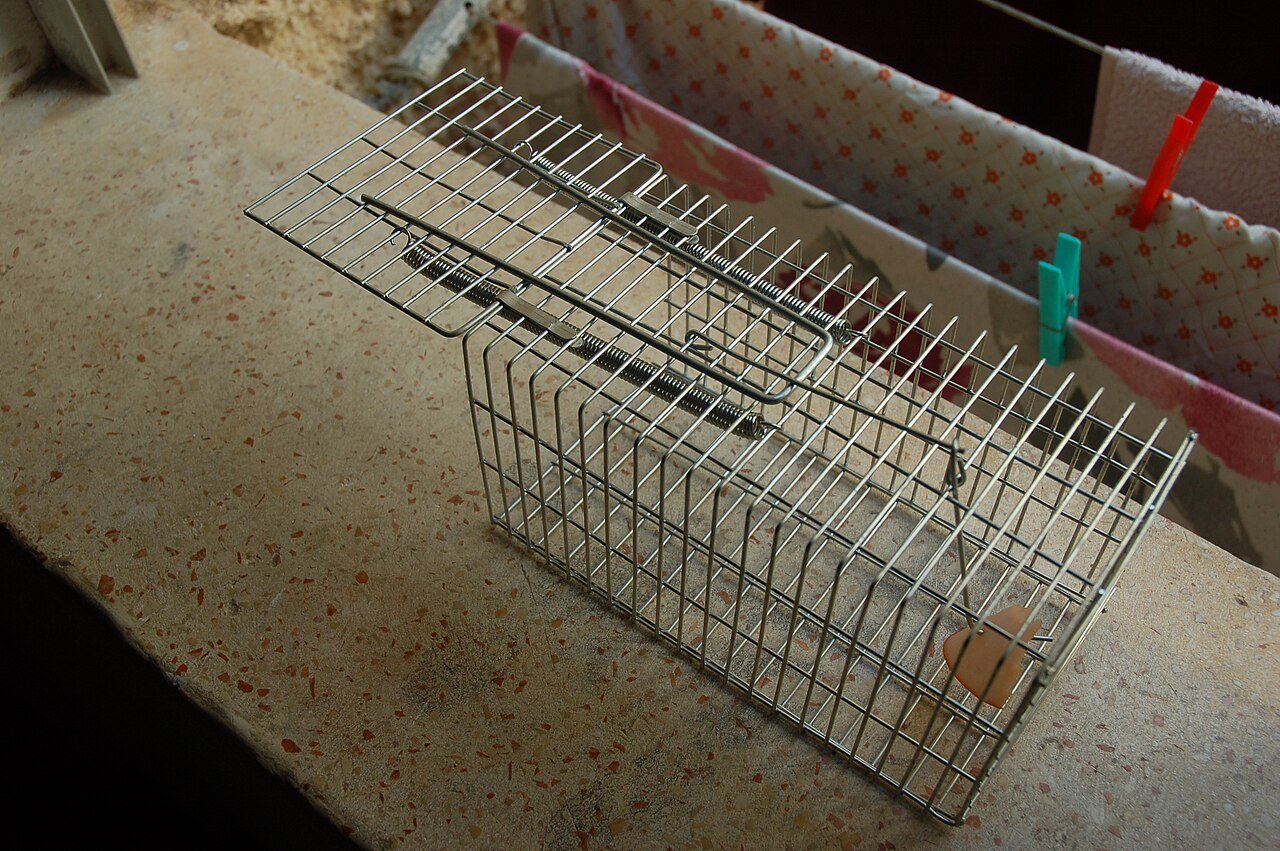
Already Have Mice? Repellents Are the Wrong Aisle Entirely
Everything above concerns keeping mice out. Once they’re in — droppings in drawers, noises in walls, the evidence our droppings guide confirms — no repellent evicts an established population, and attempting it just scatters activity into new rooms while the nest keeps producing (a mother mouse can run a litter every three weeks). The working sequence is the one our whole rodent wing teaches: trap the population down (the full playbook — and skip poison, which relocates the dying into your walls), seal the entries, verify with monitors, and then let the sealed building do the permanent repelling. That’s also precisely the arc of our professional rodent service, minus the trial and error.
Tired of buying smells that mice sleep next to? Get a quote for the eliminate-exclude-verify treatment instead. Serving Dayton and all of Montgomery, Greene, Miami, Clark, Warren, Butler, Preble, and Darke counties.
The Special Case Everyone Asks About: Rodents Chewing Car Wiring
The one place repellent products get tried hardest is the garage and the driveway, because the stakes are real: modern vehicles use soy-based wire insulation that rodents genuinely like to chew, and a nest on a warm engine block can turn into a four-figure repair. Honest guidance for this niche: the capsaicin sprays and rodent tapes sold for vehicles are the least-bad products in the category — localized, reapplied, non-survival stakes — and they still underperform the boring fixes. What actually moves the needle: drive the vehicle regularly (rodents colonize stillness), park away from bird feeders and pet-food storage, leave the hood up on a long-parked project car (destroys the dark-cavity appeal), set snap traps around the tires of anything stored for the season, and fix the garage’s corner gaskets so the population never reaches the vehicle at all. For stored campers and classics, the winning move is exclusion again — ground-contact points minimized and every opening meshed — not a perimeter of granules that dissolves with the first rain.
How the Aisle Keeps Selling: a Short Anatomy
If none of it works, why are the shelves full? Three mechanisms keep the category alive. The novelty window generates sincere five-star reviews — deploy product, mice go quiet for two days (they always do), review written, habituation arrives after the review does. Coincidence with season: a repellent deployed in March “works” because spring emptied the house naturally; nobody reviews the October reinvasion. Cheap risk: at $12–$25 a bottle, nobody sues, few return, and the customer who concludes it failed usually blames their own application. None of this requires villainy — just a product category where the placebo window is measured in days and the failure arrives after the receipt is lost. Knowing the pattern inoculates you against the whole aisle, including next year’s new scent.
What a Professional Rodent Job Does Instead
For contrast, the sequence we actually run — the one the aisle is competing with: inspect (find the entries, the runways, the nest zones, and the attractant subsidies — usually bird seed or pet food); eliminate (a trapping array placed on the runways, checked and adjusted, until monitors go quiet); exclude (every quarter-inch-plus gap sealed in metal, from the AC line-set to the garage gaskets); verify (monitored stations proving the inside is empty and stays empty). No step involves asking a mouse’s opinion about a smell. The whole program typically costs less than two winters of serial repellent-buying, and unlike the aisle, it ends. That’s the comparison this page exists to let you make with clear eyes.
Reading Repellent Labels Like a Skeptic
Five phrases that should adjust your expectations before the register. “Repels” with no timeframe: legally safe, empirically empty — everything repels for 48 hours. “Use with an integrated pest management program”: the fine-print confession that the product is an accessory to the traps and sealing that do the work. “Reapply after rain” or “refresh every 30 days”: a subscription disguised as a solution — price out a year of refreshes against one exclusion job. “Humane” as the lead claim: exclusion is the actually humane option; a repellent that merely relocates a winter-desperate mouse to your neighbor’s wall isn’t kindness, it’s deferral. “Safe around kids and pets”: often true precisely because the active ingredient is too mild to affect a 20-gram rodent either. None of these phrases is a lie; together they’re the aisle telling you, in regulatory dialect, exactly what this page has been saying in plain English.
The one label that does deserve your trust in the rodent aisle: the EPA registration number on snap traps’ bait attractants and the mesh gauge printed on exclusion materials. Products that do real work tend to advertise specifications; products that don’t tend to advertise feelings.
And to head off the natural follow-up: no, professional pest control doesn’t have a secret repellent the stores don’t carry. The industry’s honest advantage isn’t a better smell — it’s the inspection experience to find every entry, the materials to close them permanently, and the trapping craft to empty the building first. When a company sells you a “proprietary rodent barrier spray” on a quarterly schedule, ask what’s in it and where the efficacy data lives; the answers tend to be capsaicin and nowhere. The barrier that works is made of metal, and we install it once.
Frequently Asked Questions
What is the best rodent repellent?
A sealed building and a boring property — exclusion and sanitation are the only interventions that durably change rodent behavior. Among products sold as repellents, nothing earns better than a C-minus, and that only for localized outdoor chewing problems, not for keeping mice out of a heated home.
Does peppermint oil really keep mice away?
No — not durably. Lab tests show brief avoidance at high concentrations; real-world cotton balls and sprays fade in days and mice habituate completely. We trap healthy mice next to month-old peppermint deployments all winter. Enjoy the scent; don’t stake the pantry on it.
Do ultrasonic mouse repellers work?
No. Ultrasound can’t penetrate the walls and clutter mice travel through, rodents habituate within days, and the FTC has repeatedly acted against manufacturers’ claims. University extension guidance says plainly: save the money. We find nests within feet of active units.
Do mothballs keep mice away?
No, and using them loose for rodents is off-label pesticide misuse that puts toxic naphthalene vapor into your home — a genuine hazard to kids and pets in exchange for zero rodent effect.
Does Irish Spring soap or dryer sheets repel mice?
They produce a day or two of novelty caution, then nothing — we’ve photographed mouse nests built out of dryer sheets, which settles the question about as thoroughly as it can be settled.
Does predator urine keep rodents away?
Not meaningfully. Prey animals that fled good habitat at every predator scent would have starved out of evolution; testing shows brief wariness at best, and suburban mice ignore fox and coyote granules routinely.
Why did my repellent seem to work at first?
Neophobia — rodents treat any new smell or sound as suspicious for about 48 hours, then habituate once nothing bad follows. Every repellent gets that grace period; none of them keeps it. The novelty worked, briefly. The product didn’t.
Is there any legitimate use for rodent repellent sprays?
Narrowly: EPA-registered capsaicin or botanical products can discourage localized outdoor chewing — irrigation lines, parked-vehicle wiring, a shed corner — where the rodent has equal options elsewhere. Against mice seeking winter shelter in a house, they fail like everything else.
What actually keeps mice out of a house?
Quarter-inch-standard exclusion (copper mesh, steel wool, hardware cloth, door sweeps), starved attractants (sealed food, secured pet food and bird seed, managed garbage, cleared foundation clutter), and — if mice are already inside — trapping first, sealing second, verifying third. That sequence is our entire rodent service in one sentence.