
Troy closes real estate the way county seats do — steadily, across every price band at once: downtown’s nineteenth-century commercial blocks converted to residential, the historic homes ringing the Public Square, post-war neighborhoods, and new construction pushing toward the interstate. A WDI inspection practice that serves Troy has to read all of it, and ours does: $99 flat on the lender-ready NPMA-33, next business day, PDF the day we inspect, pay at booking or on the settlement statement, booked in one minute at the realtor link.
What Inspections Actually Find in Troy
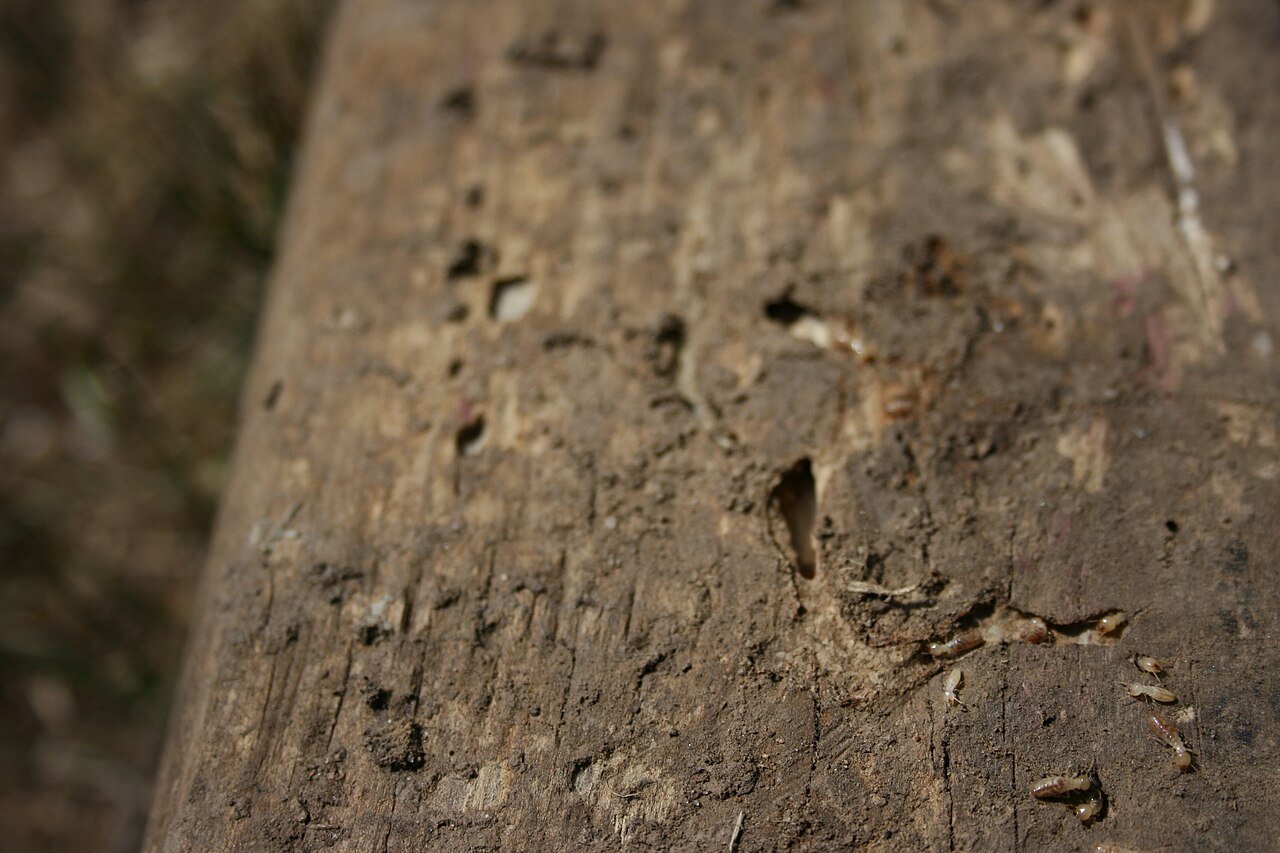
The Great Miami wrote Troy’s termite geography. Homes in the river’s old flood plain sit on the damp crawl spaces and moisture-conducive soils that colonies favor, and those crawls are where our flashlight earns the fee — entered, probed, and documented, never assessed from the hatch. The historic district adds the archaeology file: original timber in homes that have stood since the canal era, layered with repairs and old treatments that need dating more than discovering. And the mid-century stock between them produces the metro’s standard findings — garage frames, sill lines, utility penetrations — that our Troy termite work handles year-round. Three files, one form, one standard of language.
Downtown’s Converted Buildings
Troy’s downtown conversions — storefronts and upper floors turned lofts and condos — carry nineteenth-century timber structure behind modern finishes, and their sales increasingly trigger WDI orders. These inspections reward experience with old commercial framing: heavy joists, embedded beam pockets, and a century of moisture history that reads alarming to a checklist and routine to an inspector who knows the vintage.

Built for the Transaction Timeline
- $99 flat — VA, FHA, conventional-accepted NPMA-33
- Next business day across Troy, Concord Township, and Miami County
- Same-day PDF to agent, buyer, lender, and title
- Pay now or at closing on the settlement statement
- Portfolio scheduling for investors trading Miami County doors — $99 each, one consolidated window
The County-Seat Standard
Troy’s agents run files for buyers from Piqua to Tipp City, and the WDI line should behave the same on every one: booked online in a minute, inspected on schedule, report delivered the same day, fee on the settlement statement if that’s cleaner. That consistency — not any single inspection — is what makes a termite vendor worth bookmarking. The full agent rundown is on the realtor page.
When the Clock Is Already Red
Every Troy agent eventually places the call that starts with “I know it’s Thursday.” The appraisal came back late, the lender’s checklist grew a line, closing is Monday, and the file needs an NPMA-33 yesterday. Here’s how we handle it: tell us the real deadline — the recording date, not a cushion — and we give an immediate yes or no. When it’s yes, the same-day machinery runs: inspected that afternoon, PDF that evening, title copied directly so the document is in the file before the weekend. When it’s no, we say so on the phone in the first minute, because a false promise on a red clock is the one unforgivable vendor sin.
Most rushes here are avoidable, though, and the fix costs nothing: book the WDI at contract. At $99 with pay-at-closing, ordering it early is cheaper than one Thursday phone call’s worth of cortisol.
The Levee, the Square, and the Subdivisions
Troy’s inspection map has three registers. Inside the levee-protected blocks near downtown, the flood-plain story this page describes plays out in the crawl spaces of the older grid. Around the Public Square, the conversions and historic homes carry the county’s deepest timber histories. And the newer subdivisions toward Concord Township and the interstate produce the fast-clean-report file, with the usual pretreatment-clock footnote for the 1990s streets. A county-seat practice sees all three in a normal week — sometimes in a single day — and the $99 and the standard don’t change across any of them.
For Miami County agents, that consistency is the point: one bookmark, one form, one vendor behavior from Piqua to Tipp City, with Troy in the middle getting the volume.
Reading the Report in Five Minutes
For the county-seat agent juggling a dozen files, here’s the five-minute read of any NPMA-33 we issue. First line of business: the verdict boxes — live insects, evidence, damage, each checked yes or no. Then the narrative lines: where, stated specifically (“shelter tubes, northeast crawl pier, inactive”), never vaguely (“evidence noted”). Then conducive conditions — the maintenance list, not a finding — and the inaccessible-areas section, which honest reports use and drive-bys leave blank. If treatment is recommended, it says so plainly, with the quote arriving separately so the form stays a finding document rather than a sales letter.
Five minutes, and the agent knows whether the file is closed, needs a conversation, or needs a treatment date. That legibility is deliberate: a report that requires a phone call to understand has already failed at its one job.
One last Troy-specific habit worth adopting: agents who work the historic district keep a copy of each sold listing’s NPMA-33 in their own files, because downtown’s converted buildings and older frames trade in a small circle — the same addresses resurface every few years, and an agent who can produce the 2026 report alongside the 2030 one walks into the listing appointment with the house’s termite provenance already assembled. In a market where the buildings outlive every participant, the paper trail is the asset that compounds.
Buying closer to the city? We also schedule termite inspections in Dayton, Ohio — same $99 NPMA-33 report, same next-business-day turnaround for realtors, from our office at 733 Salem Ave.
Frequently Asked Questions
How much is a termite inspection in Troy?
$99 flat — the lender-ready NPMA-33, next business day, PDF the day we inspect, pay at booking or on the settlement statement.
Does being in the old flood plain increase termite risk?
It shapes it: flood-plain soils and damp crawl spaces are conducive conditions colonies favor, which is why crawl entry matters more in Troy than almost anywhere in Miami County. Conducive is a maintenance flag, not an infestation — the report keeps the two distinct.
Do you actually enter the crawl space?
If it’s accessible, always. In flood-plain stock the crawl is where the evidence lives; a WDI assessed from the hatch is a drive-by wearing paperwork. Genuinely inaccessible sections are documented as obstructed on the form, honestly.
Can you inspect downtown’s converted lofts and condos?
Yes — nineteenth-century commercial timber behind modern finishes is its own specialty: heavy joists, beam pockets, a century of moisture history. It reads alarming to a checklist and routine to an inspector who knows the vintage.
What about the historic district homes?
Archaeology-grade attention: original timber, layered repairs, old treatments that need dating more than discovering. Documented history with no live activity closes routinely — precision of language is what protects the deal.
Is a WDI required for VA loans?
VA purchases in Ohio require it outright; FHA and conventional order case-by-case on appraisal notes. The NPMA-33 satisfies all three.
Do you handle investor portfolios?
Yes — Miami County door trades run $99 per structure with consolidated scheduling and one report package to the lender.
How do agents book?
greaterdaytonpest.com/realtor — one minute, built for phones, bookmarkable.