
A mouse in most stockrooms costs inventory; a mouse in a Waynesville stockroom costs history. The antiques capital’s working inventory is exactly what mice want most in the world after calories: horsehair and cotton upholstery for nesting, ephemera and book paper for shredding, quilt and textile stock for bedding, and case furniture full of dark cavities to do it all inside. Rodent control in Waynesville is therefore an inventory-protection discipline before it’s anything else: the town’s dealers hold irreplaceable soft goods in 19th-century buildings and unheated storage barns — the most nestable stock in the most enterable structures we service — and one unnoticed winter can turn a consignment of quilts into a nursery. We call it the inventory winter, and preventing it is cheaper than any single piece it saves.
Why Antique Stock Is Prime Habitat
The mouse’s winter checklist — warm cavity, soft nesting material, undisturbed darkness, food nearby — is an antique stockroom’s product description. A upholstered wing chair offers move-in-ready housing: batting behind the seat deck, a frame cavity below, and horsehair that tears into perfect bedding. A drawered chest is an apartment block. A box of ephemera is a shredding supply that also insulates. And the buildings compound it: the Main Street shops run the stone-foundation, connected-cellar architecture of their era, while the overflow storage — the barns and outbuildings where dealers winter their bulk stock — runs the rural entry profile of any township outbuilding, with field margins delivering the fall wave. The damage math is what makes this file different: a mouse-shredded reproduction loses a sale; a mouse-shredded 1850s quilt loses something no invoice recovers — and droppings-staining on textiles and paper is permanent even when the piece survives structurally.
The Stockroom Winter Protocol
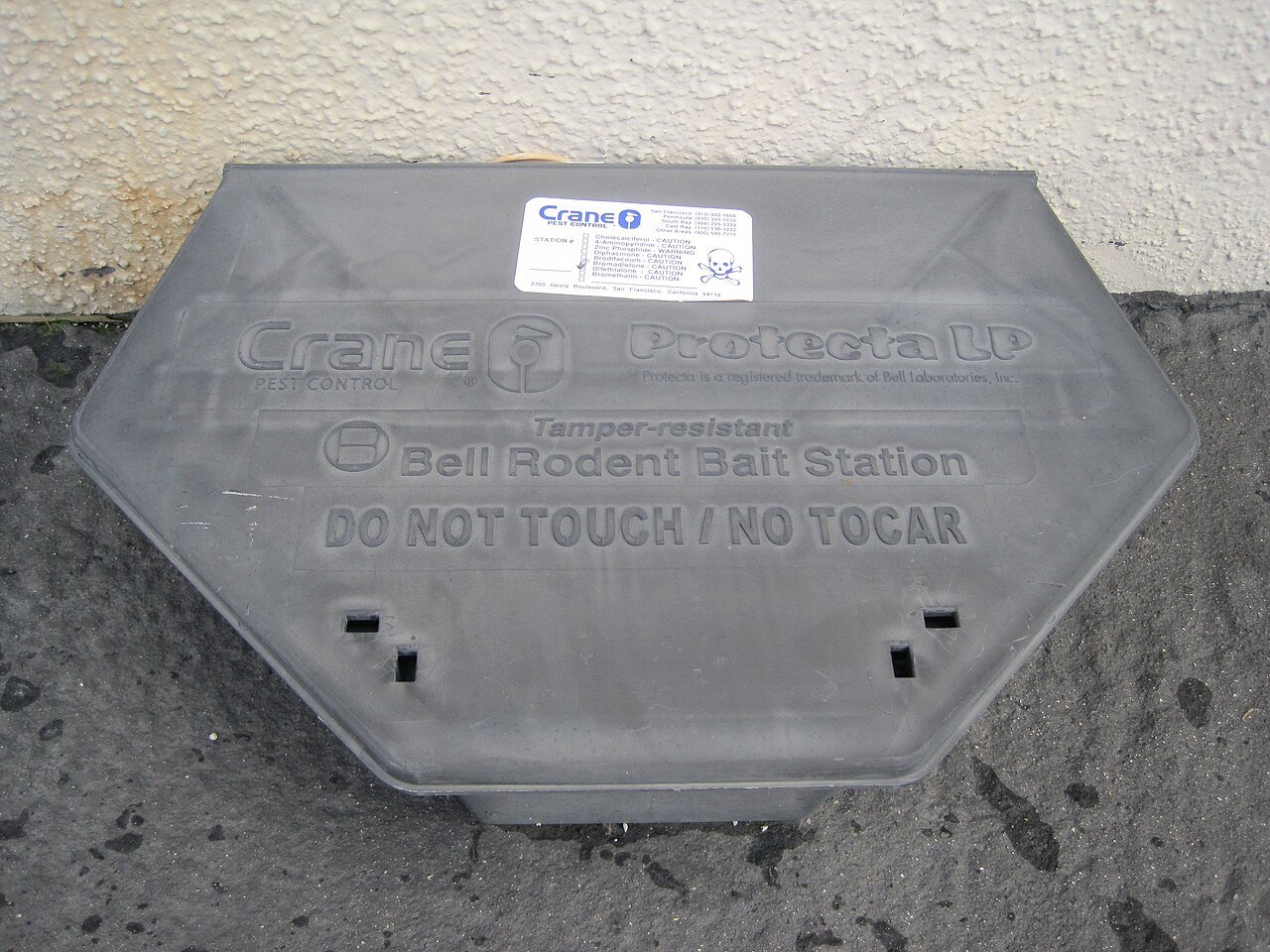
The discipline that works, October through March: elevation — soft goods off the floor, on pallets or shelving, because floor-level stock takes first losses; enclosure — textiles and ephemera in lidded totes, not open boxes, with the most valuable pieces in the tightest containers; monitoring on the perimeter — stations and snap-trap boxes along the walls and at the door lines, read monthly, because the trend line catches an October entry before it becomes a January nursery; and the spring stock-walk — every upholstered piece and drawered case checked for the winter’s evidence (droppings, shredded batting, the ammonia note of an active nest) before the selling season moves it into a customer’s home. That last check is reputation protection as much as pest control: the piece that leaves a Waynesville shop with a nest in the seat deck takes the town’s name with it.
The Waynesville Program
- Stockroom and barn service: perimeter station lines, snap-trap boxes where bait shouldn’t sit, and the exclusion list for stone foundations and barn doors — quoted per building, run on the winter calendar
- The spring stock-walk: taught free to any dealer who wants the checklist — or run as a service pass before festival season
- Main Street coordination: the connected-cellar blocks get the block-logic treatment — whole buildings, shared awareness, one circuit
- Residential service: the village standard — garage gaskets, sill gaps, and the fall wave met with September timing
The framing that fits the trade: dealers already insure, document, and climate-think for their best pieces — the rodent program is the same care pointed at the risk that actually eats soft goods in Ohio winters. It prices as a rounding error against one ruined quilt, and it runs quietly alongside the building-and-stock termite file and the dealer’s dock — three files, one intake-and-monitoring culture, one town whose inventory deserves it. The full local picture lives on our Waynesville service page.

Winter the Inventory Safely
One walkthrough sets the stockroom’s winter posture — elevation, enclosure, stations, schedule — and the spring stock-walk checklist comes free. The quilts came through a century and a half; they shouldn’t lose to one unwatched January.
Frequently asked questions
Why are antiques stores especially vulnerable to mice?
Because the inventory is the habitat: horsehair and batting for nesting, ephemera and book paper for shredding, drawered cases full of dark cavities — a mouse’s winter checklist reads like a stockroom’s product description. And the damage is asymmetric: a shredded 1850s quilt is a loss no invoice recovers.
What’s the single most protective change for stored stock?
Elevation and enclosure: soft goods off the floor on pallets or shelving, textiles and paper in lidded totes with the best pieces in the tightest containers. Floor-level stock in open boxes takes the winter’s first losses, every time.
How do I know if mice got into a piece over the winter?
The spring stock-walk: check seat decks and frame cavities for shredded batting, drawers and case backs for droppings, and trust your nose — an active nest carries an ammonia note. Every upholstered and drawered piece gets the check before selling season moves it into a customer’s home.
Can droppings damage be cleaned off textiles and paper?
Staining on textiles and foxing-adjacent damage on paper is often permanent even when the piece survives structurally — and contaminated soft goods raise handling questions besides. Prevention costs a rounding error against one ruined quilt; that’s the whole economic case.
Is bait safe around the stock?
Stations stay on the perimeter — walls and door lines — and inside stockrooms we run snap-trap boxes instead, so nothing toxic sits near inventory and no poisoned mouse dies in a wing chair’s frame cavity. Placement design is half this file.
What about the storage barn outside town?
It runs the rural profile: field margins deliver the fall wave through barn-grade gaps, and the program matches — September perimeter stations, door-line exclusion, and the elevation-and-totes discipline mattering most where heat and humans visit least.
Do the Main Street shops need coordinated service?
The connected-cellar blocks do — stone foundations and shared below-grade space mean one building’s population is the row’s. Block-logic service on one circuit beats storefront-by-storefront every winter.
What does rodent control cost in Waynesville?
Per-building stockroom and barn programs on the winter calendar, the spring stock-walk checklist free to any dealer, and village residential at standard flat rates — all priced against the only comparison that matters here: one irreplaceable piece.