Mason engineered its water, and in doing so engineered its mice. Every subdivision in this town drains through designed infrastructure — retention ponds, grass swales, riprap outfalls, landscaped buffer strips — and that stormwater network, mandated lot by lot as the town built out, quietly assembled something no one intended: a connected wildlife corridor system threading between the fences of nearly every neighborhood. Rodent control in Mason starts from that map. The question puzzled homeowners ask — how do mice reach a house in the middle of a sealed modern subdivision, three hundred yards from any field? — has an infrastructure answer: they don’t cross the open lawns, they follow the drainage. We call it the greenway network, and it delivers rodents deeper into new construction than any natural landscape could.
How the Network Delivers
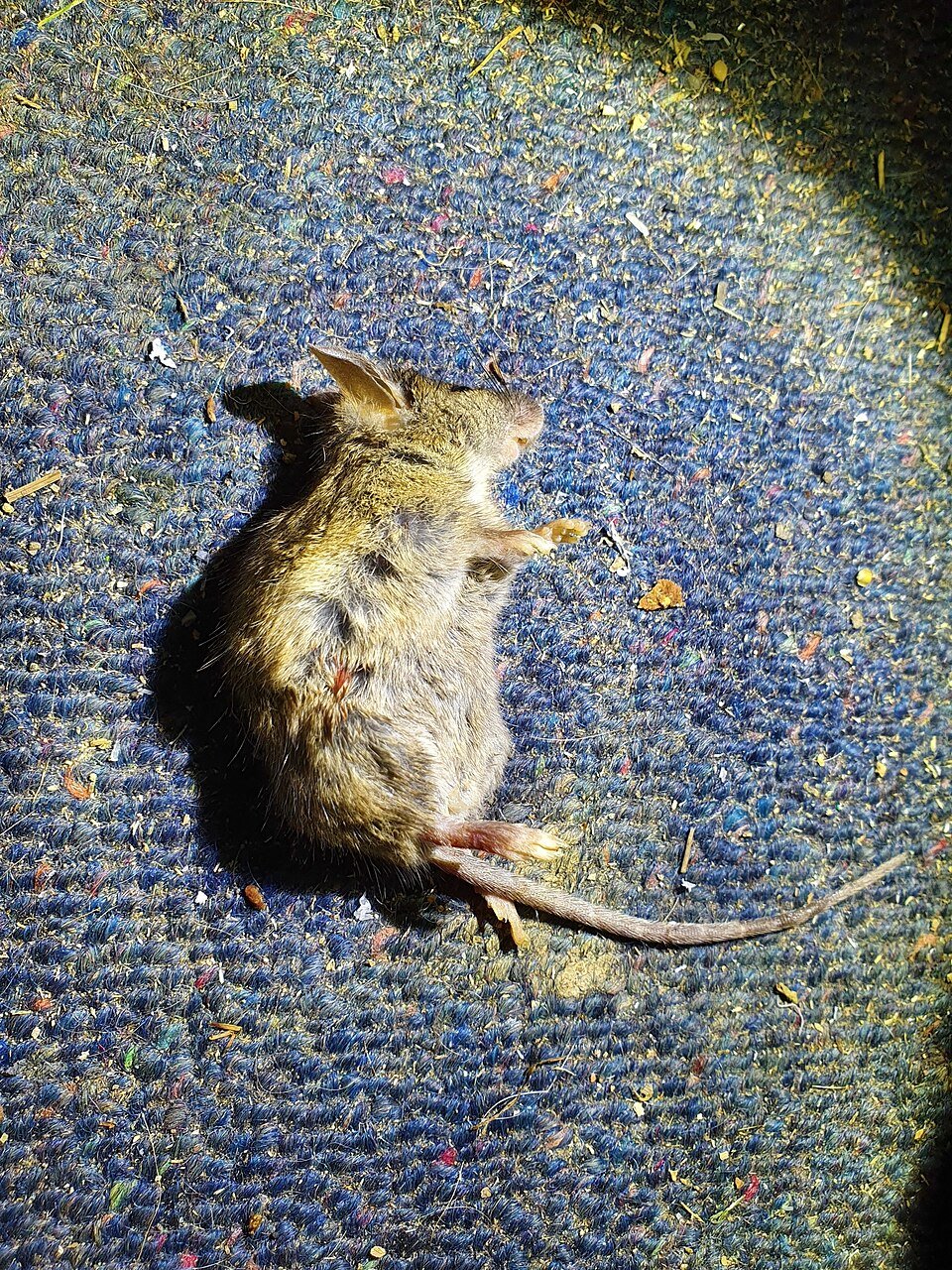
Follow a Mason retention pond’s edges and you’re reading rodent habitat: cattail and tall-grass margins for cover, riprap for denning voids, a permanent water source, and — the connector — the mowed-but-never-disturbed swales and buffer strips linking pond to pond, subdivision to subdivision, all the way out to the real field edges beyond the beltway of development. White-footed mice and meadow voles populate the network year-round; the autumn cooling moves the overflow up the swales; and the last fifty feet from buffer strip to house runs along the amenities every backyard provides — the landscape beds, the playset border, the trash-can pad — to the one honest opening a modern build offers, the garage-door gasket. The pattern shows in our Mason call map: the houses backing the ponds and swales run multiples of the street-interior pressure, every autumn, in every subdivision vintage.
The Backing-Lot Protocol
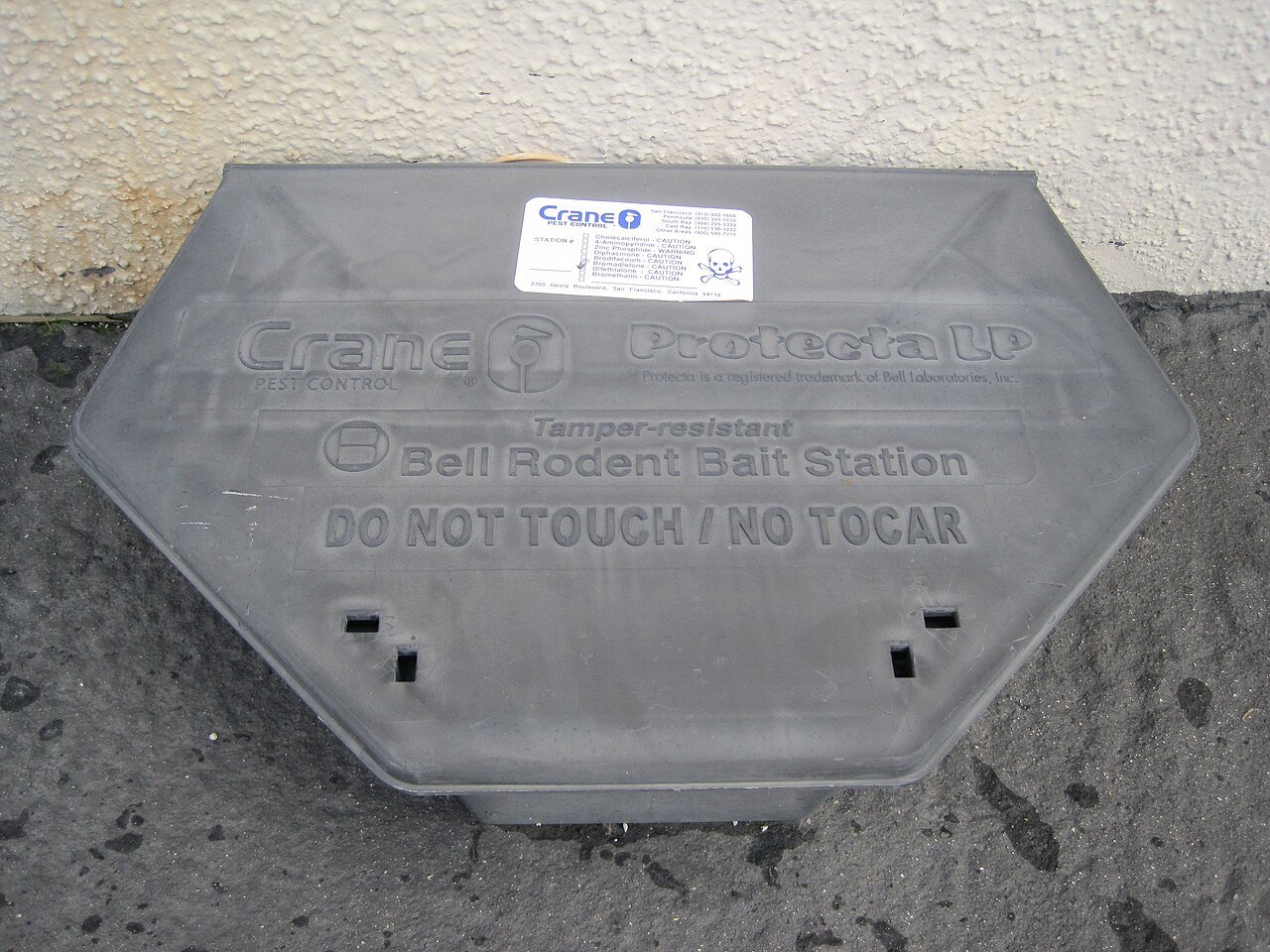
If your lot touches the network — pond frontage, swale easement, buffer strip behind the fence — the program is specific: exclusion first (the garage gasket corners and utility penetrations, done in summer), then a monitor-and-bait station line along the fence side facing the corridor, placed in September and read through winter, because your lot line is the network’s off-ramp and the station line is the toll booth. Interior lots need less — usually the garage protocol alone — and we say so rather than selling the full perimeter to a house the network doesn’t reach. The commercial campuses run the scaled version: retention infrastructure rings every office park and retail center in town, and the dumpster corrals and loading docks nearest the pond margins are the standing pressure points our commercial station lines are built around.
The Mason Program
- The corridor read: every quote starts with the drainage map — where your lot sits relative to ponds, swales, and buffers decides how much program you actually need
- Backing-lot service: summer exclusion, September station lines on the corridor side, winter reads — the toll booth, staffed on schedule
- Interior-lot honesty: the garage-door protocol and little else, priced as such
- Commercial accounts: station lines and dock-zone service mapped to each campus’s retention ring, with the documented logbook facilities managers file
The framing that fits this town’s character: Mason solved stormwater the way Mason solves everything — thoroughly, uniformly, to spec — and the network is the solution working as designed, wildlife included. Nothing about it is a defect, and nothing about it is going away; the ponds are amenities, the swales are code, and the voles were always going to notice. What a household controls is the off-ramp, and an off-ramp is a hardware-and-timing problem — the kind we solve every September, street by street, with the drainage map open on the truck seat. The town’s full file lives on our Mason service page, alongside the engineered-lot ant file the same construction history writes.
Find Your Lot on the Drainage Map
One visit reads your position in the network — backing, near, or interior — and quotes exactly the program that position warrants: the full toll-booth setup, the garage protocol alone, or the honest “you’re fine” that interior lots sometimes get for free.
Frequently asked questions
How do mice reach a house in the middle of a sealed subdivision?
They follow the drainage: retention ponds, grass swales, and buffer strips form a connected corridor network threading between the fences of nearly every Mason neighborhood. Mice don’t cross open lawns — they ride the greenway to your fence line, then the landscape beds to the garage gasket.
Why do the houses backing the pond get more mice?
Pond frontage is corridor frontage: cattail margins for cover, riprap for denning, permanent water, and a swale connection to the wider network. Backing lots run multiples of street-interior pressure every autumn — which is why their program includes the fence-side station line and interior lots’ doesn’t.
What is the “toll booth” setup?
Summer exclusion on the garage corners and penetrations, then a September monitor-and-bait station line along the corridor-facing fence, read through winter. Your lot line is the network’s off-ramp; the station line meets the traffic there instead of in the garage.
My lot is street-interior — do I need the full program?
Usually not, and we’ll say so: the garage-door protocol (gasket corners, sealed house door, provisions in steel, one monitor) covers most interior lots. The drainage map decides the quote — that’s the point of reading it first.
What’s actually living in the retention pond margins?
White-footed mice and meadow voles year-round, denning in the riprap and tall-grass edges — plus the muskrats and waterfowl that are nobody’s pest problem. The seasonal cooling moves the rodent overflow up the swales; the ponds themselves are working exactly as designed.
Can the HOA or city treat the ponds and swales?
The corridors are engineered stormwater infrastructure — they can’t and shouldn’t be de-wildlifed, and mowing schedules are set by function and code. The controllable ground is private: the off-ramps, at each fence line and garage. That’s where programs work.
What about mice at my business or restaurant in Mason?
Every campus and retail center sits inside its own retention ring, and the docks and dumpster corrals nearest the pond margins are the standing pressure points. Commercial station lines are mapped to that geography, with the documented logbook facilities managers file.
What does rodent control cost in Mason?
Position-priced honestly: backing lots get the full toll-booth program, interior lots get the garage protocol alone, and the corridor read that decides which is which comes free with the quote — sometimes along with “you’re fine.”