
Waynesville sells the past for a living — the antiques capital of the Midwest, a Main Street of dealers whose inventory is oak, walnut, pine, and cherry that predates every soil treatment ever applied in Warren County. That commerce gives termite control here a dimension no other town we serve carries: the stock itself. A colony in a Waynesville building isn’t just eating a structure; it’s within reach of a showroom of irreplaceable wood, and the town’s buildings — 19th-century storefronts housing the trade, with the timber sills and stone foundations of their era — are exactly the architecture subterranean termites work best. We call the local discipline the inventory file: protecting the buildings that hold the goods, reading the goods that enter the buildings, and keeping the distinction between the two honest — because they are different problems with different insects.
The Building File: Main Street’s Timber
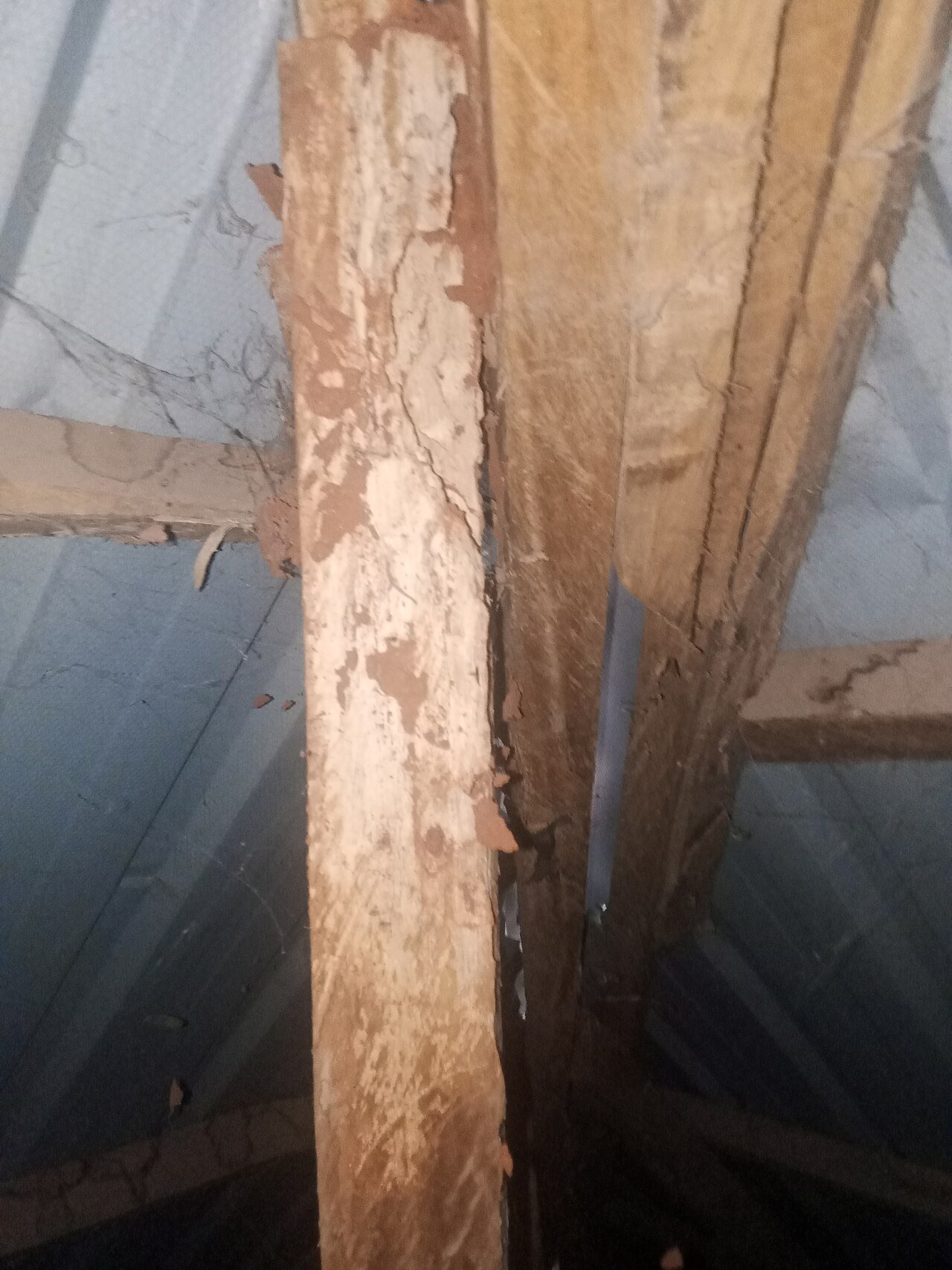
The structural half is classic historic-district work. Waynesville’s commercial core runs timber-sill-on-stone construction with rear additions, dirt-floored storage cellars, party walls, and a century and a half of grade creep — the full menu of soil-to-wood contact points, with lath-and-plaster concealment over whatever happens inside the walls. For dealers, the stakes compound: a subterranean colony that finds the sill run behind a showroom wall is feet from stock, and the humid ground-floor back rooms where overflow inventory waits are the closest thing to ideal conditions the species can find indoors. The program is the preservation standard — archaeology-grade inspections that date the additions and walk the party-wall lines, monitored bait where trenching would disturb historic fabric, targeted injection where coverage demands it, and moisture counsel for those back rooms, because dropping the humidity protects the building and the veneer glue lines in the same stroke.
The Stock File: What Walks In the Door
Here’s where the honest distinction earns its keep: the insect that arrives inside a piece of furniture is almost never a subterranean termite — they live in soil and die cut off from it. The furniture pest is the powderpost beetle family: larvae working old hardwood for years, announced by fresh exit holes (clean, round, pinhead-to-BB sized) and talc-fine frass sifting from them. Every dealer and serious buyer in this town should know the freshness test — old holes with no powder are history, the maker’s scars of a piece that lived; new powder below a hole, or powder that reappears after dusting, means active larvae and a quarantine-and-treat decision before the piece joins a showroom or a house. We do that verdict for free from photos, and for confirmed pieces the options run from targeted treatment to professional fumigation referral for the irreplaceable — but the point of the file is triage: knowing which holes matter keeps a dealer from either selling a problem or panicking over a patina.
One Town, Two Verdicts
- Dealer programs: scheduled structural monitoring for the Main Street buildings — stations, cellar inspections, and the documented logbook that reassures both insurers and the buyer asking about that back room
- The intake habit: photo-verdict triage on incoming stock — the freshness test taught free, the quarantine call made honestly, the fumigation referral named when a piece warrants it
- Residential service: the village’s own housing — from the historic core’s stone foundations to the newer edges’ expiring builder pretreatments — inspected and protected on the standard schedule
- Swarm triage: April–May winged emergences ID’d free — straight antennae and equal wings mean the building file just went active, and that’s a same-week call
The two files meet in one place: the sale. A dealer whose building carries a current inspection and monitoring program, and whose stock intake runs the freshness test, sells provenance twice — the piece’s and the premises’. In a town whose entire economy is trust in old wood, that documentation is worth more than it costs by an embarrassing margin. The village’s full pest file lives on our Waynesville service page.
Protect Both Inventories
Building and stock, structure and showroom — one call covers the file that fits: monitoring for Main Street’s timber, free photo verdicts on anything with holes in it, and the honest line between a termite problem, a beetle problem, and a patina.
Buying or selling in Waynesville? What a lender, a VA file, or a listing agent asks for is not a treatment — it is a written report. That is a termite and WDI inspection in Waynesville: $99 flat on the lender-ready NPMA-33, next business day, PDF the day we inspect. Treatment only enters the conversation if the report actually finds something.
Frequently asked questions
Can termites arrive inside antique furniture?
Subterranean termites — Ohio’s structural threat — essentially never: they live in soil and die cut off from it. The furniture insect is the powderpost beetle family, working old hardwood for years. Different insect, different verdict, different treatment — and the reason the two files stay separate.
How do I tell if the holes in an old piece are active?
The freshness test: clean round exit holes with no powder are history — the piece’s scars. Talc-fine frass sifting below a hole, or powder that reappears after dusting, means live larvae. Photo it and send it; the verdict is free and it decides quarantine before the piece joins a showroom.
Why are the Main Street buildings high termite risk?
Timber sills on stone foundations, dirt-floored cellars, party walls, rear additions, and 150 years of grade creep — every classic soil-to-wood contact, with lath and plaster hiding the evidence. Humid back-room storage compounds it. Scheduled monitoring is the counterweight.
Can you treat a historic building without damaging it?
That’s the preservation standard we work to: monitored bait where trenching would disturb the fabric, targeted injection placed for coverage but planned around original material, and moisture correction doing the quiet half of the protection.
What should a dealer do about an infested piece?
Quarantine it away from stock and structure, get the verdict confirmed, then choose by value: targeted treatment for most pieces, professional fumigation referral for the irreplaceable. Selling it untreated risks a reputation no single sale is worth — and we’ll say so plainly.
I found winged insects in my shop this spring — which file is that?
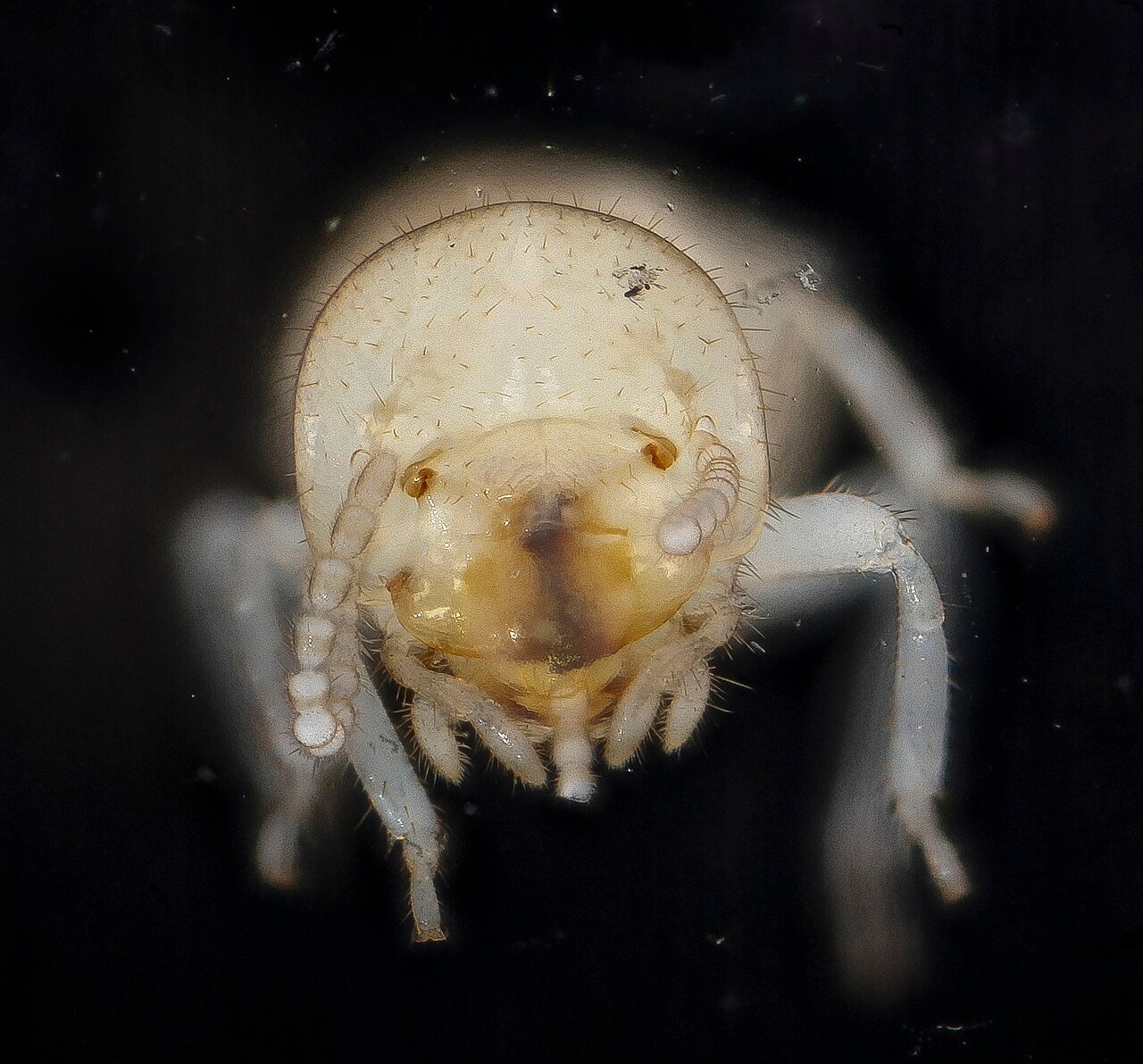
That’s the building file going active. Straight antennae, equal wings, thick waist = termite swarm, a same-week call; elbowed antennae and pinched waist = ants. The free photo ID settles it in minutes — before the wrong treatment gets bought.
Does a monitoring program really matter for selling antiques?
It sells provenance twice: the piece’s history and the premises’. A current inspection report and logbook answers the buyer’s back-room question, the insurer’s renewal question, and the disclosure question at any future building sale — documented beats remembered every time.
What does termite control cost in Waynesville?
Dealer monitoring programs price by building — stations, cellar checks, logbook — and run a small fraction of one showroom incident. Residential inspection quotes from footage and construction; the stock verdicts and photo IDs cost nothing at all.
Reading the rest of Waynesville’s files fills in the picture: ant control in Waynesville and wasp & hornet removal in Waynesville.