
A brand-new Springboro house has no spiders. That’s not marketing — it’s ecology: a just-built home on graded, compacted, freshly-sodded ground sits in a biological desert, and spiders, which eat other arthropods, have nothing to stay for. What happens over the next five years is the interesting part, and it’s the organizing idea behind spider control in a town that has built as much new housing as Springboro has: the spider fauna arrives in ordered waves, each wave tracking a milestone in the yard’s maturation, until year five delivers the full roster the older neighborhoods have carried all along. We call it the colonization curve, and if you know where your house sits on it, you know what’s coming next — and how to interrupt it.
The Five-Year Curve
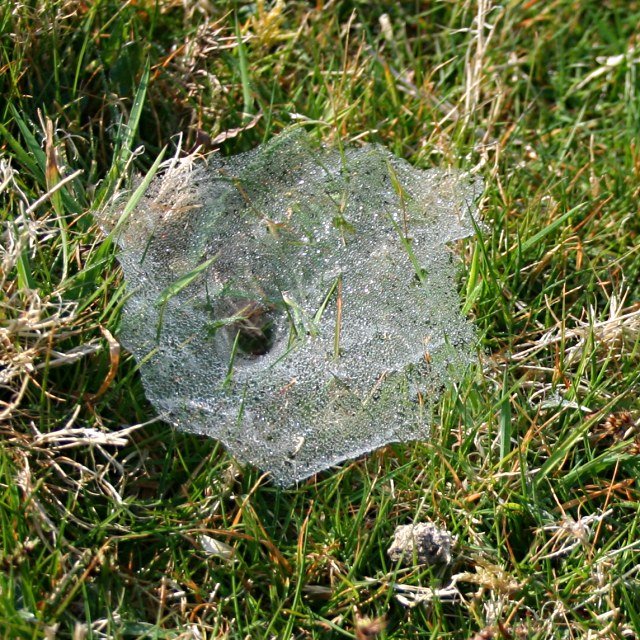
Year one belongs to the pioneers: wolf spiders and other ground-hunters wandering in from the construction margins, patrolling the garage and the mulch line. They need no webs and no infrastructure — just the beetles and crickets that colonize disturbed soil first. Year two adds the first web-builders at the exterior lighting, because by now the landscaping is attracting flying insects and the porch fixtures concentrate them nightly; a cobweb at the coach light is the curve’s first visible milestone. Years three and four are the boom: shrubs planted at closing have filled in, irrigation is running a moisture economy, the shade clock is maturing the same habitats that feed everything else — and the orb weavers, funnel weavers, and cellar spiders arrive to work a now-productive hunting ground. Year five completes it: the basement and garage populations establish permanent residency, the landscape boulders and retaining walls house their first funnel-web colonies, and the house has, biologically speaking, joined the older side of town.
Why This Matters for Treatment
The curve dictates strategy. A year-one house doesn’t need spider service — it needs door sweeps before the wolf-spider walk-ins start. A year-two house needs its lighting decisions audited, because the fixture choices made now recruit the web-builders for the next decade; warm-spectrum bulbs and motion conversion at this stage bend the whole curve downward. Years three through five are when a quarterly exterior program earns its keep, intercepting each arriving wave at the anchor points — eaves, shutters, deck rails, the retaining wall — before residency hardens into tradition. And an established house, here or in the older neighborhoods off Main Street, gets the full de-web-and-treat protocol on a maintenance calendar. Same town, same species list, completely different service depending on the calendar year your foundation was poured.
What Service Looks Like on the Curve
- Curve assessment: we date your house’s spider ecology in one walk-around and tell you which wave is next
- Lighting counsel early: the year-two intervention that outperforms years of spraying — spectrum and motion choices at the fixtures doing the recruiting
- Anchor-point program: quarterly de-web and treatment of eaves, shutters, deck rails, and stone features through the boom years
- Interior line: basement, garage, and window-well service once the residents arrive — plus honest ID on anything that worries you, free, from a photo
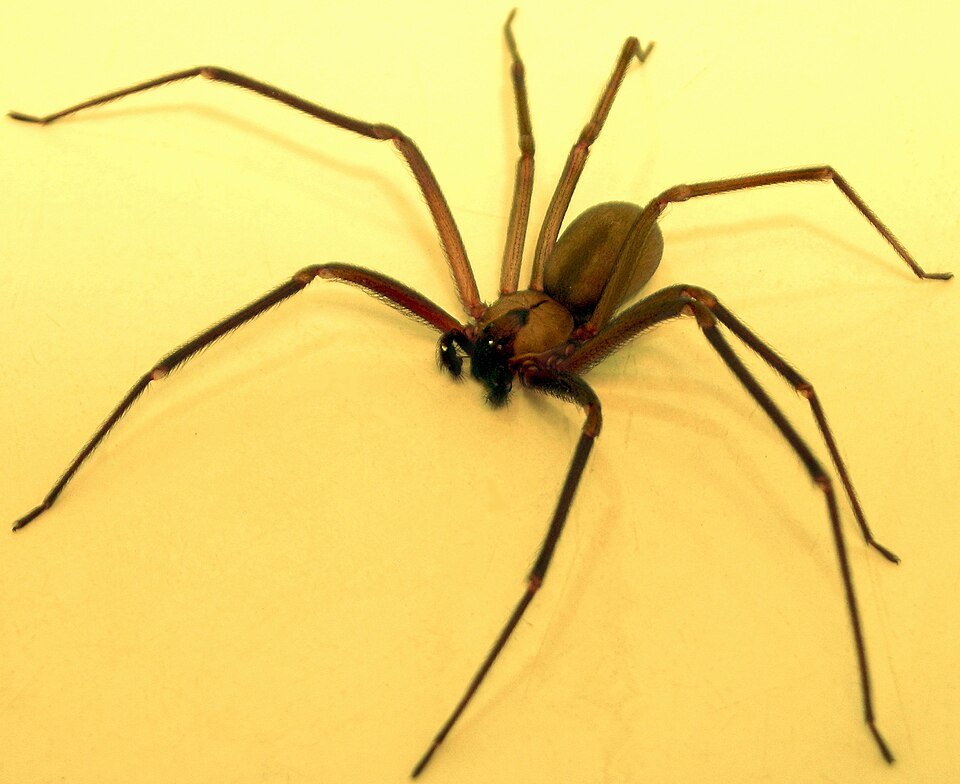
The recluse question deserves its standing answer: brown recluse are rare in Springboro, the new housing stock is the least likely place in the region to host them, and nearly every “recluse” photo we receive from this town is a wolf spider or a grass spider doing an impression. Send the photo before the panic — the ID is free and takes minutes.
Bending the Curve
Here’s the strategic close for a town full of houses aged one through ten: the colonization curve is not destiny, it’s a default — the path a house follows when nobody intervenes. Every early move compounds: the door sweeps installed in year one are still excluding wanderers in year eight; the lighting swapped in year two never recruits the webs it would have; the anchor points treated through the boom never harden into the permanent colonies that older untreated houses carry. Springboro’s newest neighborhoods have a genuine, expiring advantage — the chance to keep a spider population from ever fully establishing rather than evicting one that has. It’s the same early-mover logic that runs this town’s termite pretreatment clock and year-three ant reckoning: the cheap intervention is always the one made before the biology settles in. The full local file lives on our Springboro service page.
Find Your Year on the Curve
One walk-around dates your house’s spider ecology and names the next wave — then a program sized to your year, not a one-size subscription. Free photo ID anytime something eight-legged worries you.
Frequently asked questions
Why does my brand-new Springboro house suddenly have spiders?
Your house just hit a milestone on the colonization curve — usually year two’s first web-builders at the exterior lights, or year three’s boom as matured landscaping starts feeding a real insect economy. It’s the yard growing up, not the house failing.
What are the big fast spiders in my garage every fall?
Wolf spiders — the curve’s pioneers and its most persistent walk-ins, following the October temperature line indoors. They’re harmless hunters; door sweeps and threshold sealing stop the annual parade better than any spray.
Do exterior lights really cause spider problems?
They’re the single biggest recruiter — every all-night fixture is a prey fountain, and web-builders anchor where prey concentrates. Warm-spectrum bulbs and motion conversion in a house’s early years bend its whole spider trajectory downward.
Are there brown recluses in Springboro?
Rarely, and new construction is the least likely host in the region. Nearly every “recluse” photo we get from this town is a wolf or grass spider. The free photo ID settles it in minutes — send it before the panic.
Should I spray my new house preventively for spiders?
Not in year one — there’s nothing to treat and better moves available: door sweeps, lighting choices, and mulch discipline. Treatment earns its keep in the boom years, at the anchor points, as the waves actually arrive.
Why do webs come back days after I knock them down?
Because removal without treating the anchor zone just re-lists prime real estate — the site’s prey traffic hasn’t changed. Treated anchors plus lighting changes retire the site instead of re-renting it.
Do retaining walls and landscape boulders attract spiders?
They’re year-five infrastructure — funnel weavers colonize stone features as soon as the surrounding beds mature. A quarterly pass over walls and rock features keeps the colonies from hardening into permanence.
What does spider control cost in Springboro?
Flat-priced exterior programs sized to where your house sits on the curve — and an honest year-one answer when what you actually need is $40 of door sweeps and different bulbs, not a service contract.
One curve, five waves, and a standing offer: tell us your build year, and we’ll tell you what arrives next.