
Springboro’s termite story runs on a clock most homeowners have never heard of: the pretreatment expiry. Unlike the region’s older stock, this city’s housing was overwhelmingly built under modern code — soil-treated at construction, the builder’s termiticide barrier doing silent duty from day one — and that fact has quietly shaped local expectations: new town, treated slabs, termites somebody else’s problem. The catch is chemistry. Builder-era soil treatments degrade on a ten-to-fifteen-year arc, which means the great 1990s and 2000s waves of Springboro construction have been aging out of protection in sequence — subdivision by subdivision, on schedule — while the farmland conversion that built them displaced the natural colony network into whatever ground remained. A town that’s never thought about termites, arriving at the years when it should: that’s the file, and here’s the plan for it.
The Pretreatment Clock, Subdivision by Subdivision
- The chemistry arc: construction-era termiticides bind to soil and degrade — environmental exposure, soil turnover, and time taking the barrier from full strength to memory across ten to fifteen years. A 2005 build’s protection expired quietly around the mid-2010s; a 2015 build is aging out now.
- The disturbance discount: every post-construction project that moved soil at the foundation — the deck footings, the patio extension, the landscape regrade, the irrigation trenching — broke the barrier locally on day one, years ahead of the chemistry. The renovated perimeter is the unprotected perimeter.
- The displacement inheritance: the farmland and woodlot conversion that built each phase displaced its natural colonies into the preserved margins, stream corridors, and remaining tree lines — the same displacement arc as the city’s rodent file, running underground on a slower clock.
- The Main Street exception: the historic district’s early-1800s housing runs the opposite file — pre-pretreatment-era structures with two centuries of moisture history, inspected on the classic old-stock protocol.
Reading a Post-Pretreatment House
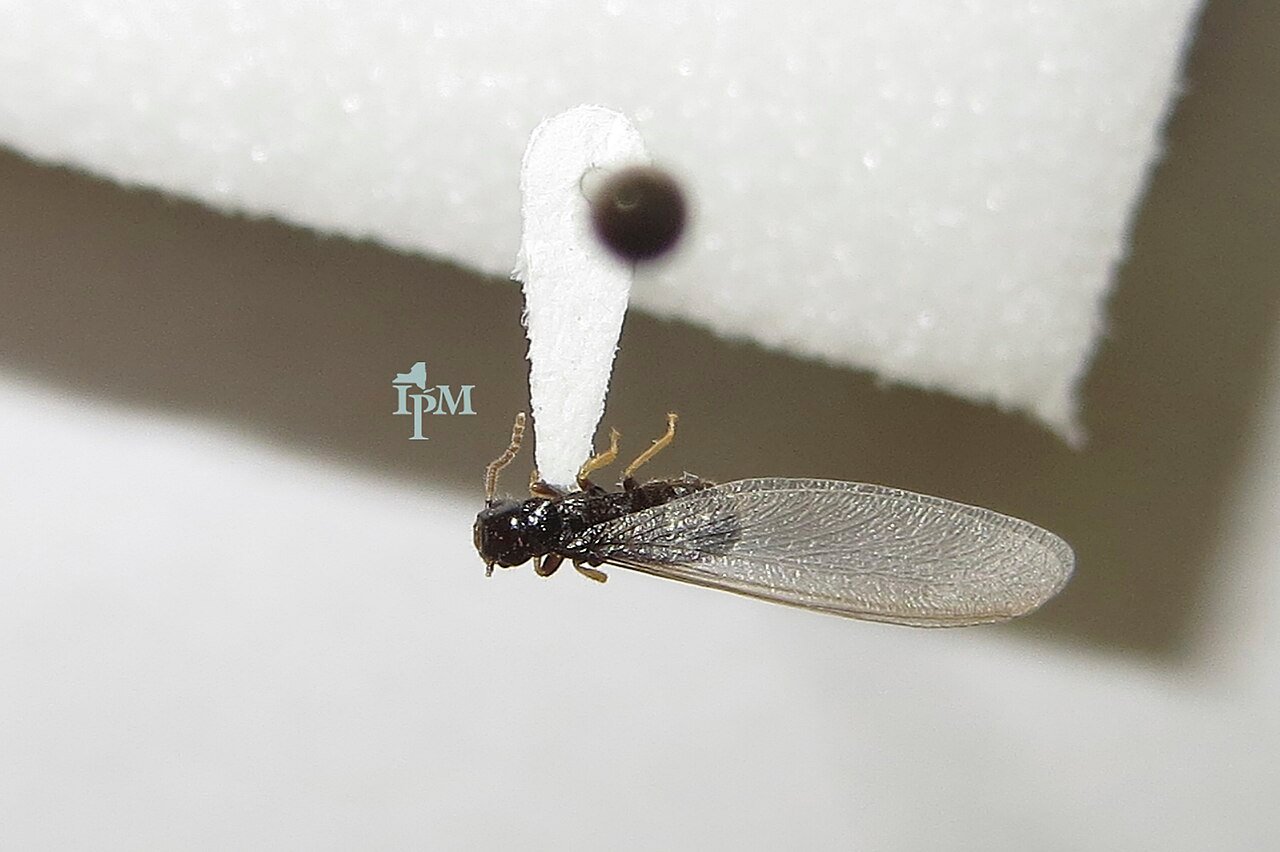
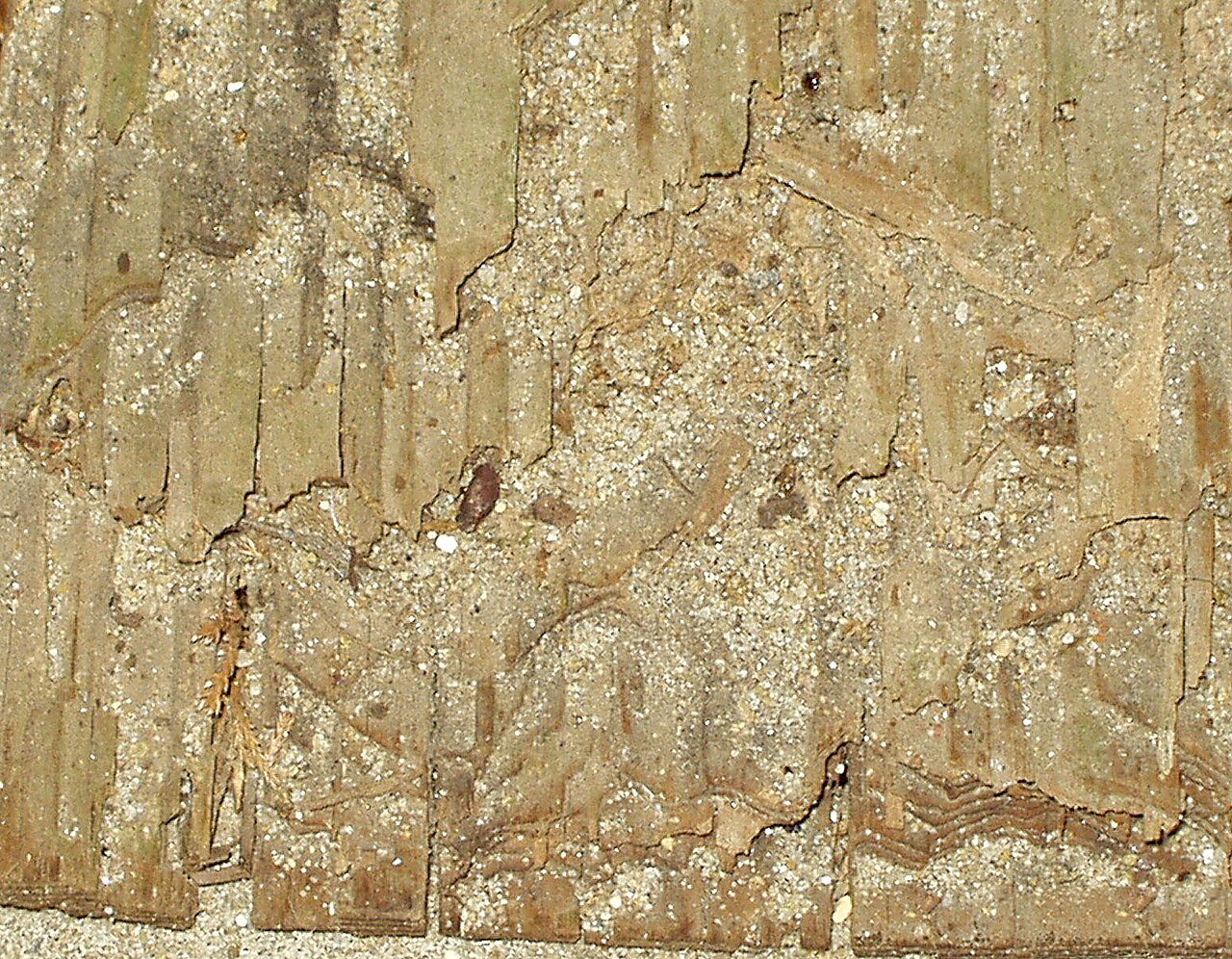
Because Springboro’s stock is overwhelmingly slab-on-grade, the evidence file runs indoor-first: swarmers and shed wings on March-through-May windowsills (the flying-ant check first — and in a town with the year-three ant schedule, most spring emergences here genuinely are ants, which is exactly why the check matters); baseboard evidence along exterior walls — bubbling paint, pinholes with soil crumbs, hollow trim; the garage’s slab joints as the best inspection room; and the bath trap behind its access panel. The risk-mapping questions are Springboro-specific: what year did the house — and its subdivision — go up (the pretreatment clock’s position), what’s been built or regraded at the foundation since (the disturbance map), and what does the lot back onto (preserved margins and stream corridors carry the displaced network). A 2003 build backing a tree line, with a 2015 patio extension, has three answers pointing the same direction — and has never once thought about it. The full evidence catalog stays at signs of termites.
Protection After the Barrier: the Bait-Ring Succession
The strategic question for a post-pretreatment town is what replaces the expired barrier, and the modern answer is better than the original: bait station rings — the in-ground perimeter that intercepts foraging colonies, collapses whichever one finds a station, and then stands permanent monitoring guard — succeed the builder’s barrier without re-trenching a finished landscape, and unlike the original treatment, they never silently expire: the annual service that maintains them is also the inspection that would catch anything else (the full case). Liquid soil treatment remains the answer for confirmed active infestations, applied at the foundation line and slab penetrations with modern non-repellent chemistry the original builders never had. The honest calibration for a low-history town: Springboro’s termite pressure is real but unhurried — the displaced network forages the margins, the aging-out subdivisions come into exposure gradually, and the right posture is succession planning rather than alarm: the ring installed at the fifteen-year mark (or the first renovation, whichever comes first), the annual inspection as the constant, and the flat published pricing that makes the whole decision a line item instead of a crisis. And the standing reassurances hold: termites eat slowly, same-hour contract pressure is theater, and no Springboro home will ever need a tent.
The Springboro Calendar and Bottom Line
Swarm season, March through May, delivers what discovery calls the town produces — most resolving to ants, the remainder warranting the this-week inspection indoor emergence always earns. Fall is bait-ring installation prime (pre-winter foraging finds stations fast, and it pairs naturally with the September audit calendar every Springboro file shares). Winter pauses nothing under a heated slab. The bottom line is the pretreatment clock made explicit: the builder’s barrier was real protection with a real expiry, most of the city has crossed or is crossing it, and the households that install the succession — ring plus annual inspection — convert a quietly accumulating exposure back into a solved problem. One flat price, the method at termite control — and the town’s whole ledger, ants through rodents, at Springboro pest control.
Is Your Subdivision Past Its Pretreatment Clock?
Build year plus renovations tells us in one call — free inspection, honest succession planning, and the ring that never silently expires. Flat-priced across Springboro.
Buying or selling in Springboro? What a lender, a VA file, or a listing agent asks for is not a treatment — it is a written report. That is a termite and WDI inspection in Springboro: $99 flat on the lender-ready NPMA-33, next business day, PDF the day we inspect. Treatment only enters the conversation if the report actually finds something.
Frequently asked questions
My Springboro house was treated for termites when it was built — am I covered?
Not anymore, most likely — builder-era soil treatments degrade across ten to fifteen years, so the 1990s and 2000s construction waves have been aging out of protection in sequence. A 2005 build’s barrier expired quietly around the mid-2010s.
Does building a deck or patio affect termite protection?
Directly — any project that moved soil at the foundation broke the builder’s barrier locally on day one: footings, regrades, irrigation trenches. The renovated perimeter is the unprotected perimeter, years ahead of the chemistry’s own expiry.
Are there even termites in Springboro?
Yes — the farmland conversion that built each phase displaced the natural colony network into preserved margins, stream corridors, and tree lines, where it forages on. Pressure is real but unhurried; succession planning, not alarm, is the right posture.
What replaces expired builder pretreatment?
A bait station ring — the in-ground perimeter that intercepts foragers, collapses colonies through shared bait, and stands permanent monitoring guard without re-trenching a finished landscape. Unlike the original barrier, its annual service means it never silently expires.
The winged insects on my sill — termites or the famous Springboro ants?
Run the check: straight antennae, thick waist, four equal wings mean termite; elbowed antennae and a pinched waist mean ant — and in a town on the year-three ant schedule, most spring emergences here genuinely are ants. Free photo verdicts settle every case.
When should a Springboro home install termite monitoring?
At the fifteen-year mark or the first foundation-adjacent renovation, whichever comes first — and fall is installation prime, when pre-winter foraging finds stations fast. Lots backing tree lines and stream corridors deserve the earlier date.
What termite signs show in a slab home?
Indoor-first evidence: spring swarmers and shed wings on windowsills, bubbled baseboard paint, pinholes with soil crumbs, hollow trim, and garage slab-joint evidence — plus the bath trap behind its access panel. Annual inspection carries the load the slab hides.
What does termite protection cost in Springboro?
Flat, published pricing — ring installation with annual service, or liquid treatment scoped to confirmed activity — with the free inspection first, transferable documentation for a market that trades briskly, and never a tent.