
“Palmetto bug” is the pest world’s most successful rebranding: a two-inch cockroach wearing a resort name. If you moved to Dayton from Florida, Georgia, or the Carolinas and just spotted a familiar mahogany giant in the basement — or if a Southern relative called your basement visitor a palmetto bug and you came here to find out what that means — the answer is short and clarifying: a palmetto bug is an American cockroach (with the term occasionally stretched over the smoky brown and Florida woods cockroaches down South), and Ohio has the American in quantity. Same insect, two names, one set of habits — and this page translates everything: where the name came from, which roach your Southern instincts are actually calibrated to, how the Ohio version behaves differently (mostly: it stays in the infrastructure), and the playbook that handles it here.
Where the name comes from (and what it politely avoids saying)
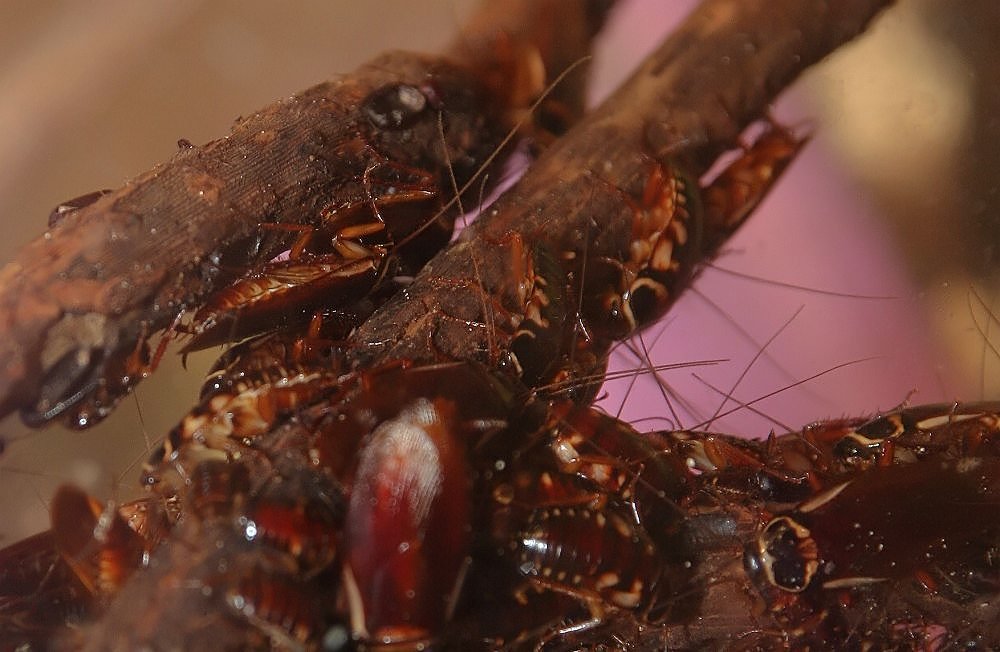
The term is Southern coastal in origin — the big roaches shelter by day under palmetto fronds and in the thatch of those iconic shrubs, and somewhere along the way “the bug from the palmettos” became the drawing-room-safe name for an insect nobody wanted to call a cockroach at a dinner party. Real-estate listings, hospitality, and generations of Southern politeness cemented it: a palmetto bug sounds like local color; a two-inch cockroach sounds like a problem. The entomology underneath is ordinary: across the South the name covers the American cockroach first (the reddish-mahogany two-incher with the pale figure-eight behind the head), the smoky brown cockroach in the Gulf states (darker, equally huge, more outdoor-tied), and sometimes the Florida woods cockroach (the slow “stinking roach” of actual palmetto thickets). Ohio simplifies the roster: of the three, only the American is established here — so every Ohio palmetto-bug story has exactly one suspect, already fully profiled across our roach wing.
Whatever the name, it is a cockroach, and it is treated like one — see cockroach control in Dayton.
The translation table: your Southern instincts, recalibrated for Ohio
What transfers: the insect — same species, same size, same startling glide from high perches (the “it FLEW at me” story works identically in both climates, and our do-cockroaches-fly page explains the clumsy physics). What changes is ecology. Down South, palmetto bugs live comfortably OUTDOORS year-round — mulch, palms, sewers, porches — and wander into well-kept houses constantly; a Southern palmetto sighting is weather, not evidence. In Ohio, winter kills outdoor populations, so the American cockroach survives in the heated infrastructure — sewer mains, steam tunnels, basements, boiler rooms — and reaches your house through the routes our where-do-roaches-come-from guide maps: dry floor-drain traps above all, plus sewer-line gaps and summer foundation walks. The practical consequence: the Ohio palmetto bug is a plumbing message, not a weather report. One in the basement in August is a drain-trap check; several after a sewer backup is an infrastructure event; and none of it carries the Southern fatalism — here, the routes close, and closed routes stay closed.
Palmetto bug vs. cockroach: settling the search that brought you here
The comparison queries deserve their direct answers. “Palmetto bug vs. cockroach”: not a versus — every palmetto bug IS a cockroach; the name is regional courtesy, not taxonomy. “Palmetto bug vs. American cockroach”: synonyms in Ohio usage, full stop. “Palmetto bug vs. German cockroach”: the distinction that actually matters — the palmetto/American is the big (1.5–2”) mahogany infrastructure tourist that wanders in as individuals; the German is the small (half-inch) tan-striped KITCHEN COLONIST that breeds indoors by the hundred. Size and venue separate them at a glance, and the treatment programs share almost nothing: Americans get drain-trap discipline and sealing; Germans get the gel-bait-and-IGR campaign of our how-to-get-rid-of-roaches doctrine. Mistaking one file for the other wastes every dollar spent — the two-second size check (bigger than a quarter = palmetto/American; smaller, with racing stripes = German) routes the whole response correctly.
The Ohio playbook (familiar to readers, translated for transplants)
The program that handles palmetto bugs here is the American-cockroach infrastructure stack, unchanged: a quart of water into every floor drain monthly (the dried P-trap is the number-one door — add a spoonful of mineral oil to slow evaporation), sump pits sealed with gasketed lids, door sweeps and foundation gaps closed (the summer wanderers’ route), basement dehumidified (the species follows moisture), and — for the recurring cases — the professional inspection that traces sewer-line breaches and maps the routes homeowner flashlights miss. What the Ohio version does NOT need: the perimeter-spray arms race Southern households run against outdoor populations (ours die at frost), the fatalism (“they just come in down here” is a Florida truth and an Ohio myth), or any panic at the singular tourist — the one-roach-in-August event is the drain check’s cue, not an infestation’s announcement. Transplants consistently over-prepare for the wrong war; the Ohio campaign is shorter, cheaper, and actually winnable.
The bottom line
A palmetto bug is an American cockroach in vacation clothing — same two-inch mahogany glider, same startled-glide theatrics, same infrastructure habits, wearing a name the South invented to avoid saying “roach” near company. Ohio’s version lives in the sewers and boiler rooms rather than the shrubbery, arrives through dry drains and summer gaps rather than the porch screen, and yields completely to the water-in-the-traps, seal-the-seams program the roach wing documents end to end. Translate the name, keep the instincts, drop the fatalism — and file the visitor where it belongs: (937) 569-3330 for the recurring cases, the origins guide for the routes, and a quart of water down the basement drain tonight either way.
The transplant’s field guide: Southern pest instincts, audited for Ohio
Since palmetto-bug searches skew heavily toward recent arrivals, the wider translation table — which Southern pest reflexes transfer and which retire at the state line. Retire: fire-ant vigilance (no established Ohio colonies — the mound-checking habit can relax, per our fire-ants page), scorpion boot-shakes (absent here; the page exists for the curious), love-bug windshield season, and the palmetto fatalism this page just addressed. Transfer intact: termite respect (Ohio’s eastern subterranean runs the same stakes as the South’s — the free annual inspection habit is worth keeping), German-roach cardboard discipline (importation biology is national), and mosquito container-patrol (the tiger mosquito made the same northward move you did). Acquire new: the fall-invader calendar (stink bugs, lady beetles, and boxelders will be a genuine novelty after Southern falls — the September seal-and-barrier program is Ohio’s signature homework), the October rodent rush (field mice at first frost, at a scale Southern suburbs rarely see), and the drain-trap monthly ritual this page’s subject enforces. The full onboarding lives across the library — two hundred pages of it — and the phone line does free translation daily: describe the bug in whichever region’s vocabulary you own, and we will name it in Ohioan.
Frequently asked questions
What is a palmetto bug exactly?
A regional Southern name for large cockroaches — the American cockroach first and foremost, with smoky brown and Florida woods cockroaches sharing the label in the Gulf states. It is courtesy vocabulary, not a separate species: every palmetto bug is a cockroach.
Are palmetto bugs in Ohio?
The insect, yes — the American cockroach is established in Ohio’s sewers, basements, and heated infrastructure; only the name stayed South. An Ohio “palmetto bug” sighting is an American cockroach sighting, fully covered by our roach wing.
Is a palmetto bug the same as a cockroach?
Identical — “palmetto bug vs. cockroach” has no versus; the name exists because Southern politeness preferred not to say roach. The only comparison that matters is American (big, wandering) versus German (small, colonizing), and that one changes the whole treatment.
Do palmetto bugs fly?
They glide — clumsily, from high perches, occasionally toward light and memorably toward faces; true powered flight is beyond them in practice. The startle is real; the aerial menace is not, per our do-cockroaches-fly page.
Do palmetto bugs bite?
No meaningful bite toward humans — the species’ offenses are contamination-grade (allergen debris, bacteria-tracking) and theatrical (the glide, the sprint, the size). The health file justifies control; the danger file stays empty.
Why do I have palmetto bugs in my Ohio basement?
Infrastructure routes: a dried floor-drain trap is the classic door (a quart of water monthly closes it), with sewer-line gaps and summer foundation wandering behind it. One August tourist = check the traps; recurring visitors = the sealing-and-inspection program.
What kills palmetto bugs?
The infrastructure program outranks any product: wet drain traps, sealed sumps, closed gaps, dry basements — then targeted treatment where evidence persists. Sprays kill the individual and leave the route open; the route is the problem.
How big is a palmetto bug?
Adult American cockroaches run 1.5 to 2 inches with full wings — Ohio’s largest roach and the source of every “giant roach” basement story. Anything half-inch and tan-striped is a German cockroach: a different insect and a far more urgent file.
Are palmetto bugs a sign of a dirty house?
No — the standing verdict from our origins guide: infrastructure roaches arrive via drains and gaps regardless of housekeeping. The cleanest basement with a dry P-trap gets exactly as many as a cluttered one.
What do Ohioans call palmetto bugs?
American cockroaches, water bugs (the local euphemism — our water-bugs page unpacks it), or simply “those giant basement roaches.” Three names, one insect, one program — and the free photo ID line answers to all of them: (937) 569-3330.
A short cultural history of not saying “cockroach”
The palmetto bug belongs to a grand tradition: the pest euphemism, and the American South is its Louvre. “Water bug” performs the same service for Northern basements (our page on it runs the identical unmasking); Florida real-estate listings perfected “the occasional palmetto bug” as a disclosure that discloses nothing; hospitality trained generations of staff to hear “roach” and say “palmetto”; and entire regional identities formed around the shared fiction — ask any Southern transplant to recall the first time a dinner guest screamed at what the hosts serenely called “just a palmetto bug.” The linguistics matter to pest control more than they should: euphemisms delay accurate reporting (callers describe “a big beetle” or “some kind of water bug” for what a photo reveals in seconds), soften urgency where urgency is warranted (a German roach called anything else loses its head start), and occasionally inflate it (the harmless wood roach at the porch light, promoted to “palmetto invasion”). Our standing fix is the library’s oldest habit: skip the vocabulary debate, send the photo, get the species — the insect answers to its Latin name and to no regional courtesy whatsoever. The bugs never read the listings anyway.
Welcome to Ohio, in any case — where the palmettos are absent, the palmetto bugs are plumbing, and the pest library speaks every dialect: (937) 569-3330, translations free.
The eight-county palmetto report
Where the polite name’s owner actually turns up on our routes: the urban cores — Dayton proper, the river towns, old Kettering — run the classic infrastructure files, clay laterals and century floor drains delivering the August basement tourist on schedule; the transplant-dense suburbs — Beavercreek, Centerville, Springboro, Mason-adjacent Warren County — supply most of the actual “palmetto bug” vocabulary on our call log, Southern relocations meeting Ohio plumbing; and the farm counties contribute the outbuilding variant, where boiler rooms and dairy-barn drains host the same species under its third alias (“those big barn roaches”). Every county shares the season — high summer for the wanderers, post-backup clusters year-round — and the resolution: the drain-trap ritual, the sealing pass, and for the stubborn addresses, the inspection that follows the plumbing to the source. The name changes at the county line and the state line both; the fix never does.
Case translated and closed: the palmetto bug keeps its Southern accent, loses its mystery, and meets the same quart of water every American cockroach in Ohio eventually does. Y’all’s basement is going to be just fine.
And for the rest of the family reunion — the water bug, the giant roach stories, the drain-and-sewer routes — the roach wing’s doors are all open, one link and one honest name at a time.
Drain watered, name retired, tourist evicted — welcome home.
The South sends its regards; Ohio sends the caulk gun.
Both parties, for once, entirely satisfied.