
Oxford transactions do not look like the rest of Butler County. A large share are investment purchases of student rental property, and another meaningful share are parents buying a house or condo for a student to live in for four years and then reselling it. Both of those buyers are frequently out of the area, both are financing, and both need the same document a lender always wants: $99 flat on the lender-ready NPMA-33, next business day, PDF the day we inspect, paid at booking or on the settlement statement.
Buying a Property You Will Not Live In
An owner-occupant walks a house repeatedly, notices things over time, and develops a feel for it. An investor or a parent buyer often sees the property twice, both times briefly, sometimes with tenants still in place and belongings covering the floors and walls. That is a genuine information gap, and it is the specific gap a WDI report is good at closing on the wood-destroying insect question.
It matters more on Oxford’s older rental stock than it would on a newer house. Long-term rentals accumulate deferred maintenance in exactly the places termites reward — a porch that has been settling for a decade, a basement window that has rotted at the corner, grade that has crept up against the sill after years of nobody re-landscaping, and additions from three different eras. None of that is visible in a twenty-minute showing with furniture in the way.
The report is also a document you can hand to a lender, a partner, or an insurer without translating it. That is worth something to a buyer who is managing the purchase remotely and cannot simply drive over to look at something themselves.
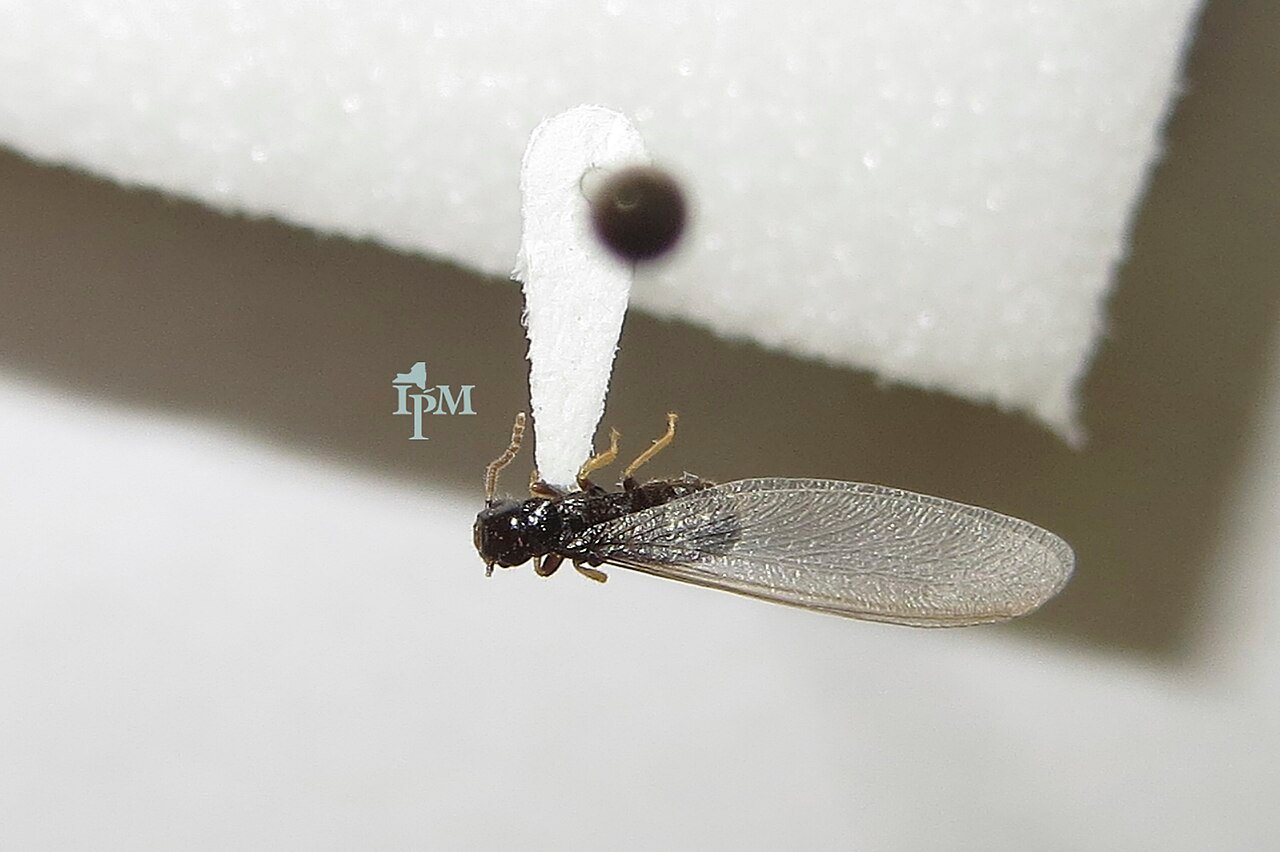
What the NPMA-33 Actually Is
The NPMA-33 is the national standard wood-destroying insect inspection report. It answers a narrow set of questions in a fixed structure: whether visible evidence of wood-destroying insects was observed, whether that evidence is live or previous, what conducive conditions exist, and which areas of the structure were obstructed or inaccessible. Underwriters read them quickly because every one is laid out identically.
The obstructed-areas section matters unusually much on occupied student rentals. A basement being used for storage, a crawl hatch behind stacked furniture, a bedroom that could not be accessed because somebody was asleep in it — those are real limitations and the form exists so they get stated honestly rather than glossed over. A report claiming complete visibility of an occupied four-bedroom rental is a report somebody did not think carefully about.
It is also not a home inspection. A WDI report covers wood-destroying insects only — termites, carpenter ants, powderpost beetles, and wood-boring beetles. On a hundred-year-old property you want a general home inspection alongside it. This one answers a single question, in writing, on a form a lender accepts without argument.
Timing Around the Academic Year
Oxford has a transaction rhythm the rest of the county does not. A great deal of rental property changes hands in the window between the end of the spring semester and the start of the fall one, because that is when a building can be shown, inspected, repaired, and turned over without tenants in it. That compresses a lot of inspection demand into May, June, and July.
The practical advice is to book earlier in that window rather than later. Next business day scheduling holds in most weeks, but late July into August is the tightest period of the year here, and it is also when a delayed report is most likely to collide with a closing date and a lease start date at the same time.
The other timing note is about swarms. Termite swarms happen in March, April, and May, which is inside the spring semester. If a tenant reported winged insects or a pile of shed wings before moving out, mention it when you book — it changes where we concentrate the inspection, and it is exactly the kind of detail that gets lost between a departing tenant and a new owner.
- $99 flat — same price for a century house with three foundation types as for a condo.
- Next business day in most weeks; book earlier in the summer turnover window.
- PDF the day we inspect, sent to agent, lender, title, or an out-of-area owner directly.
- An Ohio-licensed applicator performs the inspection, not a general inspector adding a checkbox.
- Obstructed areas stated honestly — which on an occupied rental is the meaningful part.
Conducive Conditions on a Rental Property
This is the section of the report that tells an investor what the previous fifteen years of maintenance looked like, and it is worth reading properly rather than skipping to the yes-or-no line. Conducive conditions are property features that make future termite activity more likely. They are not evidence that anything is happening now, and on a long-held rental there are usually several.
The entries that repeat here are predictable: grade that has crept above the original sill line because nobody has re-landscaped in a decade, mulch and soil banked against masonry, wood-to-soil contact at porch posts and basement stairs, downspouts discharging directly at the foundation, firewood or lumber stored against the house, and dense overgrown plantings holding moisture against the wall. Each one is cheap to correct and each one has been quietly raising risk.
For a buyer that section is effectively a first-year work list, and addressing two or three items meaningfully reduces the odds of ever needing a treatment. For a seller it is worth handling before listing, because a report with six conducive conditions reads very differently to a cautious buyer than one with two, even when both say no evidence of insects.
What the Inspection Covers on an Older Property
The exterior perimeter at the soil line comes first, because subterranean termites have to cross it. Grade that has crept above the original sill line gets noted, as does mulch or soil banked against masonry, wood-to-soil contact at porch posts and basement stairs, and downspouts discharging directly at the foundation — all common on properties where landscaping has not been touched in fifteen years.
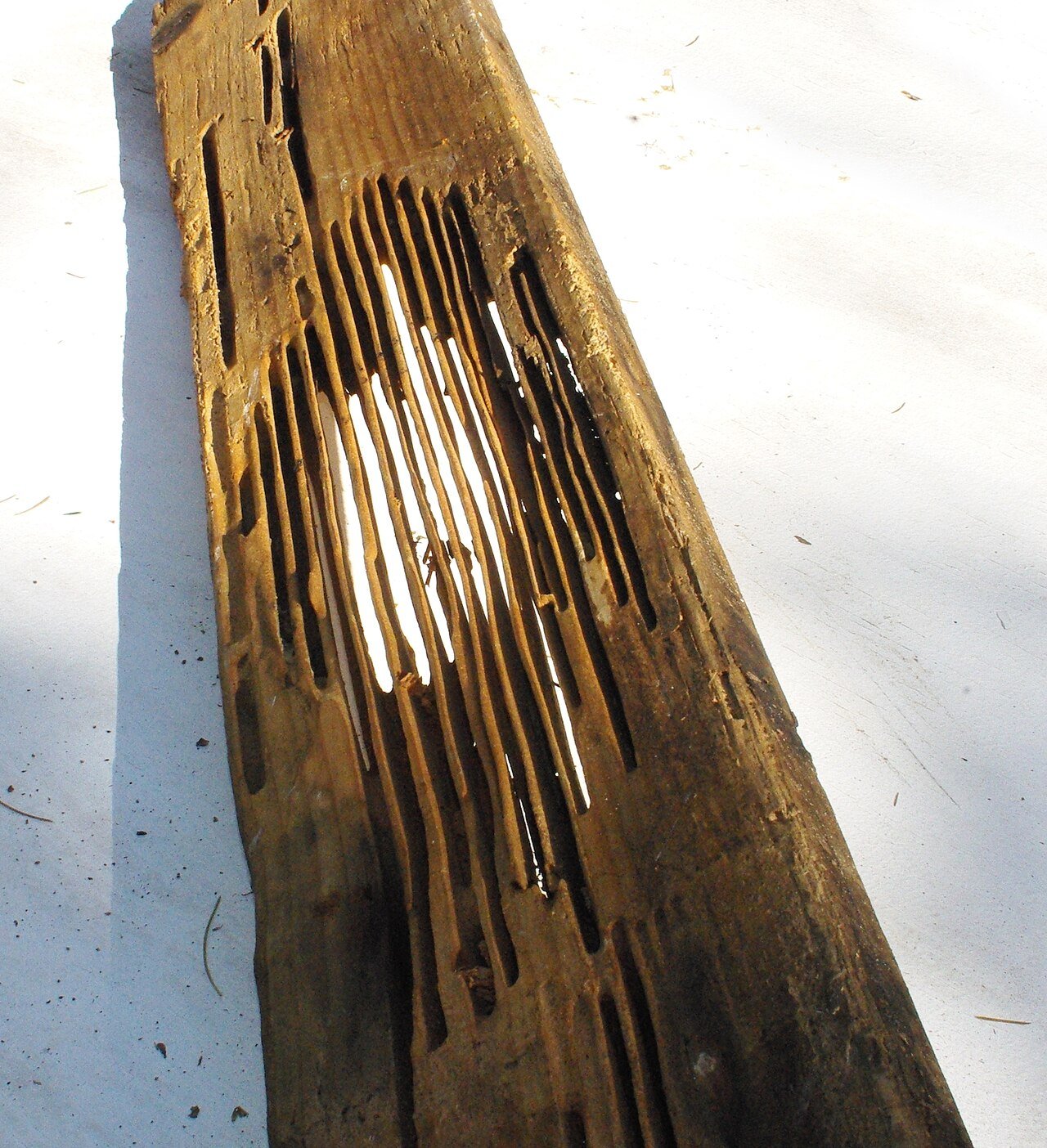
Inside, the basement carries the work. Sill plates get probed where reachable, joist pockets in stone or brick walls get examined specifically because that is where damage most often hides in this housing stock, and any dirt-floor section or crawl beneath an addition gets entered if it can be. Mud tubing on foundation walls and piers is the most direct evidence and the first thing looked for.
Old evidence is a normal finding on a house of this age rather than an alarming one. What the report has to do is separate clearly what happened decades ago from what is happening now, because a lender reads those two things very differently and a purchase can turn on the distinction.
Across Butler County
Hamilton southeast has comparable historic stock, College Corner is west on the state line, and Eaton is north in Preble County. Several properties in one area usually fit on a single morning, which suits owners buying more than one.
If the report finds something, termite control in Oxford covers what treatment involves on this housing stock.
Frequently asked questions
How much is a termite inspection in Oxford?
$99 flat. That is the lender-ready NPMA-33, next business day in most weeks, and a PDF delivered the day we inspect. Same price for a century house with three foundation types as for a condo. Pay at booking or on the settlement statement.
I am buying from out of state. How does that work?
Straightforwardly. We inspect, and the signed PDF goes directly to whoever needs it — you, your agent, the lender, or the title company — the same day. You do not need to be present, and we are used to reporting to owners who are managing a purchase remotely.
The property has tenants in it. Can you still inspect?
Yes, with access arranged. Occupied rentals do limit what is visible — storage in the basement, a crawl hatch behind furniture, a room that could not be entered — and the report records those limitations honestly in the obstructed-areas section rather than implying full visibility.
When should I schedule during the summer turnover?
Earlier in the window rather than later. Next business day holds in most weeks, but late July into August is the tightest period of the year here, and that is also when a delayed report is most likely to collide with both a closing date and a lease start.
A tenant mentioned winged insects in the spring. Does that matter?
A great deal, and it is exactly the detail that gets lost between a departing tenant and a new owner. Swarmers indoors indicate a mature colony in or under the structure. Mention it when you book and we will concentrate the inspection accordingly.
Is a WDI report required for a VA loan?
VA purchases in Ohio require a wood-destroying insect report. FHA and conventional files order it case by case, and on housing stock this old the decision leans toward ordering it. Investment purchases vary by lender, so ask early.
Is this the same as a home inspection?
No. A WDI report covers wood-destroying insects only. On a property of this age you want a general home inspection as well — they answer entirely different questions and neither substitutes for the other.
The house is from 1890. Will it fail?
A WDI report is not pass or fail; it documents what was observed. Old, previously treated evidence is common and explainable in a house that age, and the report distinguishes it clearly from live activity, which is the distinction a lender actually cares about.
The report lists several conducive conditions. Is that a problem?
Not a finding of insects — they are features that make future activity more likely, and on a long-held rental several are normal. Grade crept above the sill line, mulch banked against masonry, wood-to-soil contact at porch posts, downspouts at the foundation. Most are cheap to correct, and for a buyer that section is effectively a first-year work list.