A stone cellar two blocks from the Golden Lamb and a 2023 build off Route 48 share a county, a zip code, and almost nothing else where spiders are concerned. The historic district has residents — populations that have held the same basements since the brick went up, living on a humidity the stone maintains for them. The growth ring has arrivals — hunters and web-builders walking in off Warren County farmland on a seasonal clock. Same town, same species list, two genuinely different jobs, and the fastest way to waste money on spider control in Lebanon is to buy the treatment built for the other half of town.
Downtown: The Residents
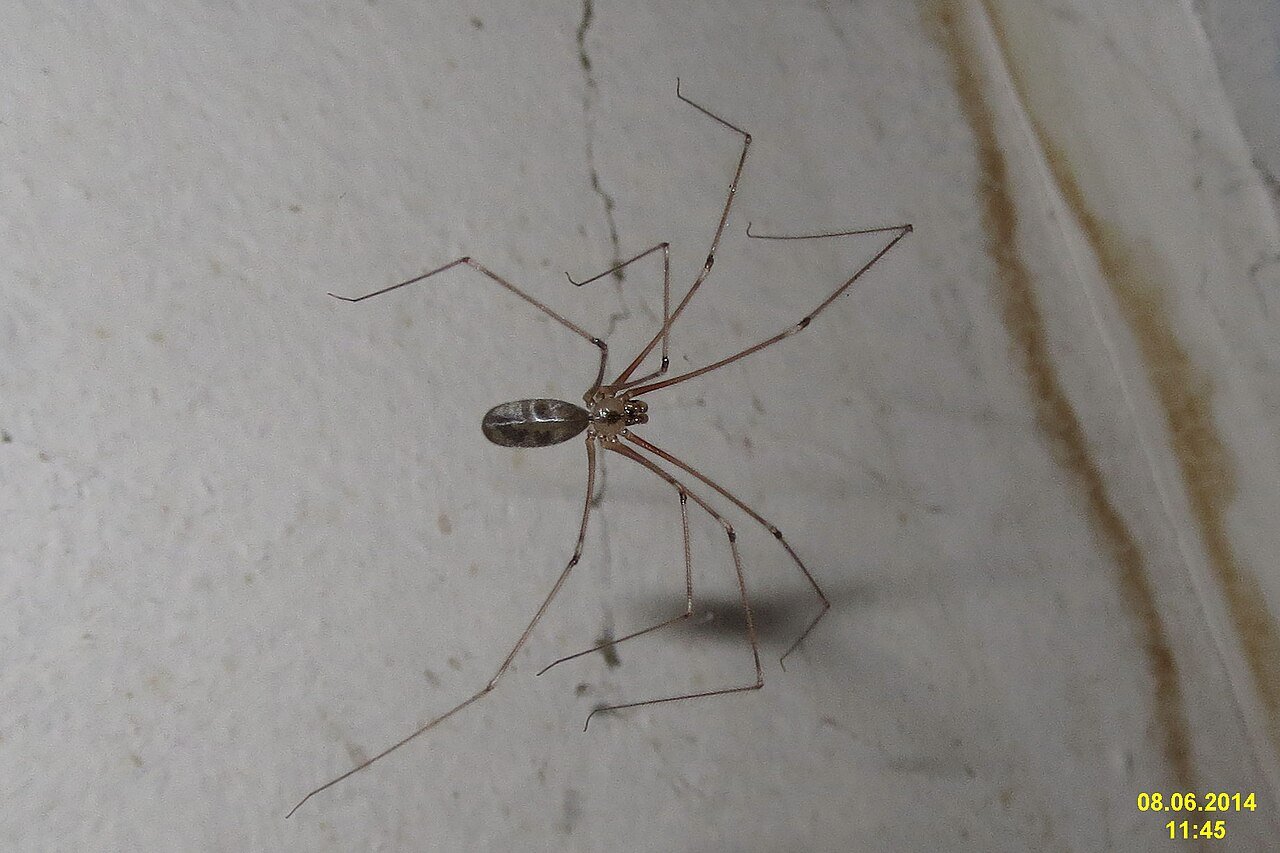
Around the Golden Lamb, the Federal and Victorian brick sits on stone cellars with nineteenth-century sewer laterals running out of them, and those cellars are cool and damp every month of the year. That single fact decides the whole spider picture: cellar spiders do not need your porch light, do not migrate, and do not care what season it is. They hold position in the ceiling joists and corners, feeding on what comes up from the floor drain and off the walls — including other spiders, which is why a healthy cellar spider population tends to suppress the ones people actually mind.
The historic district adds two complications the growth ring never sees. Shared commercial walls mean the stockroom next door is part of your building’s ecosystem whether or not it is part of your lease — relevant for the downtown restaurant and retail row, where a stone cellar meeting a stockroom is also a health-district conversation. And the original stone and mortar joints offer more harborage per square foot than any modern foundation, so the colonies are genuinely established rather than opportunistic. Treatment here is interior and structural: de-webbing with egg-sac removal, targeted work in the joints and voids, and an honest conversation about moisture, because a dehumidifier and graded downspouts will do more for a stone cellar than any product we carry.
The Growth Ring: The Arrivals
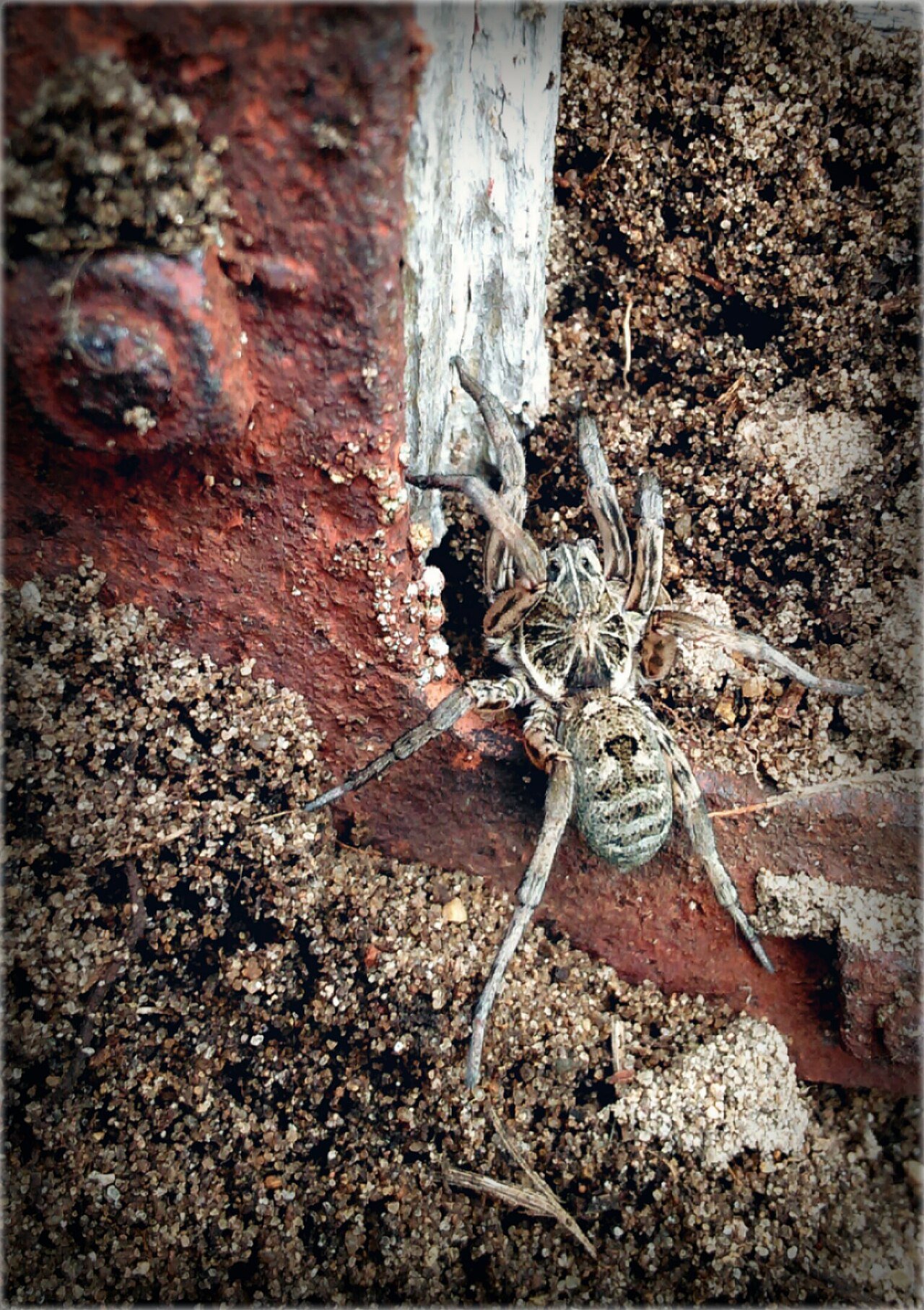
Phase after phase of new construction has pushed Lebanon out into farmland along 48, 63, and the Turtlecreek Township roads, and a farm-edge lot runs an entirely different spider economy. The field is an insect factory. Every harvest and every mowing cycle pushes that biomass toward the nearest structure, and the house sitting at the margin collects it — orb weavers stringing the field side and the deck rails through late summer, funnel weavers colonizing the new landscape walls and boulders as soon as the beds mature, and wolf spiders walking in across the garage floor when the October temperature line moves.
None of those are permanent residents. They are recruited, which is the strategically useful part: arrivals respond to things you control. Exterior lighting is the biggest lever on a farm-edge lot — an all-night white fixture facing a field gathers prey nightly, and web-builders anchor where prey concentrates, so the fixture decisions made in a house’s first two summers set its spider trajectory for a decade. Door sweeps and threshold sealing handle the ground-hunters. And prey reduction at the perimeter is what actually collapses a spider population, because spiders are a symptom of an insect supply before they are a problem of their own.
The Recluse Question
It deserves a standing answer in a county with this much new construction: brown recluse are rare here, and nine out of ten “recluse” photos sent to us from the Lebanon area are wolf spiders or funnel weavers. Send the photo before the panic — the identification is free, takes minutes, and a genuine recluse issue calls for a specific crack-and-crevice program rather than the standard perimeter.
What Service Looks Like in Each Lebanon
The components are the same; the emphasis is what changes between the two halves of town.
- De-webbing, including egg sacs — webs and sacs physically removed from eaves, corners, and fixtures. Every egg sac taken down is dozens of spiders that never hatch, and it is the step that matters most downtown.
- Perimeter treatment at foundations, door thresholds, window frames, and weep holes — the arrivals program, and the heart of the job on a farm-edge lot.
- Prey reduction, which is the part that actually makes a spider population collapse. Treat the insect supply and the spiders leave on their own.
- Lighting counsel — spectrum and motion changes at the fixtures doing the recruiting. The cheapest intervention available on a new build, and the one with the longest tail.
- Moisture counsel downtown, where it outperforms chemistry: a dehumidifier and graded downspouts change what a stone cellar can support.
- Free photo identification, anytime something eight-legged worries you — no visit required.
Two Centuries, One Decade, One Crew
Lebanon holds both ends of the housing timeline more dramatically than any town we serve, and spiders read that timeline more legibly than most pests — a permanent colony in 1880s stone, a seasonal recruitment problem in a yard that was soybeans five years ago. The same crew covers both in a day, swapping egg-sac work in a cellar for a lighting audit on a field margin between stops, and that range is the whole point of a route built on this town. The full local file lives on our Lebanon pest control page.
Residents or Arrivals? One Walk-Around Tells Us
We take the word exterminator as a compliment in Lebanon — it means somebody wants the problem gone rather than managed. One walk-around names which spider problem you actually have and prices the program that fits it. Free quote, no travel charge, and a straight answer when what you need is a dehumidifier rather than a service.
Frequently asked questions
What are the long-legged spiders all over my basement ceiling?
Cellar spiders — the ones everyone calls daddy longlegs. In Lebanon’s stone-cellar housing they are the default resident, and they are harmless to people: no medically significant bite, no interest in your living space, and a diet made largely of other spiders and the insects coming off the floor drain. The messy-looking tangle is a trap line, not neglect. If you can live with them they are arguably doing you a favor; if you cannot, the fix is de-webbing plus egg-sac removal and a moisture correction, not a spray.
I think I saw a brown recluse. Should I be worried?
Probably not, but send the photo and we will settle it for free in minutes. Nine out of ten “recluse” photos we are sent turn out to be wolf spiders or funnel weavers doing a convincing impression. A genuine recluse situation calls for a specific crack-and-crevice program, and we will be straight with you about which of the two you have rather than selling the scarier one.
Why do big fast spiders show up every fall?
Those are wolf spiders and male house spiders wandering for mates and warmth as the nights cool — arrivals, not residents. They are hunters with no web and no intention of staying. Door sweeps and threshold sealing stop the annual parade far better than any spray, which is why we would rather sell you the sealing.
Will a perimeter spray fix my stone cellar?
Honestly, no — and this is the most common mismatch we see in the historic district. A perimeter treatment is designed to intercept arrivals crossing a threshold. Cellar spiders are already inside and have been for generations, living on a humidity level the stone itself maintains. What moves the needle down there is de-webbing with egg-sac removal, targeted work in the voids and joints, and lowering the humidity: a dehumidifier and properly graded downspouts outperform anything we could spray.
Our new build backs onto a field. What is the one thing to do?
Audit the exterior lighting before your second summer. Every all-night white fixture is a prey fountain, and web-builders anchor wherever prey concentrates — so the bulbs you choose now recruit the webs you will be knocking down for the next decade. Warm-spectrum bulbs and motion conversion, plus door sweeps before October, outperform years of spraying and cost a fraction.
Do exterior lights really cause spider problems?
They are the single biggest recruiter on a farm-edge lot. Spiders do not come for the light; they come for the insects the light gathers, and a bright fixture over a field edge concentrates an enormous amount of prey in one place every night. Change the fixture and the web site stops being worth occupying.
Why do webs come back days after I knock them down?
Because knocking down a web without treating the anchor zone just re-lists prime real estate — the prey traffic that made the spot valuable has not changed. Treated anchor points plus a lighting change retire the site instead of re-renting it, which is why de-webbing alone is a chore rather than a solution.
What does spider control cost in Lebanon?
Free quote first, and most homes are a single perimeter service with seasonal re-treatment available for spider-prone properties, backed by the guarantee. Lebanon sits at the southern end of our loop with no travel charge — the only practical difference is that it is worth booking a day ahead rather than same-morning. And if your real answer is a dehumidifier and different bulbs, we will tell you that instead of selling a contract.
Tell us the year your foundation was poured and whether it is stone or poured concrete. In this town, those two facts predict your spiders better than anything else you could tell us.