
Bellbrook’s mice run on a calendar its oaks publish a year in advance. The wooded lots and Sugarcreek corridors that define this town are heavy with oak and hickory, and every few years those trees do what oaks do: mast — a synchronized, super-abundant acorn crop that carpets lawns, dents car hoods, and quietly finances the biggest rodent population boom the local ecosystem can produce. Rodent control in Bellbrook is unusually predictable because of it: a heavy acorn fall means a banner white-footed mouse spring, which means a heavy indoor push the following autumn — a chain of consequences that takes eighteen months to arrive at your garage and can be read, for free, from your own driveway in October. We call it the mast calendar, and households that learn to read it get the rarest thing in pest control: a year’s honest warning.
How the Calendar Runs
The chain is simple ecology. Mast year: oaks across the region synchronize a bumper crop — an evolutionary strategy to swamp seed predators — and the woodland floor becomes a granary. Winter one: white-footed and deer mice, the wooded lot’s resident species, overwinter fat on the surplus with survival rates far above normal. Spring and summer: the well-fed survivors breed early, often, and successfully — litters stack, and by late summer the woods carry several times their usual mouse population. Autumn two: the boom meets the first cold snap, the woods’ carrying capacity snaps back, and the overflow moves — into the garages, crawl spaces, and basements of every house within commuting distance of a treeline, which in Bellbrook is every house. Our call volume here tracks that eighteen-month rhythm with almost embarrassing fidelity: the autumn after a mast autumn runs double the pressure, every cycle.
Reading Your Own Oaks
The driveway forecast: in October, look down. A normal year drops scattered acorns you step around; a mast year carpets the pavement — you sweep, you rake, the gutter guards clog with them, and everyone on the street comments. That’s the signal, and it buys you a year. The response isn’t panic; it’s scheduling: book next year’s exclusion work — the garage gasket corners, utility penetrations, and crawl-vent screens — for the summer before the wave, and put the monitor stations out in early September instead of after the first scratching. Prevention timed to the calendar costs the same as prevention timed randomly; it just works several times better, because it’s standing at the door when the crowd arrives.
The Bellbrook Program
- The mast-year advisory: we track the region’s crop and tell our route honestly — this is a schedule-ahead year, or it isn’t
- Pre-wave exclusion: the standard wooded-lot kit — gasket corners, penetration collars, vent screens, deck-skirting checks — done in the calm summer before a boom autumn
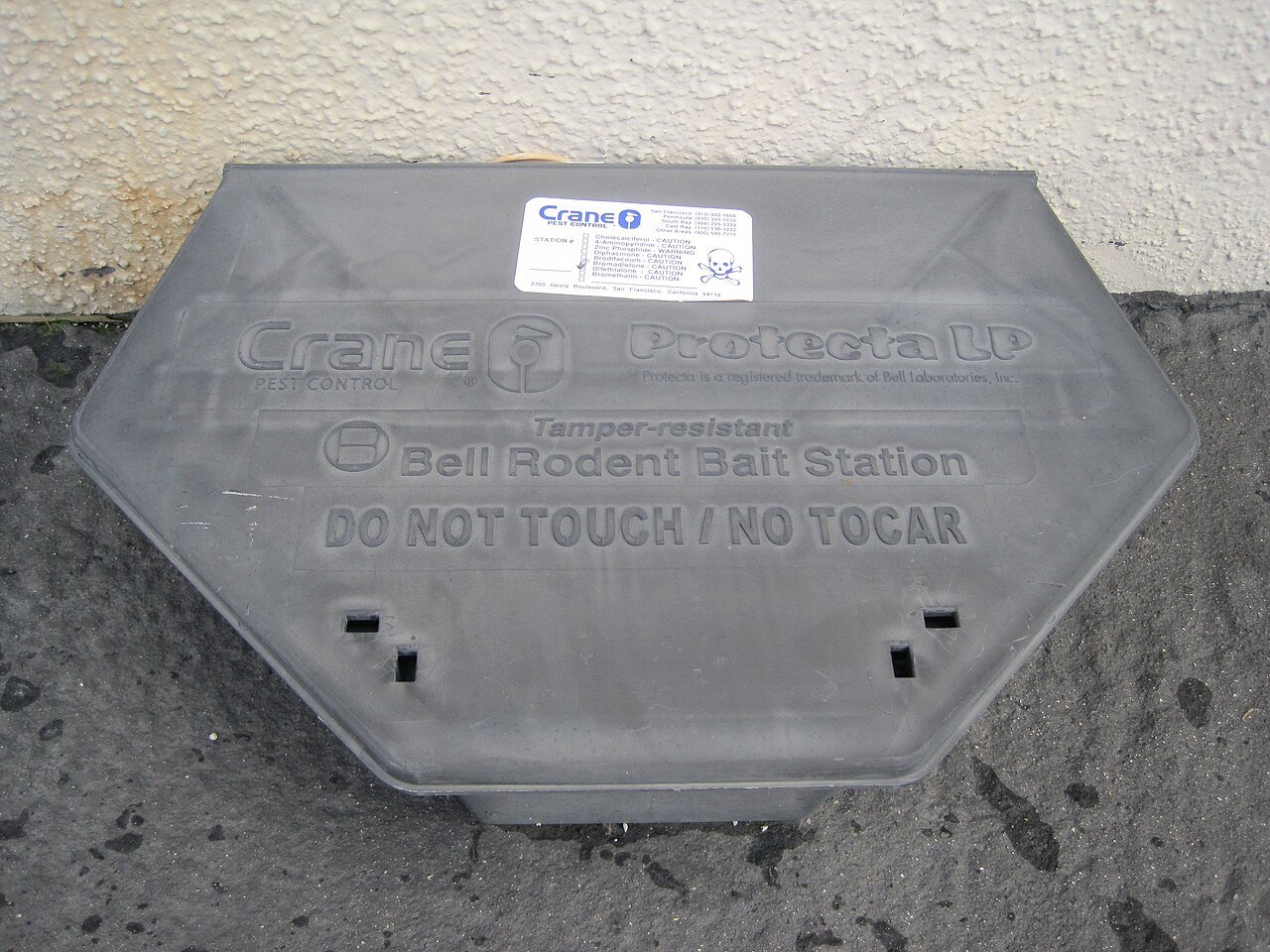
- September stations: monitor-and-bait lines placed on the commute routes ahead of the push, read through the winter
- The white-footed caveat: the wooded species carry hantavirus risk in droppings — heavy accumulations in sheds and crawls get wet-method cleanup counsel, never dry sweeping, and we’ll say when a cleanup crosses into respirator territory
The honest framing the ecology demands: the woods are the amenity, the mast is the woods working correctly, and no treatment touches the cycle itself — the oaks will bank mice every few years forever, exactly as they banked them before the subdivisions arrived. What’s controllable is the interface, same as it is for the town’s June wood roaches and the canopy hornets: the thirty feet between the treeline and the threshold, held with hardware and timing. Read the driveway in October, book the summer, and the mast calendar becomes what it should be — a forecast you use instead of weather you suffer. The town’s full file lives on our Bellbrook service page.
Check This Year’s Forecast
One call tells you where the cycle sits right now — boom year, quiet year, or the autumn after — and books the work to match: exclusion in the calm, stations before the push, and the honest advisory our whole route gets.
Frequently asked questions
Why was last fall so much worse for mice than the year before?
You were living in autumn two of the mast calendar: a bumper acorn year finances a mouse population boom eighteen months later, when the summer’s overgrown woodland population meets the first cold snap and overflows toward the houses. Bellbrook’s call volume tracks the cycle almost perfectly.
How do I know if this is a mast year?
Look at your driveway in October: scattered acorns you step around is normal; a carpet you sweep and rake — gutter guards clogging, the whole street commenting — is mast. That signal buys you a year of warning, which is the rarest gift in pest control.
What should I actually do with a year’s warning?
Schedule, don’t panic: book the exclusion work (garage gasket corners, utility penetrations, crawl-vent screens) for the calm summer before the wave, and have monitor stations out by early September instead of after the first scratching. Same cost as random timing, several times the effect.
What kind of mice live in Bellbrook’s woods?
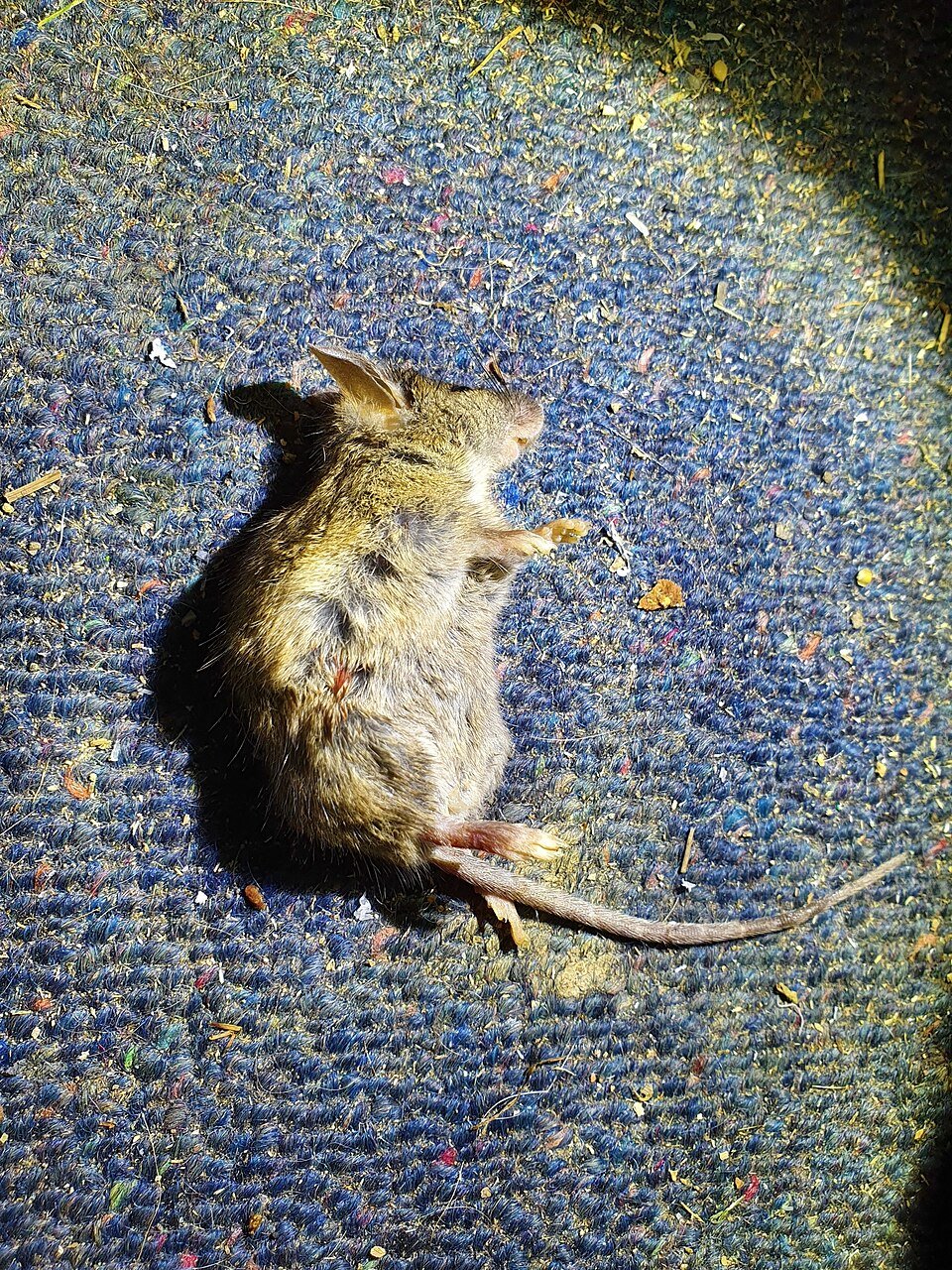
White-footed and deer mice — big-eyed, white-bellied, bicolor-tailed woodland species, not house mice. They’re the mast economy’s primary beneficiaries, and they carry hantavirus risk in droppings: heavy accumulations get wet-method cleanup, never dry sweeping.
Can’t the woodland population just be reduced?
No, and honestly nothing should try — the woods banking mice every few years is the ecosystem working, same as it worked before the subdivisions. The controllable ground is the thirty feet between treeline and threshold: hardware, stations, and timing.
Do bird feeders make mast years worse?
They’re a supplemental subsidy on top of the acorn economy — spilled seed keeps commuters provisioned right at the house end of their route. Catch trays and winter feed discipline matter most in exactly the boom autumns.
Is the crawl space or the garage the bigger risk on a wooded lot?
The garage loses more often — worn gasket corners and an autumn of open-door evenings — but wooded-lot crawls with rusted vent screens run second, and they’re where droppings accumulate unseen. The pre-wave kit covers both.
What does rodent control cost in Bellbrook?
Flat-priced service with the exclusion assessment included, the September station program priced seasonally, and the mast advisory free to everyone on the route — because telling you which autumn is coming is the cheapest thing we do and the most valuable.