
“How long do gnats live?” is really a strategy question wearing a trivia costume — because the answer (adults: about a week; the cycle: about a month) contains the entire logic of gnat control. A week-long adult lifespan means every cloud you see is on a countdown clock, replaced daily from a nursery or aging out to nothing; a month-long egg-to-adult cycle means the nursery, not the cloud, sets the timeline; and the gap between those two numbers is where every effective program — and every futile swatting campaign — lives. This page runs the full clock: lifespan by species (the household gnats differ meaningfully), the four-stage cycle with its timings, the “why won’t they go away” arithmetic that the numbers answer, and the lifespan-driven playbook that ends any gnat problem in one-to-two generations flat.
The adult clock, species by species
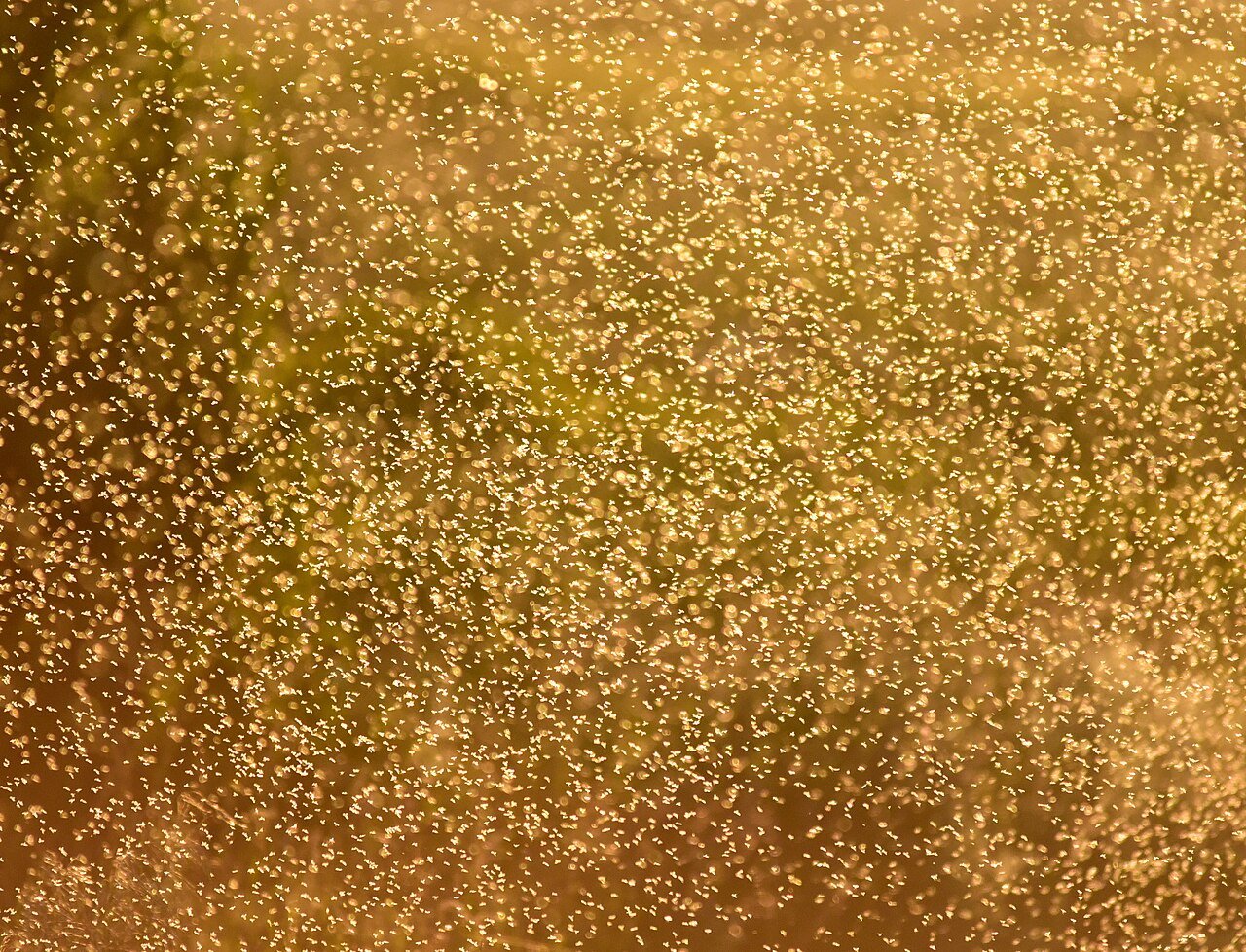
The household roster’s adult lifespans, calibrated: fungus gnats live about one week as adults (three to ten days by conditions) — barely feeding, mating and egg-laying on the wing, each female banking up to 200 eggs in wet soil before the clock expires. Fruit flies run the roster’s marathon: two to four weeks adult, feeding throughout, with females laying daily — the longevity-plus-fecundity combination that makes their infestations the fastest-compounding of the group. Drain flies hold the middle: one to three weeks, wall-resting through most of it. Phorid flies: one to two weeks, sprinting throughout. And the outdoor swarm species — the midges of the dusk clouds — compress hardest: many live days, some famous species mere hours, their entire adulthood spent in the mating column above your yard. The pattern the whole roster shares: adulthood is the SHORT act — a reproductive errand run on reserves — while the real biography happens as larvae in whatever wet medium raised them; the flying stage everyone battles is the species’ farewell tour, already booked to close.
Gnats live for days; the wet spot breeding them lasts as long as it stays wet. Finding that spot is what our pest control in Dayton is for.
The full cycle: a month, stage by stage
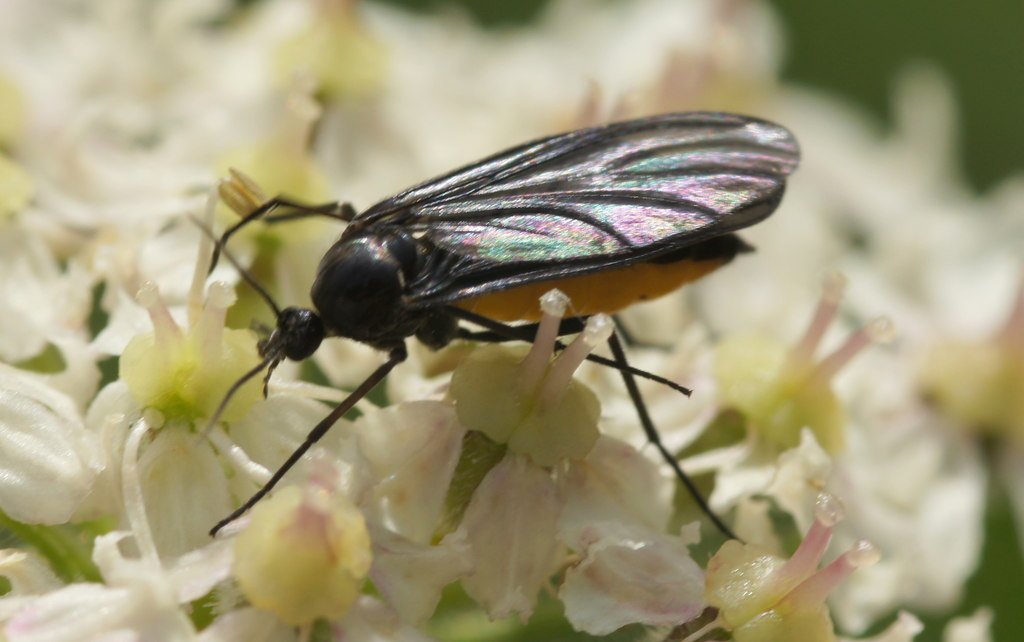
The egg-to-adult arc — fungus gnat edition, the household standard — runs roughly a month at room temperature, and each stage carries a control lever. Eggs (4–6 days): up to 200 per female, laid in the top layer of moist organic medium — potting soil above all; invisible, untreatable, and prevented only by denying the wet substrate. Larvae (about 2 weeks): the real population — translucent thread-worms with black heads, grazing soil fungus and tender roots; this stage does any plant damage AND takes the effective treatments (drying, BTI drenches) because it must eat to progress. Pupae (3–7 days): the sealed transition — brief, untreatable, and the buffer that keeps adults emerging days after a perfect larval strike. Adults (the week): the visible tax — drifting at windows and faces, laying the next cohort in the first 48 hours of their week if wet soil offers. Warmth compresses the whole calendar (summer kitchens run it in three weeks; cool basements stretch toward six) — and the compression cuts both ways: fast cycles compound infestations quickly AND burn them out quickly once the nursery closes. The month is the war; the week is just the parade.
The arithmetic of “why won’t they go away”
The lifespan numbers dissolve the persistent-cloud mystery in three lines. Line one: a week-long adult lifespan means today’s cloud dies by next weekend REGARDLESS of anything you do — swatted or ignored, the visible generation is temporary by design. Line two: a cloud that persists WEEKS is therefore proof of ongoing emergence — a live nursery cycling cohorts — and every day of stable cloud equals another day’s eggs already banked. Line three: close the nursery and the math runs forward inevitably — last eggs hatch within a week, last larvae pupate within two, last adults age out within three — the “one-to-two generation” clearance window every program page quotes, now with its arithmetic shown. The diagnostic gift inside the math: TREND beats count — sticky cards refreshed daily read emergence directly, and a declining card three days into a dry-out confirms victory two weeks before the last adult concedes. The despairing version (“we’ve had gnats for a month”) and the hopeful version (“the cards are thinning”) describe the same clock from opposite ends — and the clock, once the source closes, only runs one way.
The lifespan-driven playbook
- Day one — name the nursery, not the gnat: the five-suspect bench (venue plus look) on our tiny-flying-bugs tribunal assigns the species and its source in a minute; the lifespan pages of each species take over from there.
- Day one, same hour — close the nursery: soil dried (fungus gnats), ferment purged (fruit flies), film scrubbed (drain flies), decay found (phorids) — the only act that touches the month-long half of the clock.
- Days two through seven — instrument, don’t chase: yellow cards near the source read emergence trend; vinegar traps mop fruit-fly adults; everything else is patience while the parade ages out on schedule.
- Week two — confirm the burn-down: thinning cards mean banked stages clearing; a flat trend means a second nursery (the double-source kitchen is common) — re-run the bench, widen the venues.
- Week three — the all-clear or the escalation: silence per the arithmetic, or the professional source-hunt for the holdouts — hidden moisture and phorid files especially: (937) 569-3330.
- Always — skip the adult-warfare aisle: foggers, sprays, and zappers harvest a self-expiring surplus while the nursery replaces it; the standing F applies at every lifespan on the roster.
Frequently asked questions
How long do gnats live?
Adults: about a week for fungus gnats (the household standard), two-to-four weeks for fruit flies, one-to-three for drain flies — a reproductive errand run on reserves. The full egg-to-adult cycle runs about a month, and the month, not the week, sets every control timeline.
How long do gnats live indoors without food?
Days — most adult gnats barely feed at all, living on larval reserves; a sealed room starves nothing that wasn’t already dying on schedule. The population’s food lives in the nursery (wet soil, ferment, drain film), which is why source-closure is the only lever that matters.
Why won’t my gnats go away if they only live a week?
Because a persistent cloud is proof of ongoing emergence — a live nursery cycling week-long generations. Close the source and the arithmetic finishes inevitably: last eggs hatch within a week, last adults age out within three — the one-to-two-generation clearance every program quotes.
How long does a gnat infestation last?
With the nursery closed: two to three weeks to silence, tracked live on daily sticky cards (thinning cards confirm victory early). With the nursery open: indefinitely — monthly cycles compound until the wet soil dries, the ferment purges, or the film scrubs.
Do gnats die on their own in the house?
Individual adults, always — within days-to-a-week regardless of intervention. Populations, only when the breeding source closes; the species’ entire persistence lives in the larval stages your swatter never meets.
How fast do gnats reproduce?
Each female banks up to 200 eggs in her first days, eggs hatch in under a week, and warm rooms run the full cycle in three weeks — compounding that turns one overwatered pot into a standing cloud within a month. The same speed burns infestations out fast once sources close.
What is the lifespan of a fruit fly vs a fungus gnat?
Fruit flies live longest (two-to-four weeks, feeding and laying daily — the fastest compounder); fungus gnats about a week; drain flies one-to-three weeks. The differences matter mainly for patience calibration — every species still yields to source-closure on the same one-to-two-generation math.
Do gnats only live 24 hours?
That legend belongs to mayflies (genuinely hours-to-a-day as winged adults) — household gnats live days-to-weeks. The kernel of truth: some outdoor midge species compress adulthood into a day or two, spent entirely in the dusk mating swarms.
How long do gnat eggs and larvae live?
Eggs hatch in four-to-six days; larvae feed about two weeks (the stage that takes treatment — drying and BTI both strike here); pupae seal for another week. The pre-adult month IS the population — the visible adults are its closing act.
When should a gnat problem go professional?
When the three-week arithmetic fails — persistent emergence past an honest source-closure means a hidden nursery (concealed moisture, the phorid red-flag files), and finding those is genuinely our specialty: (937) 569-3330, sticky-card trend data welcome.
Lifespan lore: the mayfly mix-up and the swarm question
Two persistent side-questions deserve their answers. “Don’t gnats live only 24 hours?” — the legend belongs to MAYFLIES, whose adult stage genuinely runs hours-to-a-day (no working mouthparts; pure reproduction) and whose river-adjacent emergences along the Great Miami occasionally blanket bridges and gas stations in a single unforgettable night. Household gnats borrowed the reputation unearned — though the outdoor midges of the dusk columns come closer, many compressing adulthood into a day or two of aerial courtship. “What IS the swarm over my yard, and how long will it last?” — the dusk column is a mating aggregation, overwhelmingly non-biting midges: males assembling over a visual marker (a bush, a fence post, occasionally a person — the follow-you-down-the-trail experience is your silhouette serving as the marker), females visiting briefly, the whole event dissolving nightly and the season’s waves passing in days. No treatment touches them meaningfully and none is warranted — swarms neither bite nor breed on your property (larvae are aquatic), and the one management note is the marker effect: stand elsewhere, and the column relocates to the next post. The lifespan lesson threads both answers: the shorter the adult clock, the more theatrical the finale — and the less it ever has to do with your house.
The seasonal clock behind the clock
The lifespan numbers ride Ohio’s calendar, and the interaction explains the year’s gnat rhythm. Summer compresses everything — three-week cycles, fastest compounding, and the year’s worst fruit-fly arithmetic; it is also when source-closure pays quickest, the burn-down running at the same accelerated clock. Fall delivers the fungus-gnat surge — the October houseplant migration imports whole nurseries, and cooling rooms stretch cycles just enough to make infestations feel stubborn (the cards still tell the truth; the trend just moves weekly instead of daily). Winter slows the clock to its crawl — six-week cycles in cool rooms — while simultaneously shrinking the suspect list per the tribunal page’s winter doctrine: fewer sources, slower math, easier hunts. Spring restarts the outdoor swarm calendar and the first drain-film blooms. The practical overlay: whatever the season, the two-number rule holds — adults die on the week-scale, populations die on the month-scale, and the thermostat merely sets the metronome. Read the season, set the patience accordingly, and let the arithmetic — summer-quick or winter-slow — run to the same silence it always reaches.
The bottom line, arithmetic edition: a week for the adult, a month for the cycle, one-to-two generations for the clearance — three numbers that turn every gnat cloud from an open-ended siege into a scheduled departure. Close the nursery on day one, hang the cards, respect the parade’s built-in finale, and the question this page answers becomes the reassurance it always contained: however long gnats live, yours are already dying — the only decision is whether their replacements get born. Make it once, at the source, and the clock does the rest.
The species files — fungus gnats and their pots, fruit flies and their ferment, the drain and phorid chapters, and the five-suspect tribunal that sorts them all — stand one link away across the small-flier wing; this page just supplied the clock they all run on. Wind it once at the source, and every program in the wing finishes early.
A week to live, a month to matter, a fortnight to defeat — the gnat clock, fully read. Cards up, soil dry, patience set: the parade is already ending.
Tick, tock, gone — on schedule, every time.
Set your watch by it.
And the kitchen’s, too.