
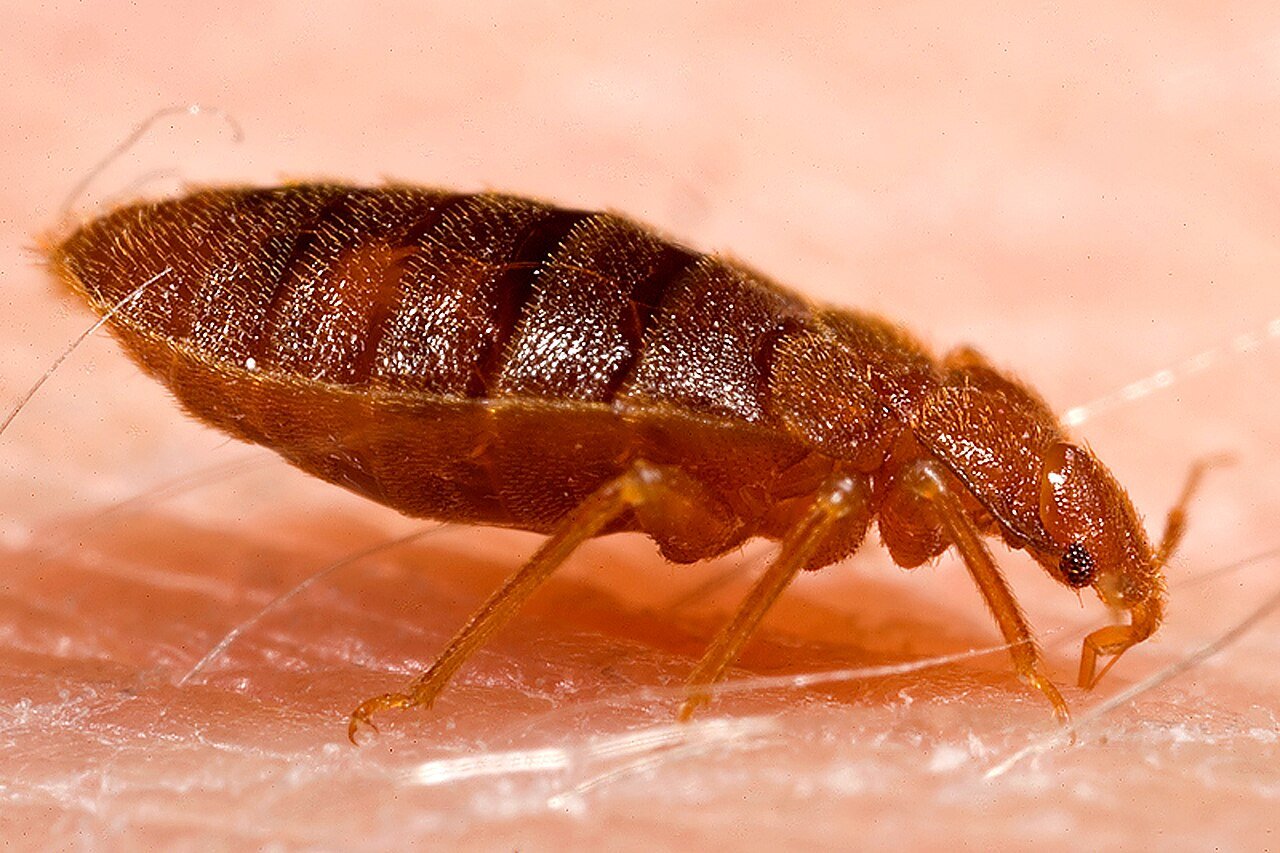
In a Trotwood ranch off Denlinger, bed bugs are a room problem. In the apartment and townhome communities along Salem and Shiloh Springs, they are a unit problem — and the only thing standing between those two sentences is a wall with an outlet box in it. That distinction drives every decision worth making here: what gets inspected, what gets treated, who pays for it, and above all how fast the first visit happens. We call it the unit count, because in shared-wall housing the number that predicts your outcome is not how many bugs are in your mattress. It is how many units are involved by the time somebody finally looks.
The Unit Count
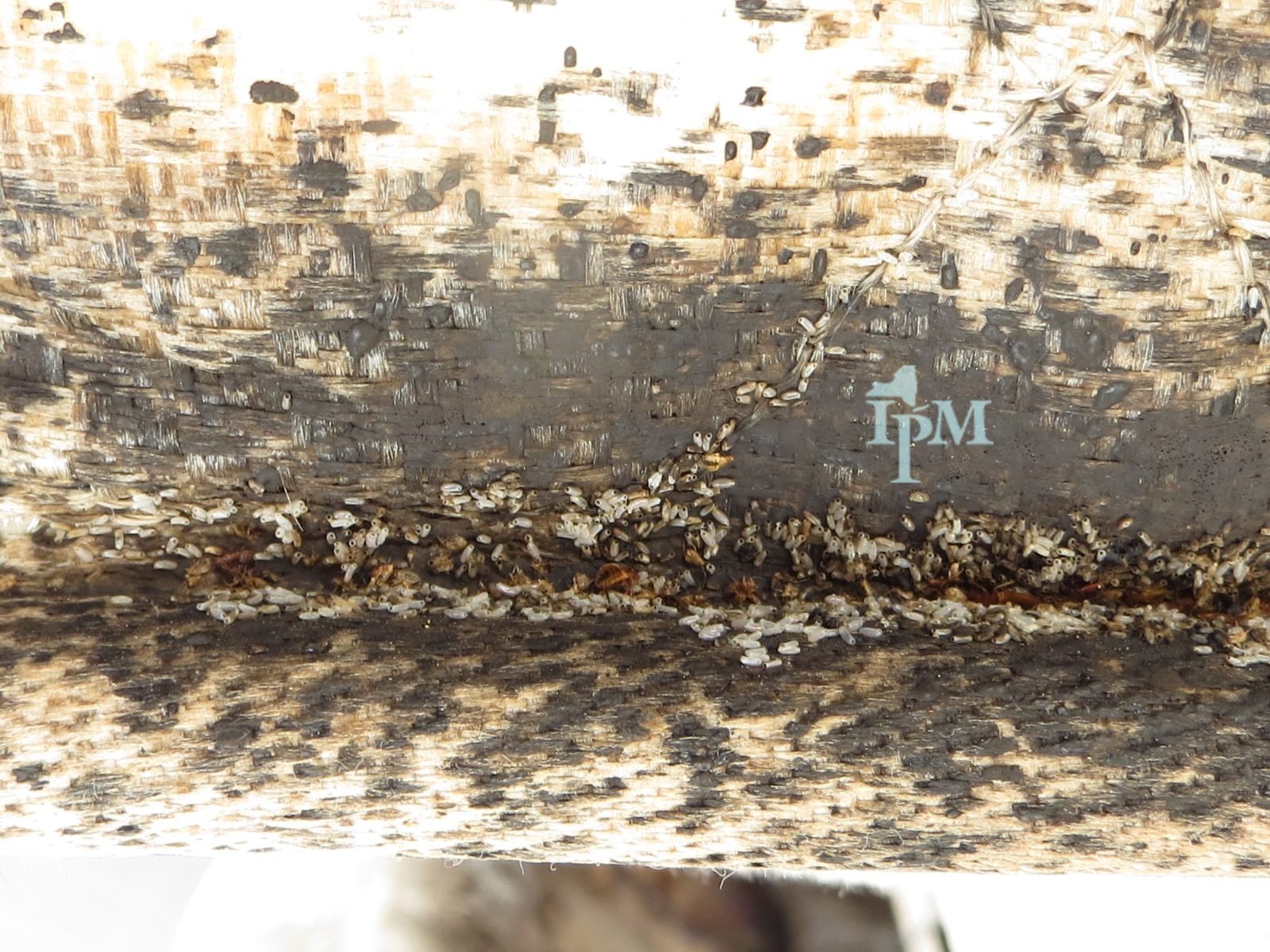
Bed bugs do not respect a lease boundary. In a multi-unit building they travel the routes the building hands them — the gap where baseboard meets shared wall, outlet and switch boxes, plumbing and HVAC chases, and the hallway itself, on luggage and laundry baskets and furniture being carried out. The consequence is the one most single-unit treatments ignore: a treated apartment between two untreated ones is a vacancy waiting to be refilled, and it usually is within the month. Treating unit 4 by itself is not a cheaper version of treating the building. It is a more expensive way of not solving it, paid for twice.
So the inspection maps rather than assumes. We locate harborages and rank rooms — and in a complex, adjacent units — by evidence before anything comes out of the truck, because the only infestation anyone can treat is the one that has actually been found. Unmapped rooms are where corners get missed, and in shared-wall housing the unmapped room is frequently next door.
Why Monday Matters
Our office sits on Salem Avenue, and Salem Avenue runs straight into Trotwood. No address in our service area is closer, which turns a scheduling detail into a treatment advantage: when a Trotwood tenant reports bed bugs on Monday, the inspection can happen Monday. That matters more for this pest than for almost any other, because the unit count only moves one direction. A week of waiting is not a week of the same problem — it is a week of a reproducing population with access to a shared wall.
What the Treatment Actually Is
Stated plainly enough that you can hold us to it:
- A mapped inspection first — harborages located and rooms ranked by activity before any product is applied.
- A non-repellent liquid residual at harborages and travel routes. Non-repellent is the operative word: a product bed bugs can detect and avoid simply relocates them deeper into the structure.
- Long-residual desiccant dust placed into wall voids and outlet boxes — the component aimed squarely at the shared-wall route, and the one still working months after we leave.
- An insect growth regulator, so the generation hatching behind us never reaches breeding age.
- Encasements and interceptors that you buy. We specify exactly which ones; you pay store price instead of a service markup. We read the interceptors at the follow-up.
- A second visit, quoted as its own line rather than folded into the first number — eggs laid before treatment hatch on their own calendar.
- A 30-day re-treatment window on the job.
What we do not run, said before you have to ask: there is no heat rig and no steamer here. Whole-structure heat is a real tool with real strengths — it reaches every life stage in a single day and penetrates clutter — and for a severe whole-building or extreme-clutter situation it may genuinely be the better call. It also leaves nothing behind the hour the house cools, which in a shared-wall building is precisely the weakness that matters. We will tell you which situation you are in at the inspection rather than sell you around it.
Renters, Landlords, and the Paper That Moves Them
Trotwood’s housing mix means a large share of these calls come from somebody who does not own the building, and the honest advice is procedural before it is chemical. Ohio habitability practice puts a building-level infestation on the owner, and what moves owners is documentation: report it in writing, attach photos, note the dates, keep your copies. Then give management an economic argument instead of a complaint — coordinated building treatment costs an owner materially less than unit-by-unit whack-a-mole, and that is the sentence that tends to land. We work with property managers on multi-unit and multi-property accounts, and we document every visit regardless. If you are authorized to arrange your own treatment, we work directly with tenants too.
One more thing renters ask that almost nobody volunteers: the truck can arrive unmarked if you want it to. In a complex where everyone watches the parking lot, that is not vanity — it is often the difference between getting treated and putting it off another month.
Get the Inspection on the Calendar
One inspection maps the unit count and tells you what you are actually dealing with — including, when that is the answer, that what you have is carpet beetles and you can stop losing sleep. Free quote, firm number, and the fastest arrival on our map.
Frequently asked questions
I told my landlord and nothing happened. What are my options?
Put it in writing with photos and dates, and keep your copies — Ohio habitability practice puts a building-level infestation on the owner, and paper is what moves owners. Then hand management an argument rather than a complaint: building-coordinated treatment costs an owner materially less than treating one unit at a time, forever. We will talk to a property manager directly, and we document every visit either way.
Do you treat one apartment or the whole building?
Both, but they are not the same job. A single treated unit sitting between two untreated neighbors is usually re-infested within a month through the baseboard gap and the outlet boxes, so we will tell you plainly when a one-unit treatment is money spent on a temporary result. Building-level work gets coordinated with management and priced for the building.
Do you use heat treatment?
No — there is no heat rig and no steamer on our truck. We run the chemical protocol: a mapped inspection, a non-repellent liquid residual, long-residual desiccant dust in the wall voids, and a growth regulator. Whole-structure heat is a legitimate tool for severe or extreme-clutter jobs, and if that is your situation we will say so at the inspection instead of selling you around it.
Is the follow-up visit included in the price?
No, and you should hear that now rather than at the door: the second visit is quoted as its own line. Eggs laid before treatment hatch on their own calendar, so a follow-up is usually part of finishing the job — it is simply priced openly instead of buried in the first number.
Do you supply the encasements and interceptors?
We specify exactly which ones to buy, and you buy them — the store price beats any markup we could add to the same product. Interceptors earn their keep at the follow-up, when we read them: they turn “I think it is better” into an actual count.
How fast can you get to a Trotwood address?
Faster than anywhere else we serve. Our office is on Salem Avenue, ten minutes down the road, and same-day and next-day slots go to the closest addresses first. With bed bugs that speed is treatment rather than convenience — every week of waiting is another week of access to a shared wall.
Will my neighbors know?
Only if you tell them. The truck can arrive unmarked if you ask, the visit looks like any other service call, and we do not discuss one unit with another.
What does bed bug treatment cost in Trotwood?
Priced by the rooms that actually need treating, which is why the mapped inspection comes first and the quote is free and firm. The second visit is its own line, encasements and interceptors are store purchases, and the job carries a 30-day re-treatment window.
In shared-wall housing one number decides a bed bug job, and it is not the price. Tell us when you first saw one, and we will tell you how many units we need to look at.