
Liberty Township households travel, and that is the whole explanation. Between Lakota club and travel sports running hotel weekends most of the year, corporate travel out of the Cincinnati–Dayton corridor, college kids coming home twice a year, and guest suites that see a steady rotation of visiting family, this township generates an unusual amount of luggage movement for a residential area. Bed bugs move on luggage. They do not care what a house is worth, how new it is, or how well it is kept, and the first thing worth saying plainly is that this is not a housekeeping problem and it never was.
The Tournament Weekend Route
Travel sports is the introduction route people here never think of and it is a significant one. A tournament weekend means a hotel room shared by two or three families, gear bags piled on beds and floors, and everything loaded back into vehicles Sunday afternoon and carried straight into bedrooms. Duffels, sleeping bags, pillows from home, and folding chairs all go back where they came from without anybody inspecting anything.
It is worth being clear that this reflects nothing about the hotels involved. Bed bugs turn up in expensive properties as readily as budget ones, because they arrive with guests and leave with guests. A well-run hotel finds and treats them; it does not become immune to them. The exposure is simply a function of how many rooms your family passes through in a season, and for a Lakota travel-sports household that number is high.
The practical response is not to stop traveling. It is a two-minute habit: bags stay off beds and off upholstered furniture in hotel rooms, and when you get home they get unloaded in the garage rather than carried into a bedroom. Anything washable goes through a hot dryer cycle. That single routine prevents a large share of what we see.
Why Waiting Is the Expensive Choice
There is a pattern in higher-income households that reliably costs money. Bed bugs carry a stigma completely disconnected from the biology, so the first instinct is to handle it privately — wash everything hot, buy encasements, try something from a hardware store, and wait a few weeks to see whether it worked. That reaction is entirely understandable and it is the single most expensive decision in the process.
The arithmetic is unforgiving. A mated female lays a few eggs a day, eggs hatch in one to two weeks, and nymphs reach breeding maturity in roughly a month under household conditions. Six weeks of trying things privately is one to two extra generations, established in more rooms and considerably more expensive to resolve than what you started with.
In this housing stock the delay also spreads the problem physically. A house with five or six bedrooms, a guest suite, a finished lower level with a sectional, and a bonus room over the garage gives an infestation that began in one guest room a great many places to migrate while somebody is still deciding whether this is really happening.
Reading the Evidence in a Large House
Bites are the least reliable indicator available. Roughly a third of people show no visible reaction at all, reactions differ sharply between members of the same household, and a bite pattern on its own is not diagnostic of anything. In a house this size that produces a specific confusion: the person reacting may not be sleeping in the affected room, and the room everyone suspects is frequently not the one involved.
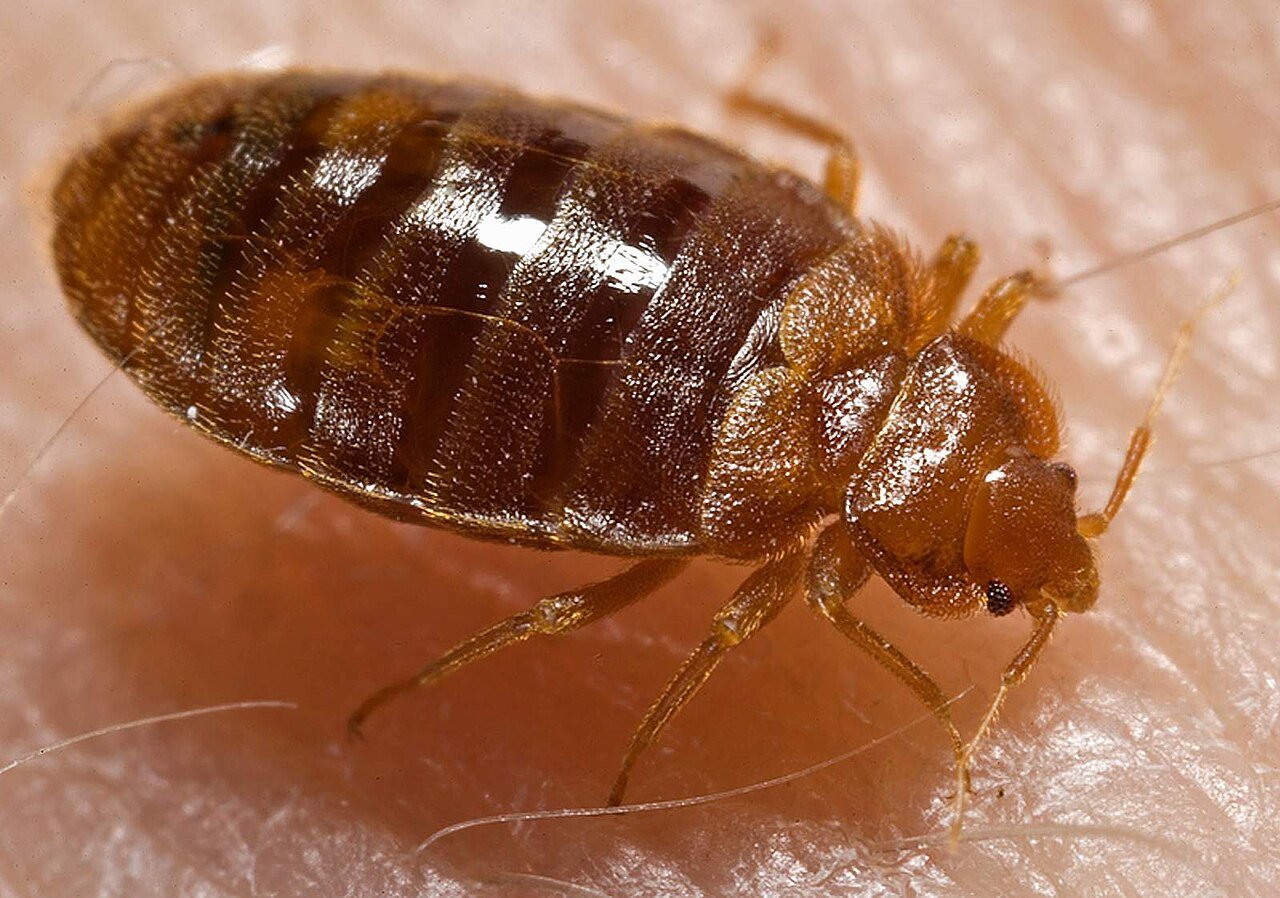
Physical evidence is what matters. Small dark spotting along a mattress seam, on the tape edge of a box spring, or on the underside of a headboard is digested blood, and it is the most common first finding by a wide margin. Shed skins — translucent, hollow versions of the insect at each growth stage — collect near harborage. Live insects sit in seams, screw holes, and the gap where a headboard bolts to a frame rather than out where you would happen to notice them.
Guest rooms are the specific blind spot here. A room used six times a year can host a population for months without anyone noticing, because nobody sleeps in it long enough to react and nobody strips the bed between visits. When we inspect a Liberty Township home we treat the guest suite as a primary site rather than an afterthought, and it is frequently where the evidence is.
What Preparation Actually Looks Like
The preparation list matters more than most people expect, because treatment can only reach what is accessible. In a house this size that means clearing floors along walls and under beds, emptying nightstands and dressers in affected rooms, and bagging bedding and clothing for a hot laundry cycle on the day of service rather than the week before. Anything washed early and returned to an untreated room simply gets re-exposed.
Bagged items should stay bagged until treatment is complete and should not be relocated to another room or to a relative’s house, which is one of the most common ways a single-room problem becomes a two-house problem. Move the smallest number of things the shortest possible distance. If something genuinely has to leave the house, it goes into a sealed bag before it leaves the room, not after it reaches the garage.
We give you the list in writing with the specific rooms marked, and we would rather answer questions about it in advance than arrive to a house that is half prepared. A well-prepared home routinely resolves in fewer visits than an identical infestation in an unprepared one, and that difference is entirely in the household’s control.
Treatment That Fits the House
Effective work in a house this size is a program rather than a single visit. It combines thorough treatment of harborage sites with follow-up visits timed deliberately against the egg cycle. Eggs are the resistant stage — anything that reliably kills adults and nymphs will not reliably kill eggs, and a hatch a week or two later restarts the problem entirely if nobody comes back for it.
Preparation matters and we will give you a specific written list rather than a vague instruction to declutter. What we will not do is open by telling you to throw out mattresses and furniture. In the large majority of cases that is unnecessary expense, and occasionally counterproductive, because carrying an infested piece through the house to the curb distributes insects along the entire route it travels.
Discretion is part of the job. Unmarked scheduling is available, and we are well aware that in a subdivision where neighbors know each other a marked truck in a driveway is information that travels quickly. That should never be the reason somebody puts the call off another month.
The Lakota Corridor
West Chester to the south shares the same travel-driven pattern and the same large-home layouts. Monroe is north, and Mason is east across the Warren County line.
General service in the township is on the Liberty Township pest control page.
Frequently asked questions
Does having bed bugs mean my house is dirty?
No, and this is the most damaging myth about them. Bed bugs feed on blood and travel on belongings. Spotless homes get them and cluttered homes get them; clutter only makes treatment harder by adding hiding places. Nothing about an infestation reflects on your housekeeping.
How did they get into my house?
In this township the leading route is luggage — tournament weekends, corporate travel, and college move-outs in May and December — followed by secondhand and marketplace furniture. Hotel quality is not protective; bed bugs arrive with guests and leave with guests regardless of the property.
We travel constantly for club sports. What should we actually do?
Keep bags off beds and off upholstered furniture in hotel rooms, and unload in the garage rather than straight into bedrooms when you get home. Run everything washable through a hot dryer cycle. That two-minute habit prevents a large share of the cases we see.
Can I treat it myself first?
You can, and it usually costs more in the end. Bed bugs go from egg to breeding adult in about a month, so six weeks of store-bought products is one to two extra generations in more rooms. Over-the-counter sprays also tend to scatter them into areas that were previously clear.
Do I have to throw out my mattress and furniture?
Almost never, and we do not lead with it. Discarding is occasionally warranted for something genuinely destroyed, but usually it is unnecessary expense — and carrying an infested piece through the house to the curb spreads the problem along the route.
I have no bites. Can I still have them?
Yes. About a third of people show no visible reaction, and reactions differ sharply within a household. That is why we look for physical evidence — dark spotting on mattress seams and box spring tape, shed skins, and live insects in seams and screw holes — rather than relying on bites.
Why does it take more than one visit?
Eggs are the resistant stage. Treatment that kills adults and nymphs will not reliably kill eggs, and a hatch a week or two later would restart the infestation. Follow-up visits timed against that cycle are what actually end it.
Should we be checking the guest room?
Yes, and it is the most commonly missed room in houses this size. A guest suite used a handful of times a year can host a population for months, because nobody sleeps there long enough to react and nobody strips the bed between visits. We treat it as a primary inspection site.
How should we prepare for the treatment?
Clear floors along walls and under beds, empty nightstands and dressers in affected rooms, and run bedding and clothing through a hot dryer on the day of service rather than earlier. Keep bagged items bagged until treatment is finished, and do not relocate them to another room or a relative’s house — that is how one room becomes two houses. We provide the list in writing.