
Oxford has the single highest-risk bed bug environment in Butler County, and the reason is one weekend in August. Thousands of students move into off-campus houses and apartments within a few days of each other, carrying mattresses, futons, upholstered chairs, and bedding that came from a parent’s basement, a curb, a marketplace listing, or last year’s apartment. It is the largest simultaneous furniture migration in the county, it repeats every year, and bed bugs exploit exactly that kind of movement.
The August Move-In
Every element of move-in weekend favors bed bugs. Furniture arrives from many different households at once. Items are staged in hallways, porches, and shared living rooms before they reach bedrooms. Nobody inspects anything, because everybody is exhausted and the priority is getting the truck unloaded. And a large share of what arrives is upholstered — the ideal transport, because seams, welting, and the underside of a frame provide exactly the tight protected harborage bed bugs want.
Then the buildings themselves compound it. Much of Oxford’s off-campus housing is older homes divided into units, or purpose-built apartment blocks with shared walls. Bed bugs travel wall voids, plumbing chases, and common stairwells toward hosts, so an infestation arriving in one bedroom is not confined to that bedroom for long. A house with five tenants and one infested futon in the living room is a house with a building-wide problem by October.
None of this is anybody’s fault. It is logistics, and it is entirely predictable, which is what makes the two-minute prevention habit so worth it: inspect the seams, welting, and underside of any upholstered item before it comes through the door, and put everything washable through a hot dryer cycle on arrival. A flashlight and two minutes per item prevents the large majority of what we see each September.
For Students and Their Parents
First, the thing worth hearing plainly: this is not a housekeeping problem and it never was. Bed bugs feed on blood and travel on belongings. Spotless apartments get them. Nothing about an infestation says anything about how anyone lives, and the embarrassment that delays the call is the only part that reliably costs money.
Second, report it immediately — to the landlord or property manager, in writing, with a date. That matters practically in two ways. It starts the clock on getting it treated properly, and it creates a record, which is useful if there is later a disagreement about who pays or when it was reported. A text or an email is fine; the point is that it is written down.
Third, do not move out into a parent’s house with your belongings while it is unresolved. That is how an apartment problem becomes a family-home problem three hours away, and we see it every year around Thanksgiving and winter break. If you have to travel home, wash and hot-dry everything you take, keep bags off beds and upholstered furniture, and leave what you can behind.
- Inspect upholstered items before they enter — seams, welting, and the underside of the frame.
- Hot dryer cycle on arrival for everything washable, at move-in and after every trip home.
- Report in writing with a date, to the landlord or manager.
- Do not relocate belongings to another unit or a family home while it is unresolved.
- Bites are not diagnostic — about a third of people show no reaction at all.
For Landlords and Property Managers
The economics here favor acting fast and treating broadly, and in a shared-wall building they favor it decisively. A population caught early in one unit is a contained job. The same population three months later, having moved through wall voids and stairwells into three or four units, costs several times more and arrives with tenant relations and turnover consequences attached.
Treating a single unit in a multi-unit building is the most common wasted expenditure we see in this town. Insects move away from disturbance and then return, so the unit gets treated, looks resolved, and the problem reappears next door in eight weeks. The approach that actually holds is treating the affected unit together with everything sharing a wall, floor, or ceiling with it, on the same day, with every unit prepared.
The turnover window between spring and fall semesters is the natural time to deal with a known problem properly, because units are empty, access is unrestricted, and preparation is trivial. A building treated in June is a building that starts the year clean. It is by a wide margin the cheapest point in the calendar to do this work.
Treatment and What to Expect
Effective work is a program rather than a single visit. Treatment reaches harborage — mattress and box spring seams, bed frame joints, headboard mounts, upholstered furniture seams, and in older converted houses the gaps behind baseboard and around pipe penetrations — and follow-up visits are timed deliberately against the egg cycle. Eggs are the resistant stage, and a hatch a week or two later would restart everything if nobody came back.
Preparation determines how many visits it takes, and we provide it in writing per unit. Clear floors along walls and under beds, empty nightstands and dressers, and run bedding and clothing through a hot dryer on the day of service rather than earlier — anything washed early and returned to an untreated room is simply re-exposed. In a multi-unit job every unit being treated has to be prepared on the same day, which is the step that most often slips.
What we will not do is open by telling anyone to throw out their furniture. In the large majority of cases that is unnecessary expense, and carrying an infested mattress down a shared stairwell to a dumpster is one of the most efficient ways to distribute insects through an entire building. If something genuinely must go, it gets sealed inside the unit first.
How to Actually Tell If You Have Them
Bites are the least reliable indicator there is, and relying on them costs weeks. Roughly a third of people show no visible reaction at all, reactions vary enormously between housemates, and a bite pattern on its own is not diagnostic. In a five-bedroom rental this creates a specific confusion: the person reacting may not be sleeping in the affected room, and the room everyone suspects is frequently not the one involved.
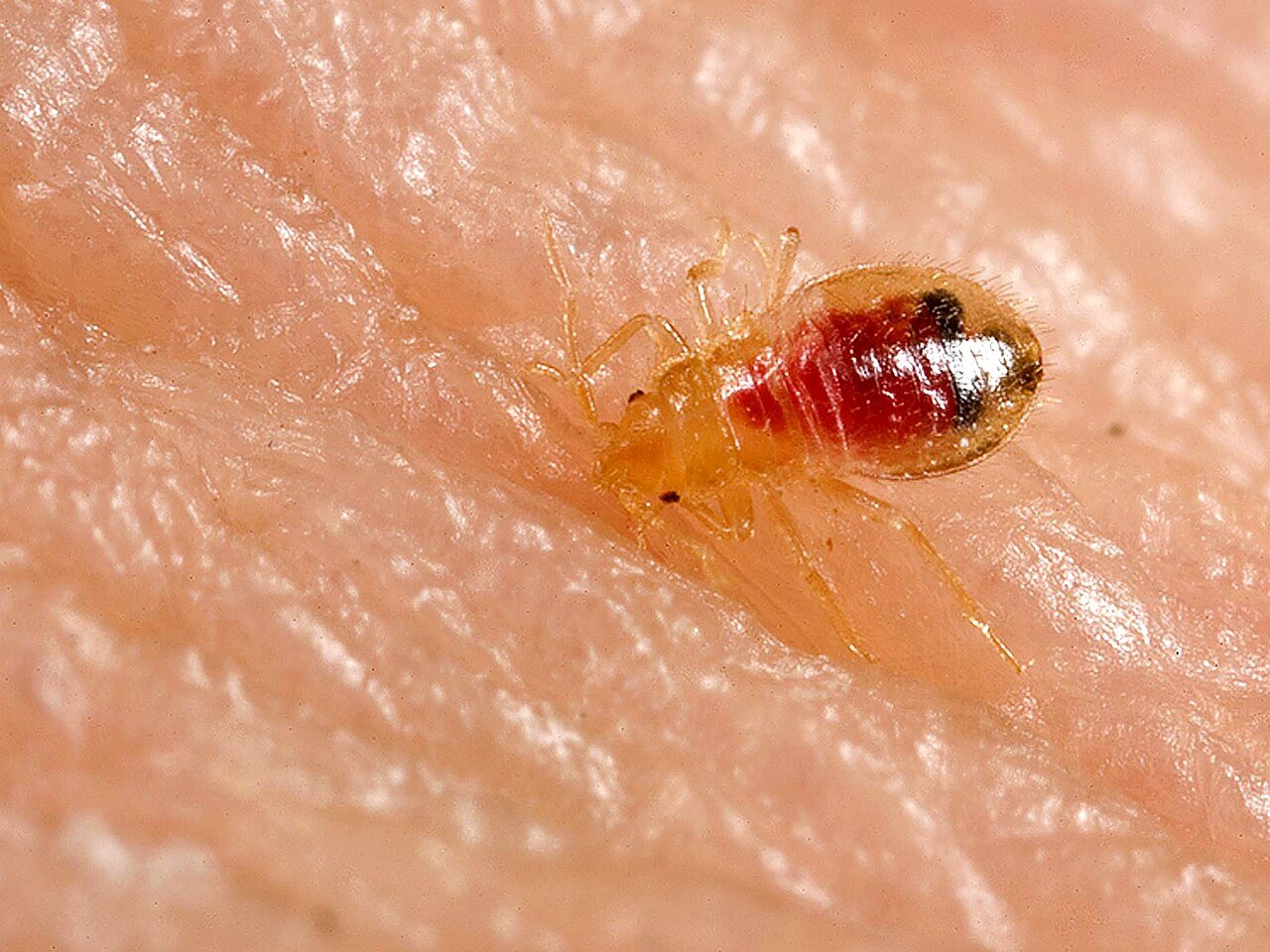
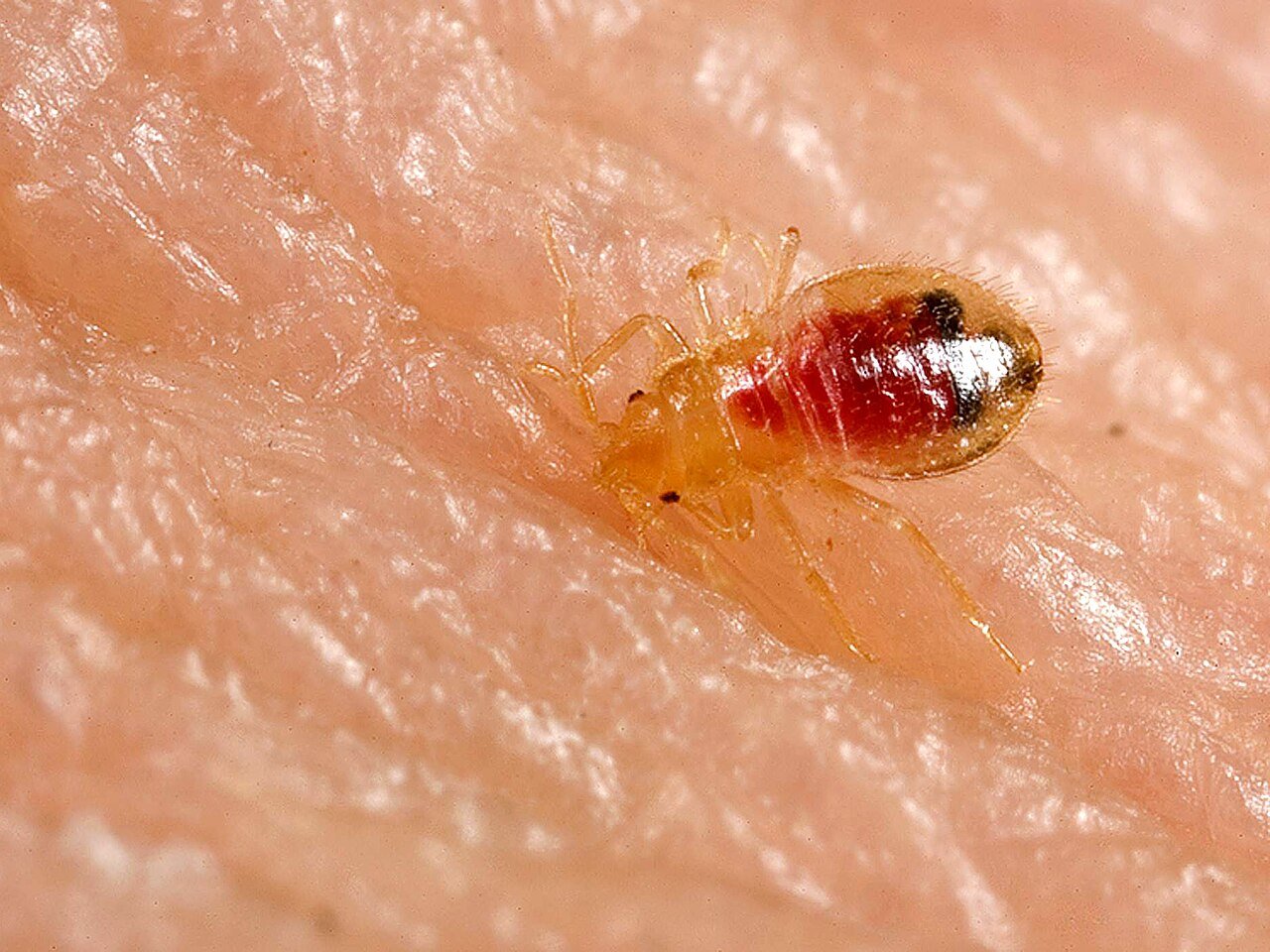
The physical evidence settles it. Small dark spotting along a mattress seam, on the tape edge of a box spring, or on the underside of a headboard is digested blood, and it is the most common first finding by a wide margin. Shed skins — translucent, hollow versions of the insect at each growth stage — collect near harborage. Live insects sit deep in seams, screw holes, and the gap where a headboard bolts to a frame.
Check in this order: strip the bed completely and go over the mattress seams and tufting, the tape edge and underside of the box spring, every joint of the frame, and the back of the headboard where it meets the wall. Then the seams of any upholstered chair or futon in the room, then nightstand drawers. In a shared house it is worth doing this in every bedroom on the same day rather than one at a time.
Across Butler County
Hamilton southeast has comparable converted multi-family stock, College Corner is west, and Eaton is north in Preble County.
General service is on the Oxford pest control page.
Frequently asked questions
Does having bed bugs mean the apartment is dirty?
No, and this is the most damaging myth about them. Bed bugs feed on blood and travel on belongings or through wall voids from a neighboring unit. Spotless apartments get them. The embarrassment that delays the call is the only part that reliably costs money.
How do they get into student housing?
Overwhelmingly at August move-in. Thousands of upholstered items arrive from different households within a few days, get staged in hallways and living rooms, and go into bedrooms without anybody inspecting anything. Futons, mattresses, and secondhand chairs are the usual carriers.
What should I check before bringing furniture in?
Use a flashlight on the seams, the welting, and the underside of the frame, looking for dark spotting and translucent shed skins. Run everything washable through a hot dryer cycle on arrival. Two minutes per item prevents most of what we see each September.
I am a tenant. What should I do first?
Report it to the landlord or property manager in writing, with a date — a text or email is fine. That starts the clock on proper treatment and creates a record if there is later a disagreement about who pays or when it was reported. Then do not move belongings elsewhere.
Can I just go home for a few weeks?
Not with your belongings unresolved. That is how an apartment problem becomes a family-home problem three hours away, and we see it every year around winter break. If you have to travel, wash and hot-dry what you take, keep bags off beds and upholstered furniture, and leave what you can behind.
I am a landlord. Do I have to treat more than the unit that reported it?
To get a result that holds, yes — the affected unit plus everything sharing a wall, floor, or ceiling, on the same day. Treating one unit in a shared-wall building is the most common wasted expenditure we see here, because insects move away from disturbance and then come back.
When is the best time to treat a building?
The summer turnover window. Units are empty, access is unrestricted, preparation is trivial, and a building treated in June starts the academic year clean. It is by a wide margin the cheapest point in the calendar for this work.
Why does it take more than one visit?
Eggs are the resistant stage. Treatment that kills adults and nymphs will not reliably kill eggs, and a hatch a week or two later would restart the infestation. Follow-up visits timed against that cycle are what actually end it.
Where exactly should we look in a shared house?
Strip each bed completely and check mattress seams and tufting, the tape edge and underside of the box spring, every joint of the frame, and the back of the headboard where it meets the wall — then the seams of any futon or upholstered chair, then nightstand drawers. Do every bedroom on the same day rather than one at a time, because the person reacting is often not in the affected room.