
Dayton is where WDI inspectors earn their category license or prove they shouldn’t have one. The city’s transaction stock runs a hundred years deep — balloon-framed Victorians in South Park, four-squares in the historic districts, post-war frames by the thousand, investor duplexes everywhere — and nearly all of it carries some termite history somewhere. An inspector who can’t tell a 1980s treatment scar from live activity writes reports that kill good deals; one who glosses what he can’t reach writes reports that haunt closings. Our WDI inspection is built for exactly this stock: $99 flat, NPMA-33 lender-ready, report the day we inspect, pay at booking or on the settlement statement.
What Inspections Actually Find in Dayton
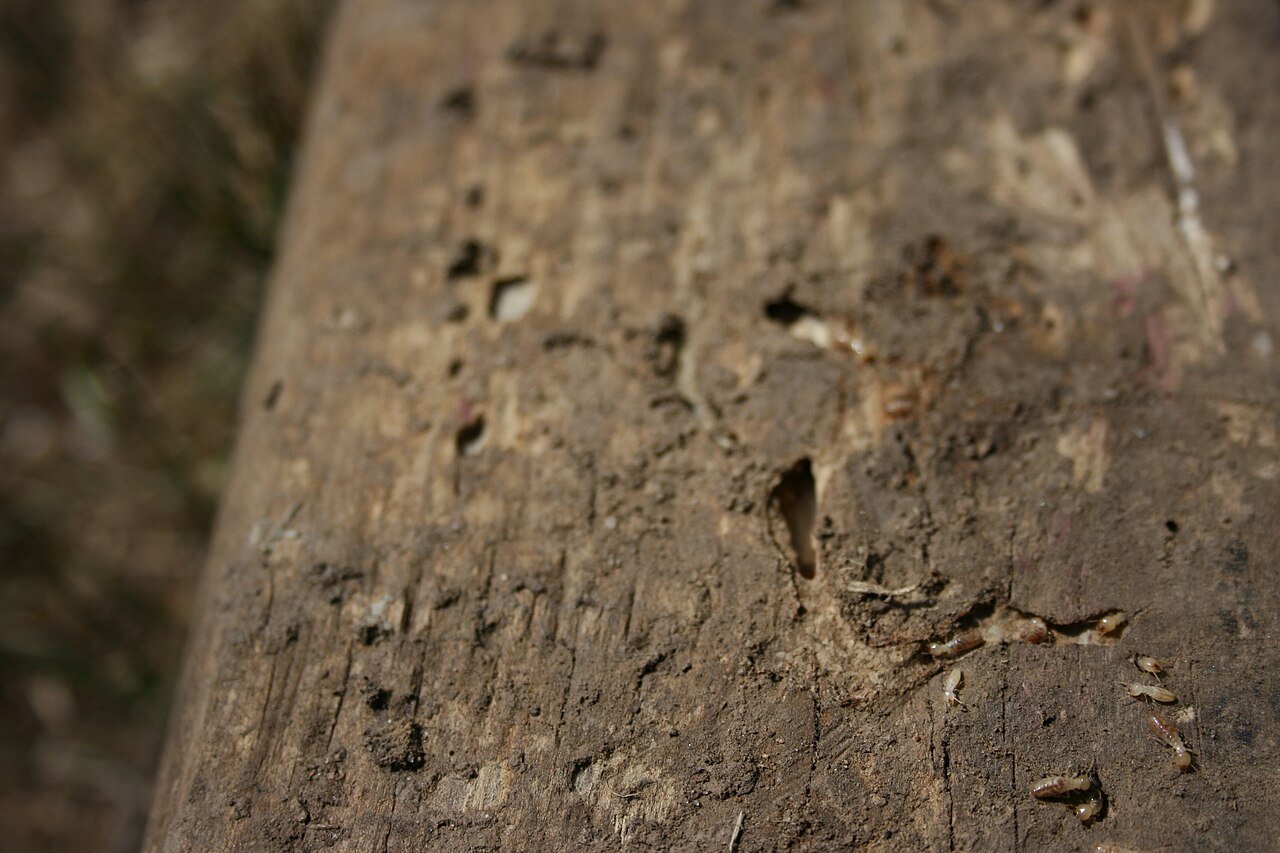
The century-stock truth: most Dayton basements are termite archives. Drill-hole rows in slab perimeters, dry galleries in a joist end, a sistered sill from a repair nobody documented — the evidence of colonies long dead is nearly universal, and it is not a Section II crisis when it’s read correctly. What the transaction needs is the separation: historical evidence documented as historical, active evidence — fresh mud, moisture-tracked galleries, spring wings — flagged with its location and extent, and obstructed areas stated as obstructed rather than assumed clean. That literacy is the whole product in this city, and it’s the same construction knowledge behind our Dayton termite treatment work.
The Investor File
A hefty share of Dayton transactions are investor purchases — portfolio duplexes, flips, wholesale deals moving fast — and those closings need the inspection on a different rhythm: booked same-week, priced predictably across many doors, and written by someone who’s seen the block before. At $99 flat with next-business-day service, the math works at portfolio scale, and repeat investors keep the booking link in their deal checklist next to the title company’s number.

Built for the Transaction Timeline
- $99 flat — the NPMA-33 on the 7/1/19 form VA, FHA, and conventional lenders accept
- Next business day citywide, often same-day for a burning contingency
- Report the day we inspect — PDF to agent, buyer, lender, and title as directed
- Pay now or at closing on the settlement statement
- VA-ready: Ohio VA purchases require the WDI — and Dayton’s VA volume means we write these weekly
Book It at Contract, Not at Closing
The one pattern that turns Dayton findings into Dayton fire drills is timing. This stock produces more Section II content than the suburbs — almost all of it historical and harmless — but a report delivered five days before closing gives an anxious underwriter no room to breathe. The inspection booked the week of contract signing costs the same $99 and leaves the calendar to absorb whatever the basement has to say. Agents: the realtor rundown covers how we work; the booking form takes one minute.
Neighborhood by Neighborhood
Dayton’s WDI work changes character block by block. St. Anne’s Hill and South Park bring the preserved-Victorian file — deep, layered histories in homes being restored with real money, where dating the evidence protects both the deal and the restoration budget. Belmont, Walnut Hills, and the streetcar-era neighborhoods east and north run the four-square and bungalow stock whose sills and basements hold the city’s standard century story. Dayton View and Five Oaks — our own neighborhood — add grand old frames with decades of deferred maintenance in some blocks and meticulous stewardship in others, sometimes on the same street. The report’s language has to keep up, and ours does, because we walk these streets daily.
West and east side investor corridors produce the volume file: doubles and singles trading in portfolios, often several to a closing. Those run $99 per structure with consolidated scheduling — one booking, one window, one package to the lender.
The Point-of-Sale Rhythm
Dayton closes fast at the entry-level price points — cash and FHA files alike push for short contingencies — and the WDI rhythm that serves them is mechanical reliability: booked online in a minute, inspected next business day, PDF the same afternoon, fee on the settlement statement when that’s cleaner for a tight file. No phone tag, no “we’ll get you on the schedule,” no invoice chasing a wholesaler across three assignments.
For flippers and BRRRR investors, the report doubles as a scope document: where the evidence was, what was conducive, what a treatment would cost if warranted. At $99 it’s cheaper than one hour of a contractor’s time and answers a question every hard-money lender eventually asks.
Frequently Asked Questions
How much does a termite inspection cost in Dayton?
$99 flat for the WDI inspection with the lender-ready NPMA-33 — payable at booking or on the settlement statement. If there’s no transaction and you just suspect termites, that inspection is free; the $99 buys the standardized report a closing requires.
Do most old Dayton houses fail the termite inspection?
No — most carry historical evidence and pass with it documented. Dry galleries and old treatment holes are nearly universal in century stock; the report separates that archaeology from active infestation, and documented history closes loans in this city every single week.
Is a WDI inspection required for a VA loan in Dayton?
Yes — Ohio VA purchases require a wood-destroying insect inspection, satisfied by the NPMA-33. Dayton’s VA volume makes this our most common inspection order, and the same-day PDF keeps VA timelines comfortable.
How fast can you inspect an investment property?
Next business day citywide, same-day when a deal demands it. Investors running multiple doors get the same $99 flat per property and a report format their lenders already recognize.
What if the house has a crawl space I can’t get into?
If it’s accessible, we enter it — crawls are where this stock keeps its best evidence. Genuinely inaccessible areas get documented as obstructed on the form, honestly, because a report that pretends to have seen everything protects nobody.
The seller says the house was treated years ago — does that count?
Only on paper: an old treatment without documentation is a story, and barriers expire in years regardless. The inspection converts the story into a current, dated, lender-ready document — which is precisely what the transaction needs.
What happens if you find active termites?
A written verdict with location and extent, a treatment quote only if warranted, and the re-inspection on the same file after work — booked early in the contingency, active findings usually resolve without moving the date.
Who orders the inspection — agent or buyer?
Either, in one minute, at greaterdaytonpest.com/realtor — agents book most, buyers book plenty, and the form takes both sets of details in a single pass.