
Waynesville’s economy is other people’s old things — van-loads of estate lots, consignment pieces, auction hauls, and attic clearances arriving at the antiques district’s back doors every week of the year. That inbound stream is the town’s lifeblood and its one genuine cockroach vector, because cockroach control in a town without apartment blocks, without chain food service, and without shared-wall housing comes down to a single question: what rides in? A German cockroach can’t walk to Waynesville — but it can arrive in a wrapped sideboard’s drawer cavity, a box of estate kitchenware, or the upholstered rocker that spent thirty years in somebody’s basement. We call the answer the dealer’s dock: the intake discipline that checks goods where they arrive, before they join a showroom — and it’s the same discipline, at trade scale, that protects every house in town.
Why the Trade Is the Vector
Estate and consignment goods concentrate exactly the three things the species travels in: cardboard (the egg-case’s favorite vehicle — corrugated flutes are purpose-built shelter), cased furniture (drawer cavities, back panels, and base voids that never see light), and kitchen goods from households whose infestation status nobody knows. A single estate lot from an infested origin can seed a stockroom; a stockroom population can ride outgoing sales into a dozen local homes; and the circulation loop — dealer to buyer to eventual re-consignment — means one missed introduction can tour the town for years. The good news is proportional: the choke point is narrow. Everything passes through intake, and intake is checkable in minutes per lot. The trade already runs this discipline for powderpost beetles; the roach check is the same habit pointed at different evidence.
The Dock Check, Taught Free
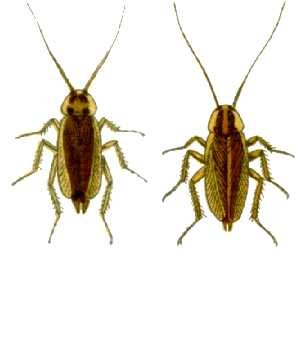
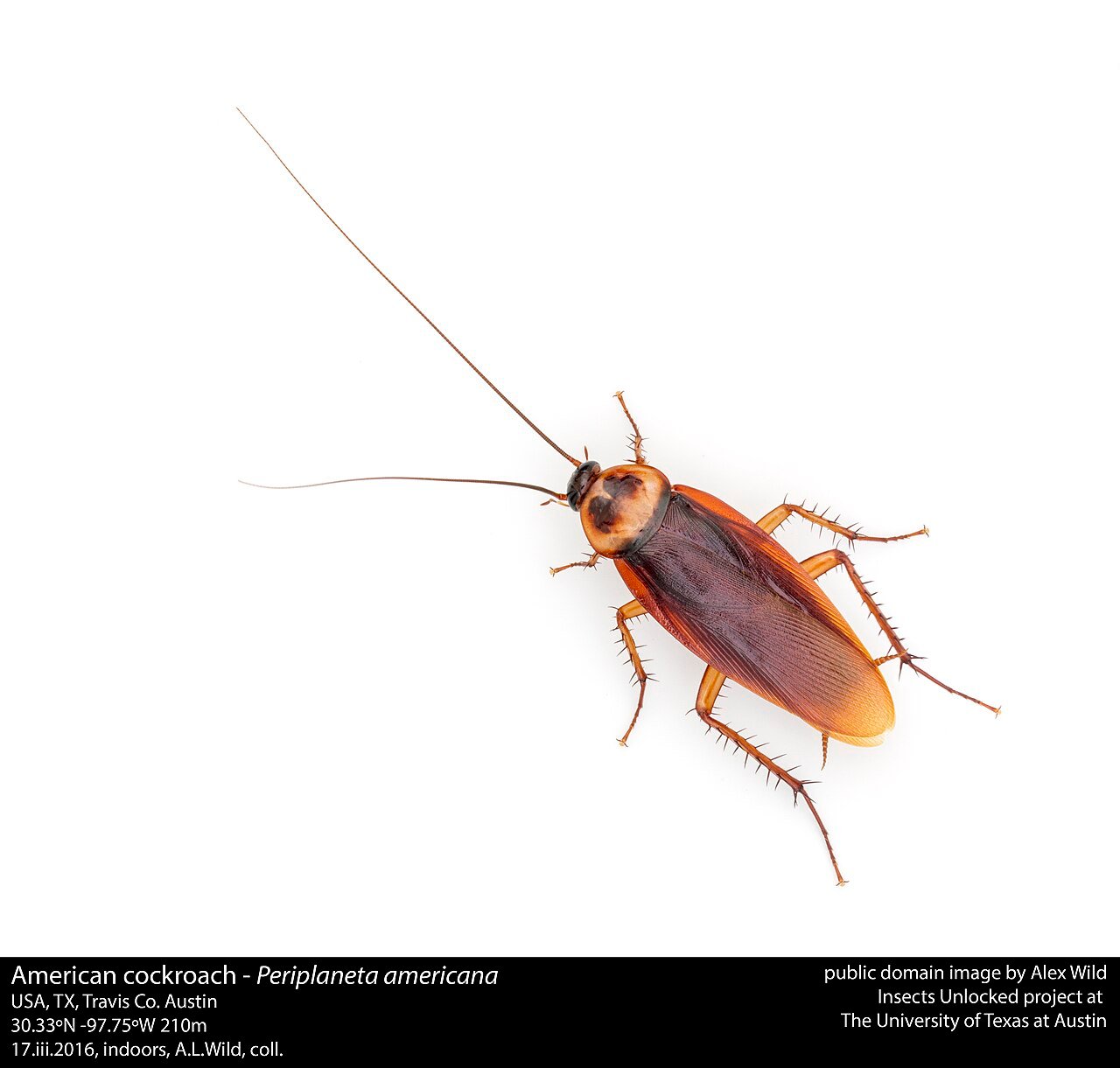
The routine we teach every dealer and serious buyer: unbox in the receiving area, never the showroom — and break down the cardboard immediately, out of the building. Flashlight the cased pieces at the classic harborages: drawer cavities and runners, the void behind a back panel, the base plinth, hinge mortises. Know the evidence — live insects, pepper-grain droppings in corners, and the purse-shaped egg cases (oõtheca) glued into crevices, which are the find that matters most, because one overlooked case is thirty roaches on a timer. Kitchen and appliance lots get the strictest read: gasket lines, motor housings, and box corners. Anything suspicious quarantines in a sealed tote with a monitor trap for two weeks — cheap, decisive, and showroom-safe. Fifteen minutes per lot, and the choke point closes.
The Rest of the Town’s File
- Dealer programs: monitor lines in stockrooms and receiving areas read monthly — the trend-line early warning that catches a missed introduction at insect three instead of generation three
- Main Street food service: the cafés and eateries serving the antiques crowd run standard monitor-and-bait programs with documented logbooks — small kitchens, same standards
- Festival vendors: the October crowds bring the concession circuit to town, and stored rigs get the off-season strip-down and winter-monitor protocol
- Residential verdicts: detached-housing honesty — June wood roaches off the valley’s trees acquitted free by photo, and genuine carried-in cases cleared in a single course, import route audited, no subscription attached
The framing that fits this town best: provenance. Waynesville’s whole trade runs on knowing where things came from and what they carry — the dock check simply extends provenance to the six-legged question, and a dealer who can say “everything in this room passed intake” is selling the same assurance the trade already sells. The village’s full pest file lives on our Waynesville service page.
Close the Choke Point
One visit sets up your dock: the intake routine taught to staff, monitor lines placed and scheduled, and the quarantine protocol that keeps one bad lot from touring the showroom. Households: the photo verdict stays free, and the acquittal is still the most common outcome in town.
Frequently asked questions
Can antiques really carry cockroaches?
Cased furniture, cardboard, and kitchen lots from unknown households are the species’ three favorite vehicles — drawer cavities, corrugated flutes, and appliance gaskets shelter insects and egg cases both. The trade’s inbound stream is Waynesville’s one genuine vector, which is why intake is the whole game.
What should the intake check actually look for?
Live insects, pepper-grain droppings in corners and cavities, and — most important — the purse-shaped egg cases glued into crevices: one overlooked oõtheca is thirty roaches on a timer. Drawer runners, back-panel voids, base plinths, hinge mortises, gasket lines. Fifteen minutes per lot.
What do we do with a suspicious piece?
Quarantine, not panic: sealed tote (or wrapped and isolated for large pieces) with a monitor trap for two weeks in the receiving area. Cheap and decisive — a clean monitor clears the piece for the showroom; a catch triggers targeted treatment before anything spreads.
Why break down cardboard immediately?
Corrugated flutes are purpose-built roach shelter and the egg case’s favorite nursery — stacked boxes in a stockroom are standing habitat. Goods in, cardboard out of the building same day: the single highest-value rule on the dock.
Could a stockroom problem reach my house through a purchase?
That’s the circulation loop the dock check exists to break — dealer to buyer to re-consignment can tour one missed introduction around town for years. Buyers can run the same check at home: the fifteen-minute routine works in a garage as well as a receiving room.
I found a roach in my Waynesville house — how worried should I be?
Verdict before worry: single June sightings near lights are wood roaches off the valley trees — outdoor species, can’t infest, acquitted free by photo. Multiples in the kitchen is the real file, and in detached housing caught early it clears in one course with the import route audited.
Do the cafés and festival vendors get the same service?
Same standards, sized to fit: monitor-and-bait programs with logbooks for the Main Street kitchens, and the concession protocol — off-season strip-down, winter monitors in stored rigs — for the festival circuit’s equipment.
What does cockroach control cost in Waynesville?
Dealer dock setups are priced as the one-visit training-and-monitoring install they are; stockroom programs run monthly by square footage; and residential stays simple — free verdicts, flat single-course pricing when a case is real, no subscriptions sold to problems that won’t recur.