
“When do mosquitoes go away?” gets typed from Ohio porches every August with a very specific longing behind it — and the answer has a date, a mechanism, and a set of asterisks worth knowing. The date: the first hard frost, which lands in southwest Ohio most years between mid-October and early November, ends the biting season with a finality no product matches. The mechanism: mosquito flight, feeding, and breeding are temperature-gated long before the killing cold arrives, so the season fades in stages you can track on any thermometer. The asterisks: one local species overwinters as adults in your outbuildings, warm autumns extend the tail, and the season’s END is also its most strategic moment — what you do in October writes next May’s mosquito population. This page runs the whole calendar: the shutdown stages, the frost finish line, where mosquitoes actually GO (they do not all die — the overwintering biology is half the story), and the end-of-season checklist that shrinks next year.
The shutdown, stage by stage
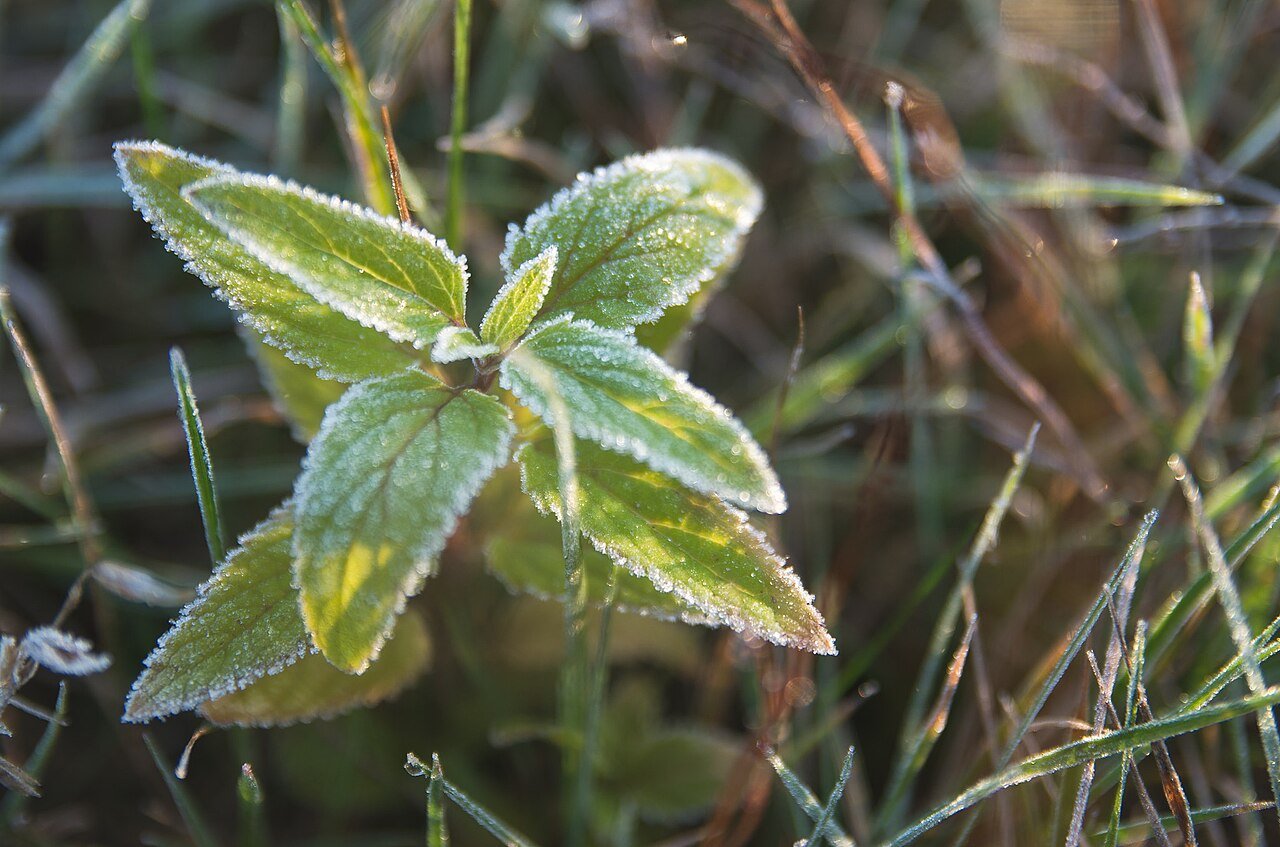
Mosquito season ends on a dimmer, not a switch. Stage one, the 60-degree gate (September): mosquito flight and host-seeking degrade sharply below the low 60s — evening biting retreats to the warm afternoons, and the nightly porch tax drops to occasional. Stage two, the 50-degree stall (late September–October): below roughly 50°F, most species stop flying and feeding altogether; activity compresses into warm midday windows, breeding water goes quiet, and the diapause signals (shortening days more than temperature) push each species toward its overwintering program. Stage three, the first frost (mid-October–early November): a light frost kills exposed adults wholesale; stage four, the hard freeze: a night in the mid-20s finishes the stragglers and closes the season formally — after which any “mosquito” sighting is either an overwintering Culex disturbed from shelter (below) or a crane fly wearing the accusation (the mosquito-hawk page’s standing acquittal). The practical translation: relief begins in September, arrives substantially by early October, and completes at frost — with warm autumns stretching each stage and the record-keeping simple: the porch is quiet two weeks before the thermometer says why.
The October move is emptying whatever holds water, because that decides next May. See mosquito control.
Where they actually go: the three overwintering programs
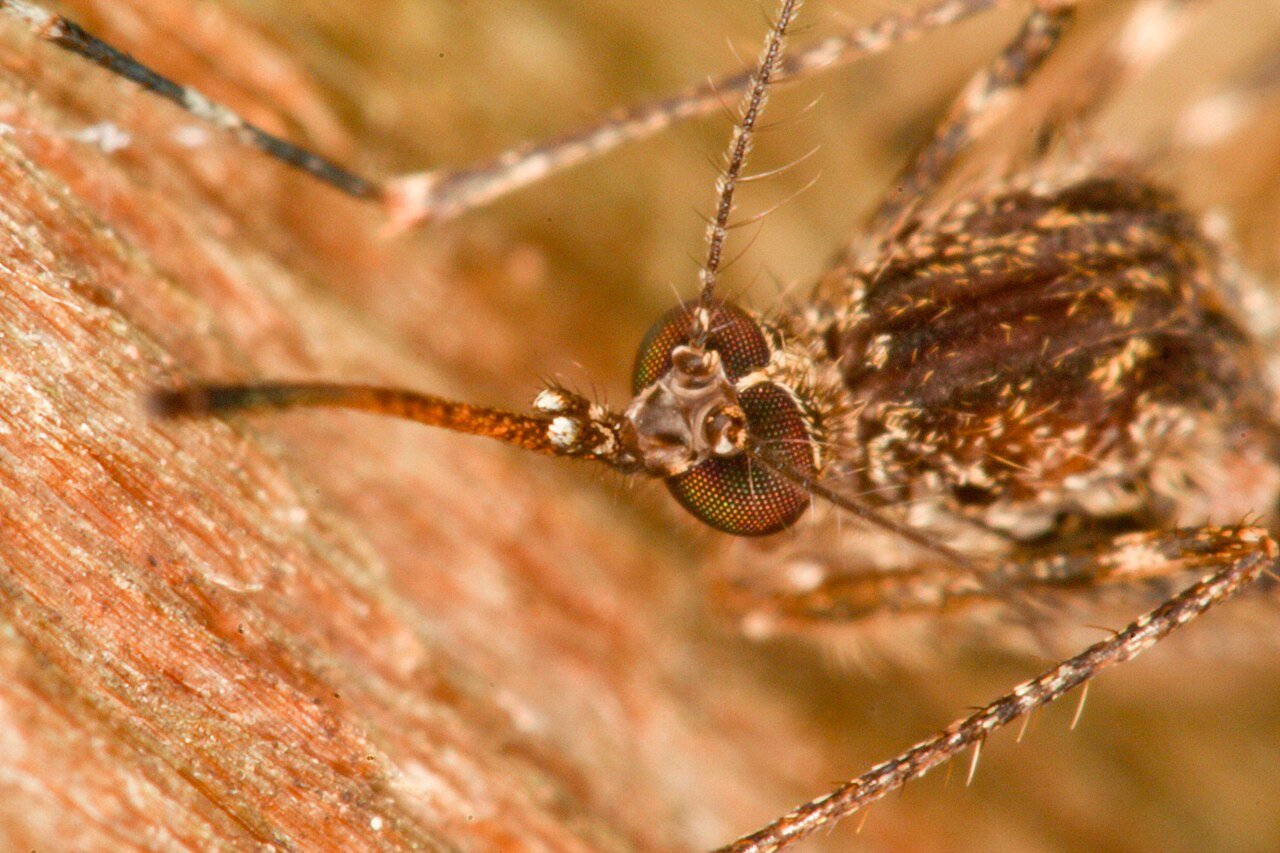
“Go away” is generous — Ohio’s mosquitoes run three distinct winter strategies, and knowing which is which explains every off-season sighting and half the prevention calendar. Program one, adult diapause (the Culex strategy): the northern house mosquito — the West Nile species — overwinters as MATED FEMALES: fattened on late-season nectar, they shelter in protected structures (crawlspaces, garages, sheds, culverts, basements) in a hormonal standby that lasts until spring, neither feeding nor breeding. The January “mosquito in the garage” is one of these — sluggish, harmless until spring, and the sighting that proves the season never fully ends, it just hibernates. Program two, the egg bank (the Aedes strategy): tiger and floodwater mosquitoes die entirely as adults but leave FROST-PROOF EGGS — the tiger’s glued inside dry containers awaiting spring’s first flooding, the floodwater species’ banked in soil depressions by the million; the eggs ARE next year’s population, sitting in your gutters and buckets all winter. Program three, larval endurance: a few species idle as cold-torpid larvae under ice in permanent water. The strategic upshot: killing frost erases the ADULTS while leaving both the sheltered females and the egg bank fully intact — which is exactly why the end-of-season checklist below outranks any amount of October swatting.
The October move: the checklist that shrinks next May
- The container purge, dry-season edition: every bucket, saucer, tarp fold, and toy emptied, scrubbed (tiger eggs glue to container walls above the waterline — the scrub matters more than the dump), and stored inverted; each cleaned container cancels a spring hatch.
- The gutter finale: the post-leaf-drop cleaning doubles as mosquito prevention — leaf-packed gutters are the region’s premier egg-bank and first-brood nursery.
- The shelter sweep: overwintering Culex females favor your outbuildings — screening crawlspace vents, sealing shed gaps, and the garage tidy-up evicts the diapause population before it beds down (the same seams as the fall-invader program; one pass serves both).
- Rain barrel and cistern close-down: drained or tight-screened for winter; the half-full barrel is both an egg bank and an early-spring nursery.
- The low-spot ledger: note where fall rain ponds — those depressions are floodwater egg territory, and filling or draining them in the dry season is next summer’s cheapest treatment.
- The plan note: season service properly ENDS at frost — any company still spraying barriers in November is treating your invoice; ours closes the season with this checklist instead, and the spring restart lands ahead of the first hatch.
The bottom line
Ohio’s mosquitoes go away on the thermometer’s schedule: fading through the 60s and 50s in September, collapsing at first frost in mid-to-late October, finished by the hard freeze — every year, without appeal. But “away” means adults only: mated Culex females sleep in your outbuildings, tiger and floodwater eggs bank in your containers and low spots, and the whole system reboots from exactly those reserves each May. Which converts the season’s end into its best strategic window — the October checklist above removes next year’s starting capital at zero product cost, the frost does the rest free of charge, and the spring program restarts against a smaller enemy: (937) 569-3330 for the season close-down or the May reopening, whichever the calendar calls for next.
When do they come BACK? The spring reboot, previewed
The question’s mirror deserves its answer while we are here. The reboot runs the shutdown in reverse with a lag: overwintered Culex females wake first — sustained 50-degree days in late March and April rouse the diapause population from your outbuildings for a nectar meal and the year’s first egg rafts on whatever standing water survived winter (the reason April’s container patrol matters more than July’s); the egg banks hatch second — the first warm rains of April and May flood the tiger’s containers and the floodwater depressions, and the season’s first mass brood follows within two weeks; and the first biting wave lands reliably by mid-May, building through June to the July–September peak the whole mosquito wing documents. The homeowner’s calendar marker: the year’s FIRST mosquito bite traces to reserves that overwintered on someone’s property — the October checklist’s entire argument, run forward. And the service calendar mirrors it: our season programs open ahead of the first hatch (April barrier-and-audit starts book in March), because the cheapest mosquito of the year is the one intercepted before her first eggs, in a container that should have been scrubbed last fall.
The eight-county frost report
The shutdown’s local texture: frost dates run a week-plus earlier in the rural counties — Preble and Miami’s open ground frosts ahead of Dayton’s urban heat island, ending their seasons first (the farm counties’ porches go quiet while Oakwood’s tigers work another warm week); the river corridors — Franklin, Miamisburg, the Great Miami towns — carry the longest tails, valley humidity and floodwater habitat sustaining late broods into October; and the urban cores keep the region’s largest overwintering Culex populations, courtesy of abundant structures, storm drains, and that same heat island. Every county shares the finish line’s certainty and the checklist’s leverage — and the annual phone-line rhythm confirms it: mosquito calls collapse within days of each county’s first real frost, replaced immediately by the fall-invader wave the September pages saw coming. One season ends, the next files in; the calendar, as ever, runs the whole show.
Frequently asked questions
When do mosquitoes go away in Ohio?
On the frost schedule: activity fades through September’s cooling evenings, collapses below 50°F, and ends at the first hard frost — mid-October to early November in southwest Ohio most years. Warm autumns stretch the tail; the hard freeze closes it without appeal.
What temperature kills mosquitoes?
Flight and feeding fail below roughly 50°F, light frost kills exposed adults wholesale, and a hard freeze in the mid-20s finishes the season. But cold only erases ADULTS — sheltered overwintering females and frost-proof egg banks survive every winter intact.
Do mosquitoes die in the winter or hibernate?
Both, by species: tiger and floodwater mosquitoes die as adults but bank frost-proof eggs in containers and soil; the northern house mosquito (Culex) overwinters as mated females in diapause — sheltering in garages, crawlspaces, and sheds until spring. “Away” is really “in reserve.”
Why is there a mosquito in my house in winter?
Usually an overwintering Culex female disturbed from a garage, basement, or crawlspace shelter — sluggish, not feeding, and harmless until spring — or a crane fly misidentified (the giant “mosquito” at the window is the mosquito-hawk page’s client). Neither signals a breeding problem.
When does mosquito season start again in Ohio?
Overwintered females wake on sustained 50-degree days in late March–April, egg banks hatch with the first warm flooding rains, and the first biting wave lands by mid-May — building to the July–September peak. April’s container patrol intercepts the reboot at its cheapest.
Does a warm fall mean mosquitoes stay longer?
Yes — every shutdown stage is temperature-gated, so Indian-summer stretches extend biting into late October, and the river corridors carry the longest tails. The finish line moves; its certainty never does.
Should I still treat for mosquitoes in October?
Barrier spraying, no — the season is ending itself, and November applications treat invoices. October’s honest work is the close-down checklist: container scrubs, gutter finale, shelter sealing, barrel drain-down — the zero-product moves that shrink next May.
Why do I stop getting bitten before frost arrives?
The 50-degree stall — host-seeking quits weeks before killing cold, compressing activity into warm middays and then nothing. The porch goes quiet in early October most years; the frost just makes it official.
Where do mosquito eggs survive the winter?
In your infrastructure: tiger eggs glued inside dry containers above old waterlines (surviving freezing for months), floodwater eggs banked in soil depressions, both waiting on spring flooding. The October scrub-and-store routine is literally next summer’s population control.
When should I book next season’s mosquito service?
March — season programs open ahead of the first April hatch, and the audit-plus-barrier start intercepts overwintered females before their first eggs: (937) 569-3330. The close-down consult in October and the reopening in spring bracket the whole biting year.
The last-bite forecast: reading your own season’s end
For the calendar-watchers, the home forecasting kit — three signals that date YOUR yard’s finish line better than any regional average. The dusk test: when the 7 p.m. patio sit stops costing bites two evenings running, stage one has arrived — typically the second week of September; the remaining risk compresses into warm afternoons. The 50-degree night count: after the third night below 50, biting activity rarely recovers meaningfully — the stall is in, and the season is functionally over even before frost (mark it on the calendar; it predicts within days year over year). The frost confirmation: the first morning your car windshield needs scraping, the exposed adult population ended overnight — and the season’s books close pending only the outbuilding sleepers and the egg banks the checklist addresses. Track the three dates for two autumns and your property owns a private mosquito almanac — useful for scheduling the last cookout, the close-down checklist, and the quiet satisfaction of watching the season end on your own instruments. The porch knows before the forecast does; this page just teaches it to say so out loud.
Season faded, frost confirmed, reserves raided, almanac started — the year’s most-wished-for pest departure, fully scheduled and slightly accelerated. The mosquitoes go away when the thermometer says so; next year’s go away a little earlier every October you run the checklist. Enjoy the quiet porch — it was always coming, and now you know the date.
And when the first May bite eventually files its appeal, the whole mosquito wing stands ready one link away — the diet, the tigers, the season program, and the audit that meets the reboot at the container’s edge, where it always starts.
First frost wins again — it always does. See you in May.
Quiet porches to all.
And warm ones, mosquito-free.