
“Spider bite” is the most over-issued diagnosis in home dermatology. The itchy welt discovered at dawn, the red bump on the ankle, the sore spot that swelled overnight in the bedroom — all get the spider verdict daily, and the actual conviction rate is startling: studies that trace “spider bites” to confirmed spiders land in the single digits percentage-wise, with the rest belonging to other insects, infections (MRSA above all), and skin conditions that never involved anything with legs. This page is the honest workup: what a genuine spider bite actually looks like and when it happens, the two Ohio species whose bites carry real medical weight, the acquittal files for the accused regulars, the impostor lineup that causes most of the confusion, and the treatment-and-escalation card that turns 2 a.m. worry into a checklist. The punchline up front: in southwest Ohio, the bite on your arm is almost certainly not a spider — and working out what it actually is matters more than the folklore.
What a real spider bite looks like (and how rarely it happens)
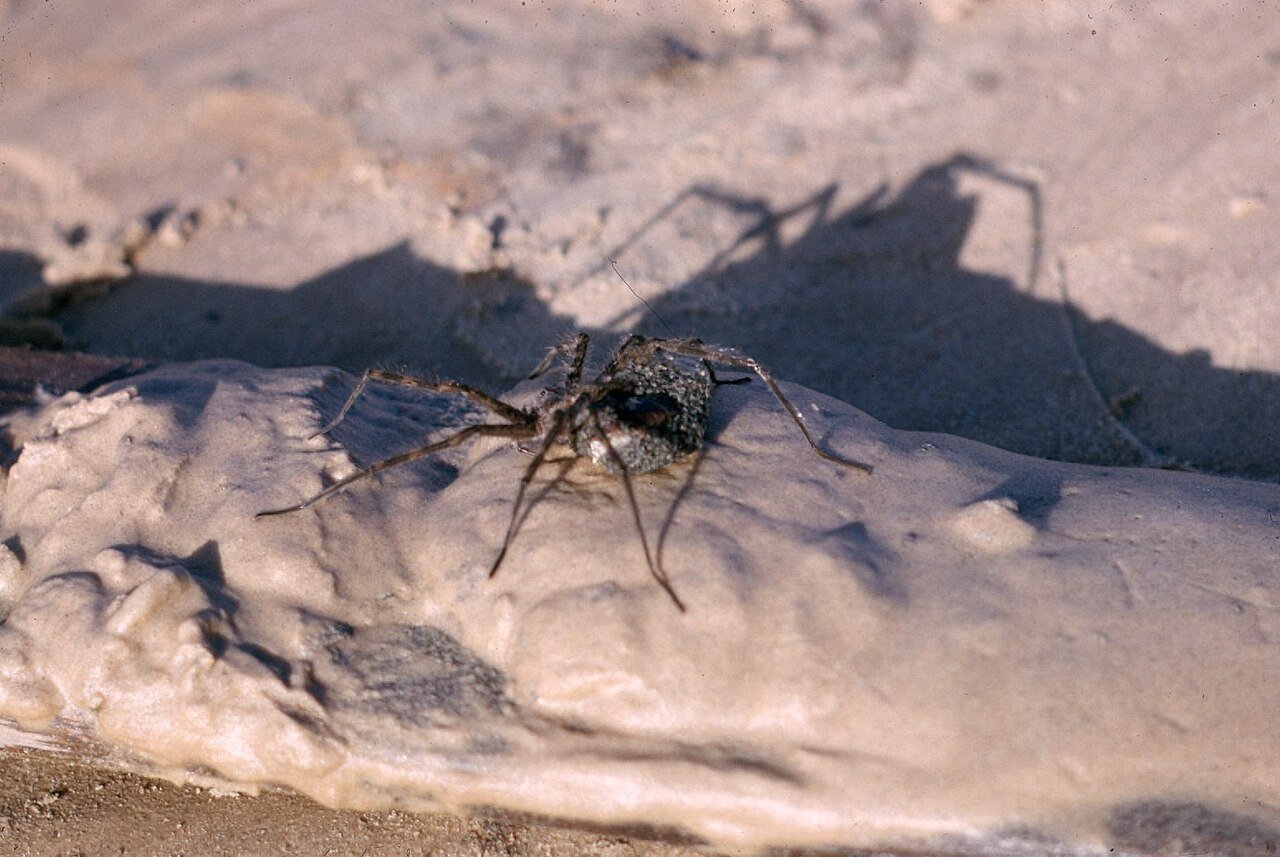
Genuine spider bites share a profile: a single puncture-point lesion (spiders bite once defensively, never in feeding lines or clusters), felt at the moment it happens more often than not (a sharp pinprick during the trapped-against-skin event that causes nearly all real bites), with modest local redness and swelling resolving over days, and — crucially — a spider in evidence: in the shirt being pulled on, the glove, the woodpile, the sheets. The circumstance is the tell: spiders bite when pressed against skin — clothing, bedding, and barehanded reaches into harborage — not while wandering across sleepers. Multiple bites, bite lines, clusters, or recurring new bites over days each argue AGAINST spiders and for the impostor lineup below. Ohio’s common household spiders — wolf, cellar, house, jumping, grass — can technically bite when handled; the results rate at-or-below bee-sting grade and heal unremarkably. Which leaves exactly two local names worth a medical paragraph.
Most suspected spider bites turn out to be something else entirely. Reducing the spiders regardless is spider control in Dayton.
The two that matter: widow and recluse, honestly framed
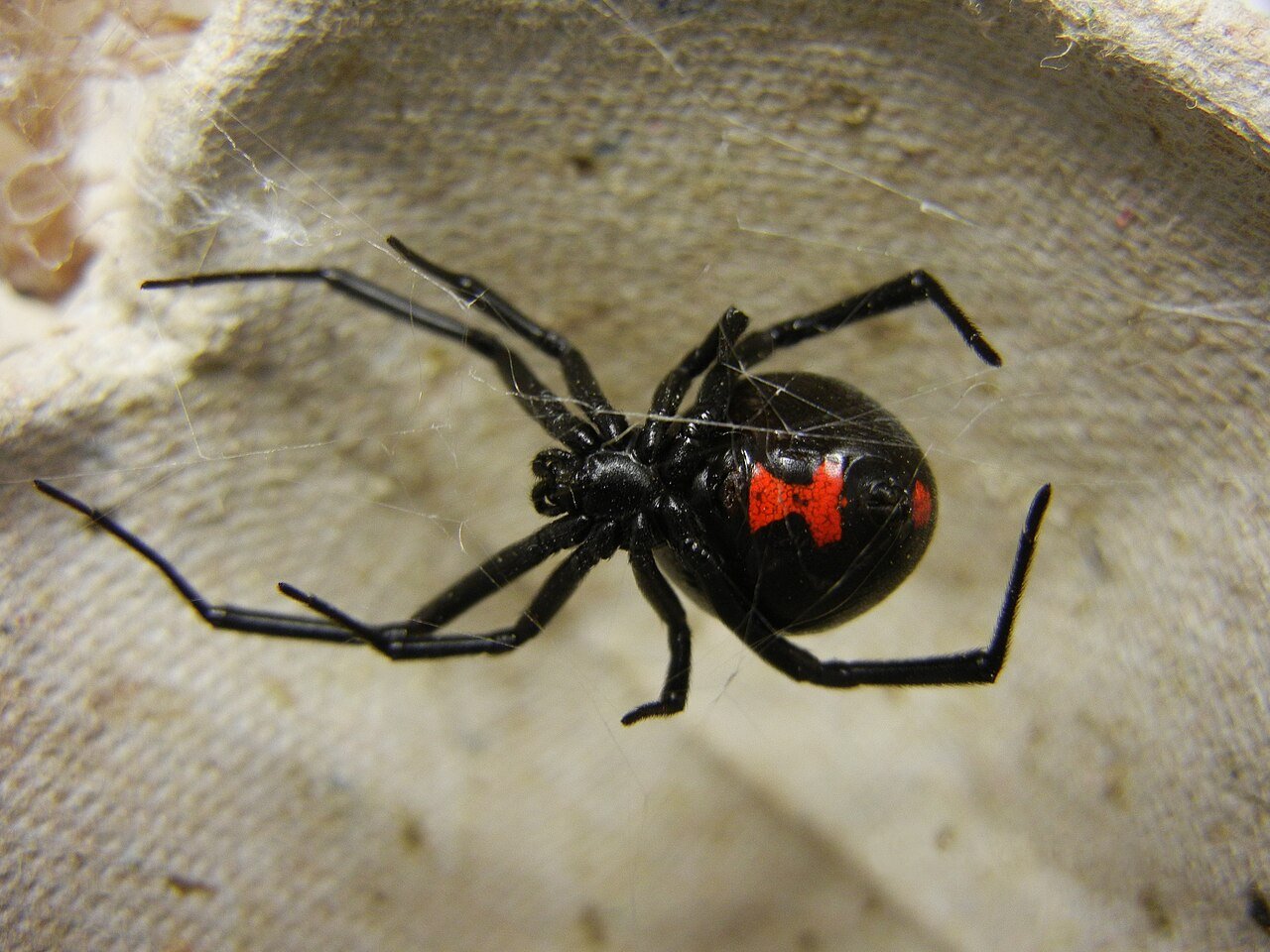
Black widow (uncommon in Ohio; undisturbed outdoor-adjacent storage): the bite is a pinprick followed over 30–120 minutes by the real signature — spreading muscle pain and cramping (abdomen and back classically), sweating, and malaise; the bite site itself often stays deceptively minor. That systemic pattern is a call-the-doctor-now event — treatable, very rarely dangerous with care, and essentially never the mystery bump found days later. Brown recluse (rare in Ohio — a fraction of reports survive verification): most confirmed bites heal blandly; the notorious minority develop over days — deepening purple-blue center, blistering, and a slowly expanding necrotic patch. The critical honesty: necrotic wounds have a long differential (MRSA leads it), recluse bites are wildly over-diagnosed nationally in places the spider barely exists, and a “recluse bite” without a captured spider deserves a culture before a conviction. Both files reward the same habit this library keeps teaching: catch or photograph the spider — jar over it, card underneath — because the specimen converts guesswork into treatment.
The impostor lineup: what “spider bites” usually are
- MRSA and other skin infections — the number-one masquerader in medicine: a painful, swelling, sometimes blistering boil that patients and clinicians alike reflexively call a spider bite. Heat, rapid growth, and pus mean culture-and-antibiotics, not entomology. This single confusion causes real treatment delays; it is the most important line on this page.
- Bed bug bites — overnight lines and clusters on sleep-exposed skin plus mattress-seam evidence; the “bedroom spider bites” of a thousand searches are this file far more often than any spider. Our bed bug pages run the workup.
- Flea bites — ankle-height clusters with dark centers after walking an infested room; the white-sock test convicts in ten minutes.
- Chiggers — ferocious welt clusters at sock lines and waistbands a half-day after tall grass; invisible culprit, unmistakable geography.
- Mosquitoes, biting gnats, mites — exposed-skin singles and scatters, each with its own page here.
- Non-bites entirely: ingrown hairs, folliculitis, shingles’ early sting, allergic hives, and vasculitis all wear the spider costume in exam rooms weekly. Two-plus lesions, no spider, or steady worsening past 48 hours = medical differential, not pest control.
Treatment and the escalation card
For the ordinary confirmed-or-suspected bite: wash with soap and water (every bite’s real infection risk is scratched-in bacteria), cold compress ten minutes at a time, hydrocortisone or oral antihistamine for itch, elevation for puffy limbs — and photograph daily beside a coin, because the growth trend answers questions no single look can. Escalate to same-day medical care for: spreading muscle cramps or sweating after any bite (the widow pattern), a center turning dusky purple or blistering over days (the necrotic differential — bring the photos), heat-swelling-pus or red streaking (infection), any systemic symptoms (fever, malaise), bites on young children with worsening local reactions, or a captured widow/recluse regardless of early symptoms. Skip entirely: folk poultices, suction devices, and ice-to-skin marathons — and the internet’s necrosis photo galleries, which are overwhelmingly MRSA cases mislabeled by their own captions.
Prevention: the two-minute habits that end real spider bites
Since nearly all genuine bites are trapped-against-skin events, prevention is compression-point hygiene: shake out shoes, gloves, and clothing that sat in garages, basements, or outdoors; gloves for storage-zone reaches — the boxes, woodpiles, and meter boxes where widows actually live (the standing rule from our venomous-spiders guide); bedding discipline in storage-adjacent rooms — comforters off the floor, beds pulled from walls in basements; and the cup-and-card removal habit that keeps hands off every spider, harmless or not. Layer the household program — the de-web-and-sac sweeps, dehumidifier doctrine, and prey-base management of our main spider guide — and the encounter rate that drives bite risk drops with the population. The full acquittal files for the species you will actually meet live on the wolf spider, jumping spider, and common-spiders pages; the careful-species protocols on the venomous guide; and the free photo ID line answers the “what just bit me” question with evidence instead of folklore: (937) 569-3330.
The bedroom-bites investigation (the search that brings most readers here)
Waking with bites and blaming the bedroom’s spiders is the classic sequence — and almost always backwards. The case against the spider: house spiders have no interest in sleeping humans (we are terrain, not prey), bite only when compressed, and could not produce the repeating multi-bite mornings people report; a spider trapped in bedding bites once in panic, not nightly on schedule. The actual bedroom differential, in order: bed bugs (lines and clusters on sleep-exposed arms, shoulders, neck; the mattress-seam flashlight inspection is the verdict — spotting, shed skins, or the bugs settle it); flea overflow in pet households (check the pet’s bedding and run the sock test); bird or rodent mites when a nest or infestation history exists (bites without any seam evidence, often post-extermination); and the no-arthropod file — dry-air winter itch, detergent dermatitis, and stress hives, which produce more “bedroom bites” than every bug combined. The one-week protocol: seam inspection night one, interceptor cups under bed legs, hot-wash the bedding, sock-test the room, and photograph the bites daily. Evidence appears fast when arthropods are real — and when a week of instrumentation finds nothing, the answer is a dermatologist, not a spray, and certainly not the cellar spider in the corner who has been catching gnats on your behalf all along.
The eight-county bite file
Local pattern notes from the call log: widow-suspect calls cluster where undisturbed storage meets outdoor adjacency — Preble and Miami county barns and sheds, older Dayton and Kettering garages, meter boxes everywhere (nearly all resolve as false alarms; the rare confirmations get the priority protocol). Recluse reports run heaviest from basement-heavy older stock in Dayton, Oakwood, and the county seats — and acquit at the highest rate of any call we take, with grass spiders and funnel weavers wearing the violin-shaped blame. Bedroom-bite investigations track multifamily density: Fairborn’s turnover season, downtown’s shared-wall buildings, and the region’s perennial bed bug pressure supply the real answers. And every township’s summer produces the chigger-and-gnat welt clusters that spiders take the fall for. The pattern behind the pattern: the spider is the suspect people can see, and the culprit almost never is — which is exactly why the evidence habit wins.
Species bite files, quick reference
Wolf spider: handled-only, bee-sting-grade, brief — and rare even then, since flight is their whole policy. Jumping spider: a provoked pinprick below bee-sting grade; their vision means they dodge hands rather than meet them. Cellar and house spiders: fangs that struggle to break skin at all — the “deadly daddy longlegs” myth stays retired on their page. Grass and funnel weavers: the recluse’s most-blamed stand-ins; handled bites are minor, banded legs are the acquittal. Orb weavers: garden giants with no interest and no record; relocate the web line, not the spider. Yellow sac spider — the one worth a footnote: a pale wanderer whose defensive bites (trapped in clothing, classically) sting sharper than most and occasionally blister locally; uncomfortable, self-resolving, and the likeliest true culprit in the rare confirmed Ohio bedroom bite. None of the above changes the page’s arithmetic: the confirmed-spider share of “spider bites” stays tiny, and the two medical names stay the only two.
The whole file in one line: single lesion plus captured spider = probably a bite worth watching; anything else = run the impostor lineup first — and either way, wash it, photograph it, and let evidence outrank folklore.
Frequently asked questions
What does a spider bite look like?
A single puncture-point lesion with modest redness and swelling, usually felt when it happens (a trapped-against-skin pinprick), healing over days. Lines, clusters, multiple bites, or recurring new lesions argue against spiders entirely — that pattern belongs to bed bugs, fleas, chiggers, or non-bite conditions.
How do I know if a spider bite is serious?
Two patterns matter: spreading muscle pain, cramping, and sweating within hours (the black widow signature — call a doctor now), or a center turning purple-blue and blistering over DAYS (the necrotic differential — medical visit with daily photos in hand). Everything else is wash, compress, and watch.
What bit me in my sleep if not a spider?
Run the bedroom differential: bed bugs first (seam evidence, overnight lines on exposed skin), then fleas (pet households, ankle clusters), rodent or bird mites (nest history), and the no-bug file (dry-air itch, dermatitis, hives) that produces more “bedroom bites” than every arthropod combined. Spiders bite compressed, once — never nightly on schedule.
Are spider bites common?
Genuinely rare — studies tracing “spider bites” to actual spiders confirm single-digit percentages. Most diagnosed spider bites are skin infections (MRSA leads), other insects’ work, or dermatologic conditions. The spider is the visible suspect; it is almost never the culprit.
What is the deadliest spider in Ohio?
By venom, the black widow — uncommon, storage-dwelling, and responsible for essentially zero modern fatalities with medical care available. The brown recluse (rare here) carries the necrotic file. Every other Ohio spider rates at or below a bee sting, most far below.
Should I go to the ER for a spider bite?
Same-day care for: systemic symptoms (cramping, sweating, fever), rapidly spreading redness or red streaking, blistering or darkening centers, significant reactions in young children, or a captured widow or recluse. The routine single bump takes home care and a watchful 48 hours instead.
Do Ohio house spiders bite people?
Only when trapped against skin — the shirt being pulled on, the shoe, the glove — and the results are minor and brief. Wandering spiders do not bite sleeping or sitting humans; we are landscape to them, not food.
What can be mistaken for a spider bite?
The lineup: MRSA and boils (the big one), bed bug and flea work, chigger welts, ingrown hairs and folliculitis, shingles’ early lesions, and allergic hives. Two-plus lesions or steady worsening past 48 hours means medical differential, not pest control.
How do you treat a spider bite at home?
Soap-and-water wash, ten-minute cold compresses, hydrocortisone or an oral antihistamine for itch, elevation for limbs — and a daily photo beside a coin, since the growth trend is the diagnostic. Skip poultices, suction gadgets, and the internet’s mislabeled necrosis galleries.
Should I kill the spider that bit me?
Capture beats kill: jar over it, card under, lid on — an intact specimen (even a squished one in a bag) converts every medical conversation from guesswork to identification. Photo to us works too, free and same-day: (937) 569-3330.
About Those Spider Bite Pictures
A word about the image searches that probably brought some readers here: the “spider bite pictures” filling the internet are among the least reliable diagnostic tools in home medicine. Most dramatic wound photos labeled as spider bites are actually staph and MRSA infections, and even genuine bite photos capture single moments from wildly variable courses — the same verified recluse bite can photograph as nothing at hour six and as the internet’s nightmare at day five. What pictures CAN’T show is the one thing that confirms a spider bite: the spider. That’s why the working rule on this page is specimen-first — jar the spider, photograph IT (not just the wound), and let the eight-legged evidence drive the diagnosis. If you need comparison images that won’t mislead you, image-search the SPIDERS (brown recluse violin mark, black widow hourglass) rather than the wounds — and match your specimen, not your skin, to what you find.